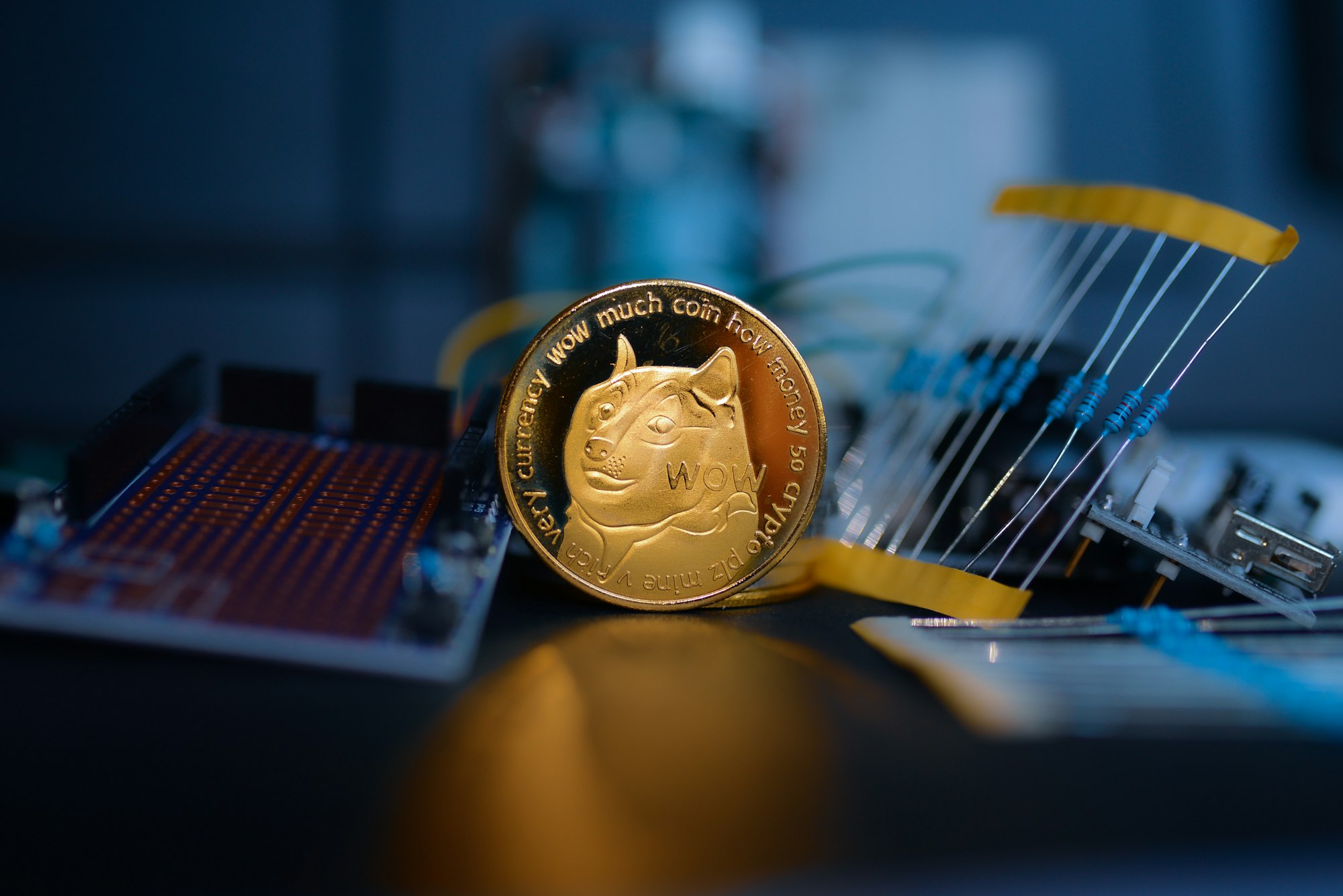



- Memecoins began as jokes, but Dogecoin showed that internet culture and strong communities can turn a simple idea into a real crypto asset.
- Social media drives most memecoin growth, helping prices rise fast through hype but also making them highly risky when excitement fades.
- Memecoins have helped bring many new users into crypto and are now slowly evolving as some projects try to move beyond pure jokes.
Cryptocurrency began in 2009 with Bitcoin, which was designed to be digital money independent of banks and governments. At first, people took crypto very seriously. It was about new technology and new finance. But then something unexpected happened, people began to create coins just for fun. These coins were based on internet jokes called memes. What started as fun soon became a big part of crypto culture.
The story of memecoins began in December 2013 with a coin called Dogecoin. Dogecoin was created by Billy Markus and Jackson Palmer. They took a popular internet meme of a happy Shiba Inu dog and turned it into a coin. At first, Dogecoin was meant to be funny. The creators did not plan for it to be big. It was a joke that became real money that people could trade online.
But even though Dogecoin was a joke, people began to pay attention. The internet liked it because it was fun and different. Dogecoin was not serious like Bitcoin or Ethereum. But the community around Dogecoin grew fast. People talked about it on forums, social media, and Bitcoin chat rooms. This was the first time a memecoin caught real attention in the crypto world.
As Dogecoin grew, its community became one of its strongest features. Dogecoin holders did more than just trade the coin; they used it to help people and support causes. In 2014, the Dogecoin community raised funds to help the Jamaican bobsled team go to the Winter Olympics. They also raised money to build water wells in Kenya. These acts showed that a memecoin community could do good things, even though the coin started as a joke.
This part of Dogecoin’s story showed that memecoins were more than just funny pictures. They could bring people together and make a real impact. People started to see memecoins as something that could be creative, social, and even helpful.
 Partner Content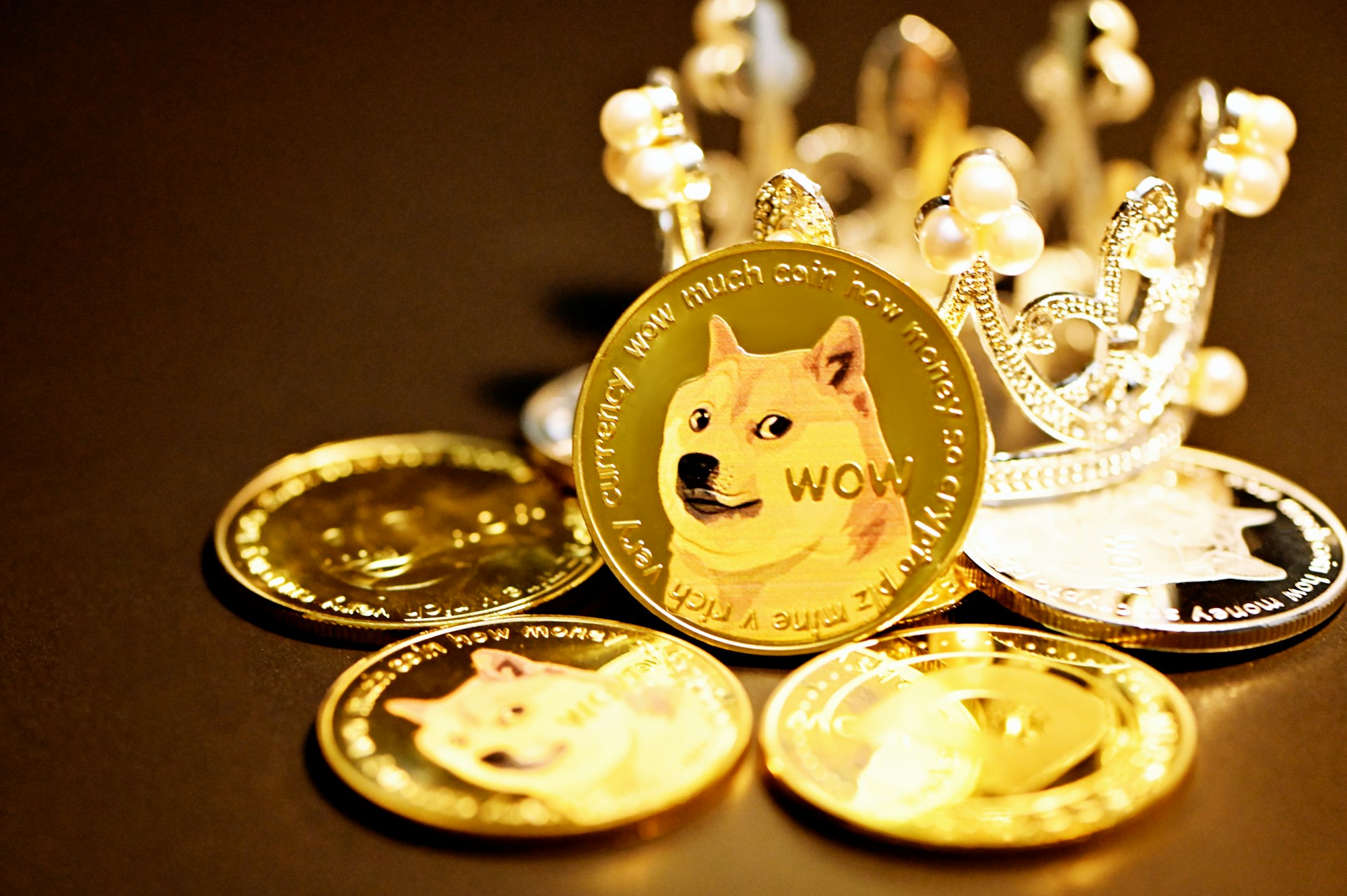
New Memecoins and the Internet Culture
After Dogecoin became known, many other memecoins appeared. The idea spread because making coins on networks like Ethereum became easier. Ethereum allowed people to create their own tokens without great technical skills. This led to many coins inspired by memes, internet jokes, and pop culture. Sometimes the names were silly, but people still traded them. These coins grew because communities formed around them on social media, chat groups, and online forums.
One memecoin that stood out was Shiba Inu (SHIB), launched in 2020. It used the same dog theme as Dogecoin, but it worked on the Ethereum network. SHIB called itself the “Dogecoin killer” because many people thought it could be even bigger than Dogecoin. Its community was called the Shib Army, and it pushed the coin into the spotlight. Large donations, social sharing, and constant online talk made SHIB’s value grow fast. Unlike early Dogecoin, SHIB also introduced tools like a decentralized exchange, which meant the coin had more uses within its own system.

By the early 2020s, memecoins were no longer rare. Thousands of new memecoins appeared, and many of them were based on jokes, animals, internet characters, or viral trends. Tokens like PEPE, inspired by the popular frog meme, gained massive attention. In 2023 and 2024, some memecoins reached huge market values, with people trading them, holding them, and talking about them daily on social media.
This growth was driven by communities, online hype, and sometimes celebrity mentions. Many people bought memecoins not because they believed in technology or real use cases, but because of social excitement. Memecoins became a part of internet culture, where memes and money mixed. Exchanges started listing these tokens more often, making it easier for everyday users to buy and sell them.
 David Adubiina
The Role of Social Media and Online Communities
Social media played a huge role in memecoin growth. Platforms like X, Reddit, and TikTok made it fast for news and hype to spread. Memecoin prices often moved because thousands of people talked about them online. Viral posts could make a coin rise in value overnight. Online communities formed groups that encouraged one another and shared memes, predictions, and strategies.
At the same time, social media also increases risk. Dogecoin saw massive hype in 2021 after being promoted heavily on X and Reddit, which pushed the price up very fast before it later dropped sharply and caused losses for many late buyers. Another clear example is the Squid Game token, which used the popularity of the Netflix show to attract attention.
The token’s price rose quickly because of online hype, but the creators suddenly disappeared with the funds, leaving investors unable to sell. These cases showed that memecoins can be fun and popular, but they can also be extremely risky when hype replaces real value.
David Adubiina
Why Memecoins Matter
Memecoins may not have serious financial tools like Bitcoin or Ethereum, but they matter because they brought new people into the crypto space. Beginners, young traders, and online communities often start with memecoins before exploring more serious projects. The energy and creativity around memecoins helped make crypto more popular and widely known.
At the same time, memecoins taught an important lesson: price and popularity can be driven by what people talk about rather than what the tech does. The future of memecoins is still being written. Memecoins are likely to remain part of internet culture, changing with new trends, jokes, and online movements. As the crypto space grows, memecoins may also need clearer use cases and stronger technology to survive in the long run.
Many projects are already trying to move beyond pure hype by adding tools, communities, or real functions. As new platforms, communities, and social trends appear, memecoins will continue to evolve and take new forms in the crypto world.
Memecoins began as simple internet jokes, but over time, they grew into one of the most talked-about parts of the crypto world. They show how digital culture and finance can come together, and why community matters so much in cryptocurrency. As memecoins evolve, they remind us that crypto is not just about money; it is about people, culture, and shared enthusiasm.
 Kelechi Edeh