After years of growth driven largely by government spending, particularly in the education sector, the country’s traditional PC market hit the brakes in the first quarter of 2025.
Shipments of desktops, notebooks, and workstations dropped 12.2% year-over-year to 617,000 units, according to the latest IDC Worldwide Quarterly Personal Computing Devices Tracker. On paper, it’s a decline. In context, it’s a reset.
Over the past three years, the country's Department of Education’s Computerization Program drove a big chunk of the market, pushing education-related shipments to unusually high levels. That surge peaked last year as the DCP completed a multi-year budget rollout. Now that those orders have largely been fulfilled, that boost is winding down and the market simply couldn’t match last year’s high —an expected cooldown that created a tough comparison base for Q1 2025.
“The Philippine PC market recorded strong growth in the consumer and private sectors, but was offset by a sharp decline in education-related shipments,” said Roben Dispo, associate research analyst at IDC Philippines. He pointed out that while government-driven orders have tapered off, demand elsewhere is gaining ground.
That’s where the momentum is shifting. Private companies, particularly in the BPO industry, are starting to refresh hardware bought during the pandemic. These commercial upgrades helped prop up the market even as education sales dipped. At the same time, the consumer segment proved surprisingly resilient, fueled by high levels of buyer confidence and a growing appetite for personal tech upgrades. Both segments are expected to drive the market’s recovery in the coming months.
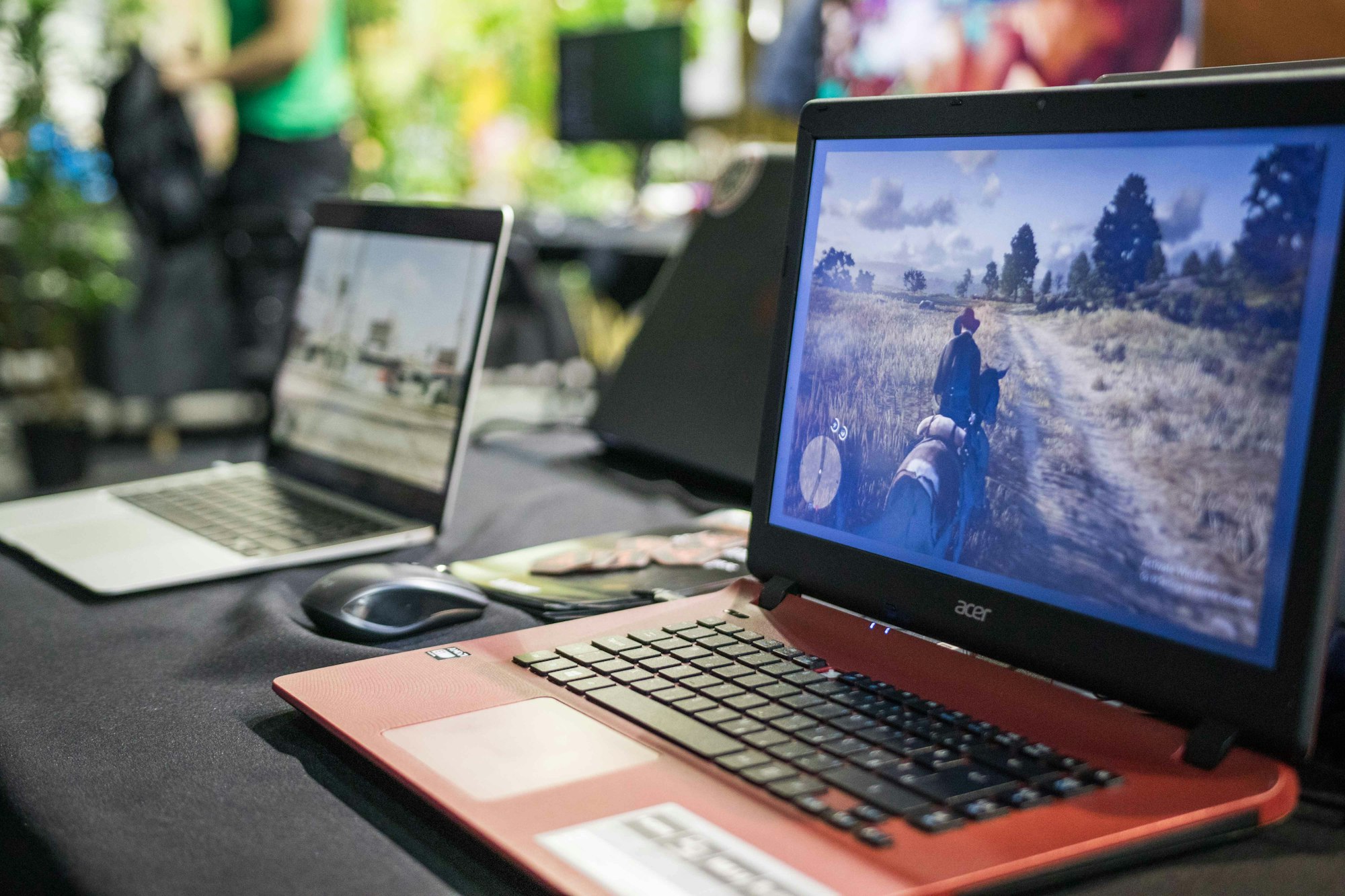
Vendor performance also reflects the shift. Acer remained the market leader, shipping 149,000 units despite a 14.3% year-over-year decline. Lenovo and HP followed closely behind, both posting modest drops. ASUS, however, stood out with an eye-popping 135.6% growth, nearly tripling its shipments from a year ago as it doubled down on consumer sales. Dell held steady in fifth place, primarily serving the commercial space.
The PC market may be smaller this quarter, but it’s not slowing down—it’s evolving. The education wave may have crested, but a new tide, driven by businesses and tech-savvy consumers, is already building.
 Emmanuel Oyedeji