



Remember when engagement rings meant eating ramen for six months? Yeah, me too.
But last week, something crazy happened. My buddy Jake walks into this jewelry store ready to blow his entire savings. He points at this gorgeous 2-carat ring. The salesperson goes, "That'll be $3,500."
Jake thought she missed a zero. Nope. Lab-grown diamond.
His fiancée, Sarah? She's showing that ring off to EVERYONE. And guess what - nobody can tell it's not a "regular" diamond. Because... well... it IS a regular diamond. Just made in a lab instead of dug up from the ground.
Wild, right?
I spent three weeks digging into this whole lab-grown diamond jewelry thing. Talked to scientists who actually make these things. Visited labs. Compared prices until my eyes hurt. Even brought my jeweler uncle into it (he was NOT happy about the price differences).
Brands like Icecartel figured this out already. They're selling lab diamonds and moissanite pieces that look identical to the stuff rappers wear. Except that normal humans can afford them.
Here's everything I learned...
Lab Diamonds Are Real Diamonds (Yes, Really)
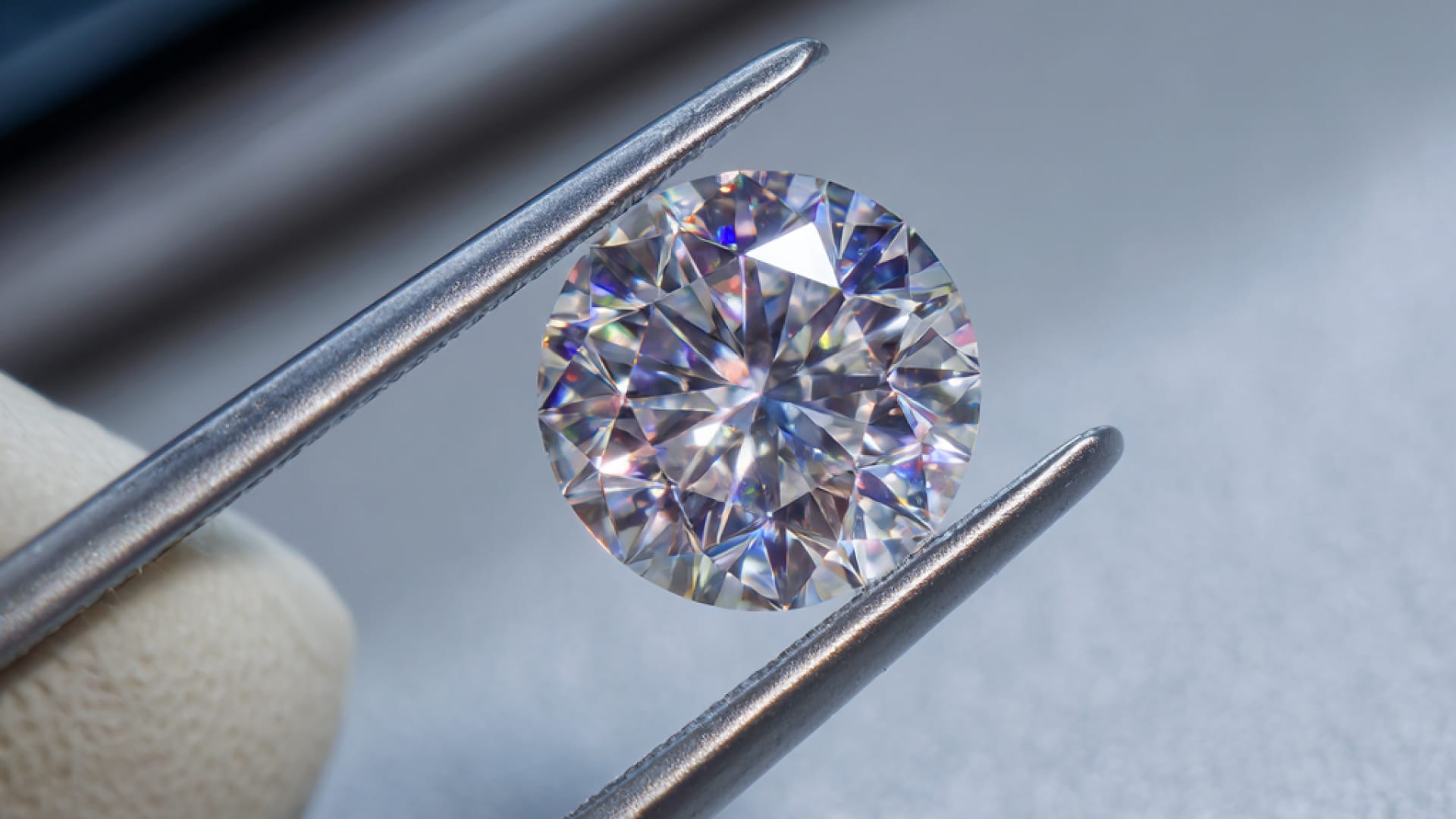
People keep asking me if lab diamonds are "fake."
Uh, no. They're diamonds. Period.
The Government Actually Changed the Rules
Get this - in 2019, the Federal Trade Commission literally rewrote what counts as a diamond. They deleted "natural" from the definition completely. Why? Because there's zero difference between lab and mined diamonds. The same carbon atoms are arranged the same way.
It's like asking if ice from your freezer is "fake" compared to ice from a glacier. It's all frozen water, dude.
How Do They Even Make These Things?
Alright, so imagine you're baking cookies, but instead of flour and sugar, you're using carbon. And instead of an oven, you're using temperatures hot enough to melt steel.
Scientists start with a baby diamond (literally smaller than a grain of salt). They put it in this sci-fi-looking machine. Crank up the heat to about 2,000°F. Add pressure that would flatten a car into a pancake. Wait eight weeks.
BOOM. Diamond.
I watched them do this in person. Still can't believe it works.
Nobody Can Tell the Difference (Seriously)
My uncle's been a jeweler for 32 years. Gave him two diamonds - one lab, one mined. He studied them for twenty minutes with his fancy equipment.
Picked wrong.
The ONLY way to tell? Labs have to spend $50,000 on special machines that detect nitrogen. Mined diamonds have tiny amounts. Lab ones don't. That's literally the only difference. And you need a machine that costs more than a Tesla to spot it.
Environmental Reality Check
Not trying to get all Captain Planet on you, but these numbers are nuts.
Mining Damage You Can See From Space
Ever seen the Diavik mine in Canada? It's visible from the International Space Station. Not joking.
For every engagement ring, miners move 250 TONS of dirt. That's about 100 pickup trucks worth. For one tiny rock.
Water usage? 126 gallons per carat for mining. Lab diamonds use 18 gallons.
Oh, and those holes they leave behind? They're basically permanent. The Kimberley mine in South Africa is so deep, they had to stop digging because it was messing with the air pressure. Now it's just... there. Forever.
Labs Aren't Perfect Either, Though
Let's be real - labs suck up electricity like crazy. Making one carat uses about as much power as your house uses in a month.
BUT (big but) - lots of labs run on renewable energy now. There's one in Oregon powered entirely by wind. Another in Nevada uses solar. Way better than diesel-powered mining equipment.
Shopping Like You Know What You're Doing

After all my research, here's how to not get ripped off.
Engagement Ring Strategy
First rule: Go bigger. Whatever size you planned for a natural diamond, add half a carat with a lab-grown diamond. Same price, way more impressive.
Setting matters more than you think:
- Solitaire: Shows off the diamond, classic choice
- Halo: Ring of tiny diamonds around the main stone (makes it look HUGE)
- Three-stone: Past, present, future thing. Girls love the meaning
Building a Collection Without Going Broke
This is where lab-grown diamond jewelry really makes sense.
Diamond studs for everyday? Get 'em. Tennis bracelet for special occasions? Why not. That pendant you've been eyeing? Do it.
I know someone who bought an entire jewelry collection (earrings, necklace, bracelet, ring) for less than what ONE natural diamond ring would've cost.
Size Guidelines That Actually Help
Earrings:
- Daily wear: Half carat total (quarter each ear)
- Office appropriate: 1 carat total
- Going out: 2+ carats total
Necklaces:
- Subtle pendant: 0.3-0.5 carats
- Noticeable: 0.75-1 carat
- Statement piece: 1.5+ carats
The Smart Approach to Affordable Luxury Jewelry
Remember, I mentioned Icecartel? Here's their deal.
They figured out most people want nice jewelry but can't drop $10K on a chain. So they use lab diamonds and moissanite (which is basically a diamond's cousin - almost as hard, just as sparkly).
Smart move: They put 14K gold over sterling silver. Sounds cheap? It's not. The silver makes it strong, the gold makes it look expensive. Their special coating process means it won't turn your neck green like that $50 chain from the mall.
They're huge in hip-hop jewelry, but honestly? Anyone who wants to look good without selling their car should check them out. Best part - their stuff passes diamond testers. Your jeweler friend won't even know.
Bottom Line After All This Research
Look, here's the deal with lab-grown diamond jewelry. Both are real diamonds. One took 3 billion years, one took 2 months. Both will outlive you, your kids, and probably humanity.
Just pick whatever makes you (or your partner happy. Life's too short to stress about rocks.
What do you think? Would you go lab or a natural? Let me know in the comments. Especially if you've bought either recently – curious what your experience was like!


