I first discovered the tech ecosystem in 2017 when #FounderMode was a celebrated ideology. It was not a great year for the industry, reputation-wise. Still awash with Silicon Valley venture capital, founders too inexperienced with bad managerial instinct had ruled over startups like one would a fraternity for groundlings. Sexual harassment allegations were rife. Multiple reports exposed bullying incidents.
There were many companies that were stained by this. But only a few were affected quite like Uber, a buzzy ride-hailing company.
And the first article about the industry I ever read was a viral blog post by Susan Fowler, a former employee at Uber who detailed her experience at the company and the complicity of founder Travis Kalanick, who ultimately resigned.
When I became a journalist covering the tech ecosystem, I never fully recovered from Fowler’s accounting, always watching the leaders in the space, looking for traits, suspicious. And so for me, like for many, #FounderMode—the marching order of that industry for young founders to work harder and build faster—became a dirty ideology.
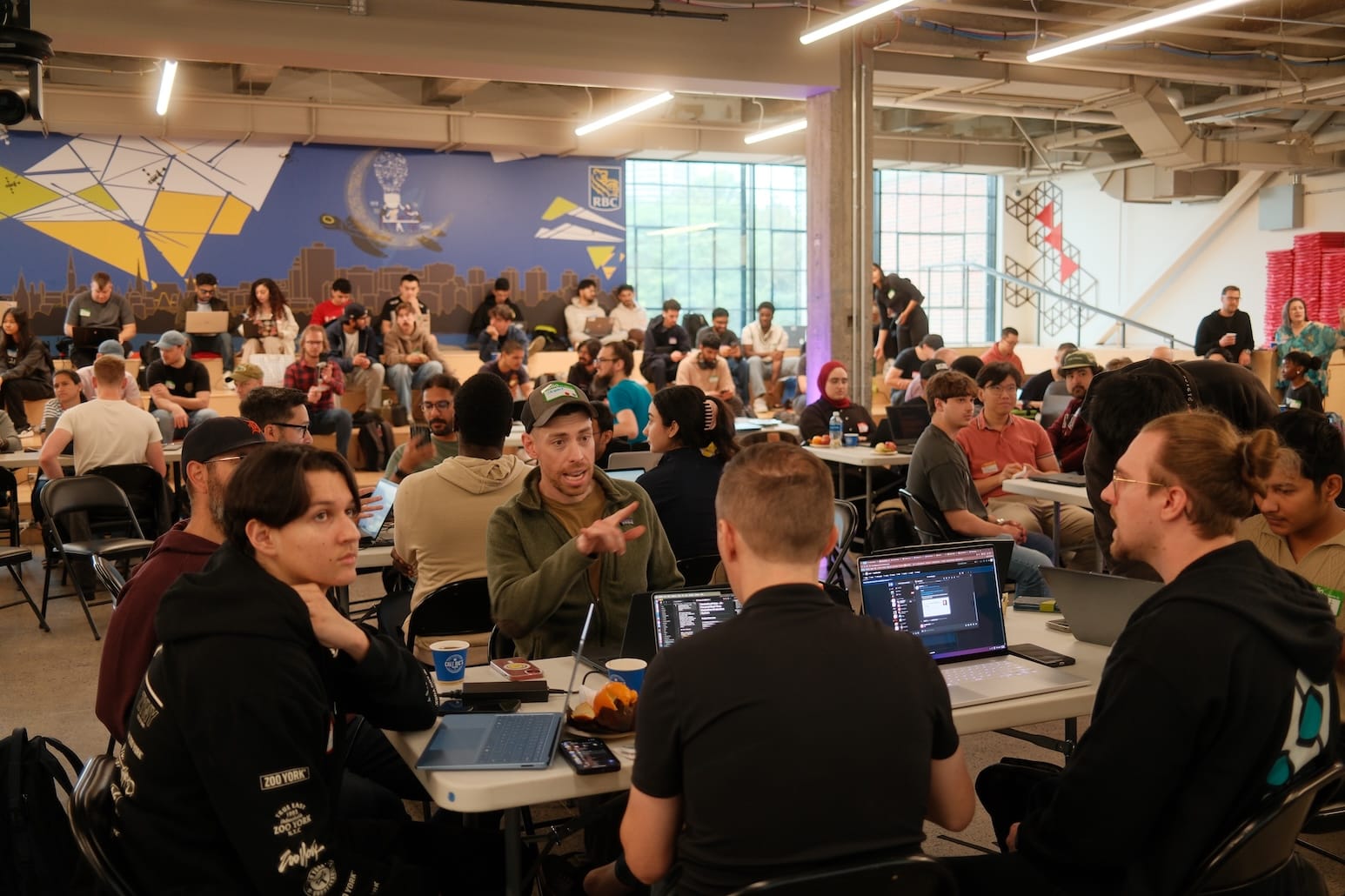
As we entered the AI boom, with the industry once again flush with cash, many innovators have chosen to embrace the #FounderMode once more, to build the product that would determine the future of this era. One of the places they are building these products is in hacker houses. Hacker houses are workplaces away from the office or home office where builders come together to build individual products and receive feedback on their work.
This week, we spoke to the founders of the AGI Ventures Canada Hacker House, the first AI hacker house in Canada, leaning on their experience to understand this new era of foundermode.
— Dennis, Managing Editor
🇭🇰 Asia vs. America: Who's winning the crypto race?
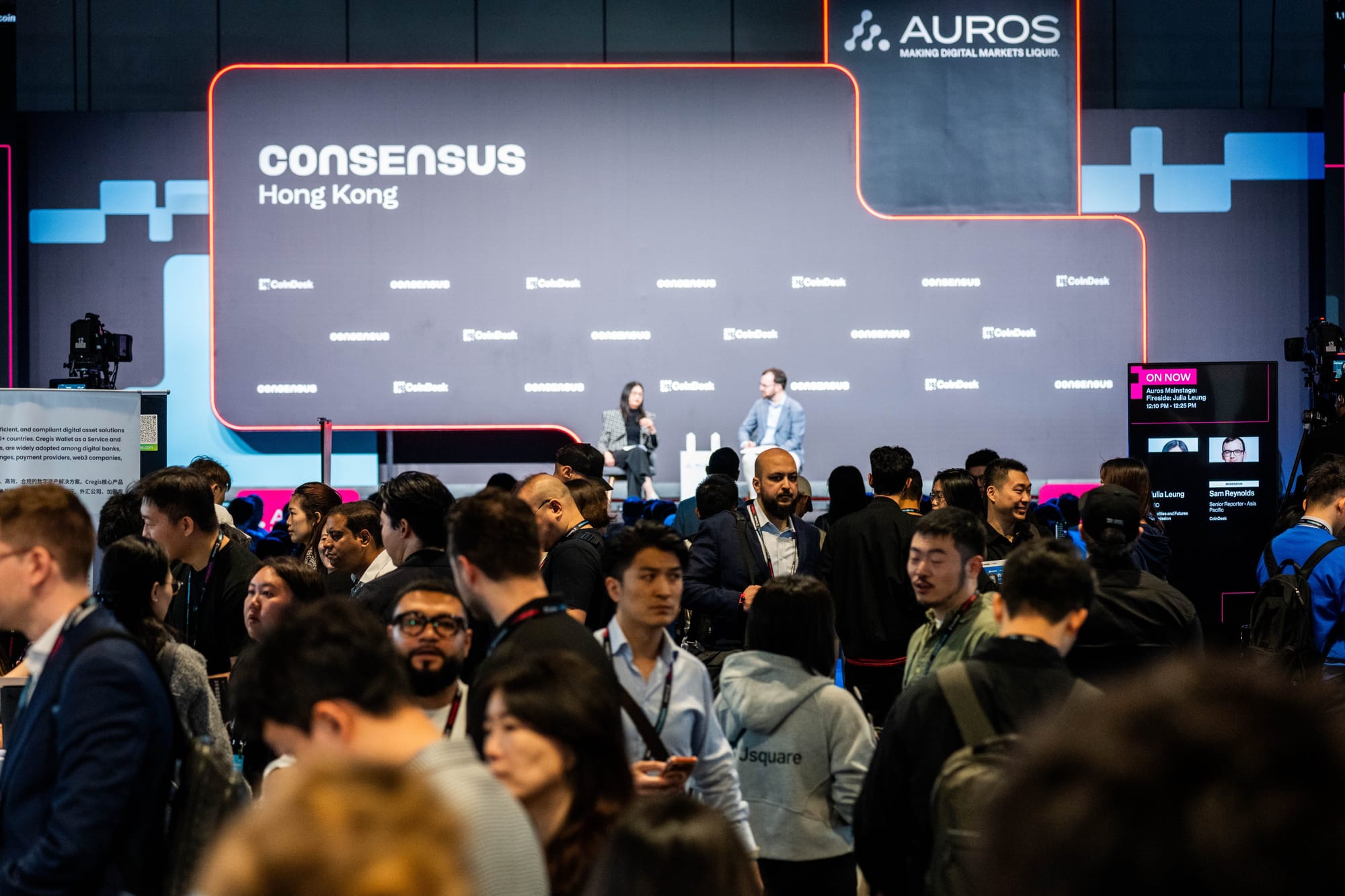
Who is leading the crypto boom? American President Donald Trump, with the backing and advice of Silicon Valley, has positioned himself as the crypto president.
But in Asia, local adoption and more favourable policies have been implemented, turbocharging innovation with blockchain technology. At Consensus, the global blockchain event by CoinDesk, speakers were torn between Asia and America for the future of the industry.
Who would lead us into a world where crypto will become a global legal tender?
The campaign to present crypto and the future of finance also started this year. In multiple panels, thinkers in the industry offered arguments for why banks should back crypto and not work against it.
The rumours that banking industry leaders are lobbying politicians against crypto we first heard at WEF also reared its head at Consensus.

🤖 The job killer
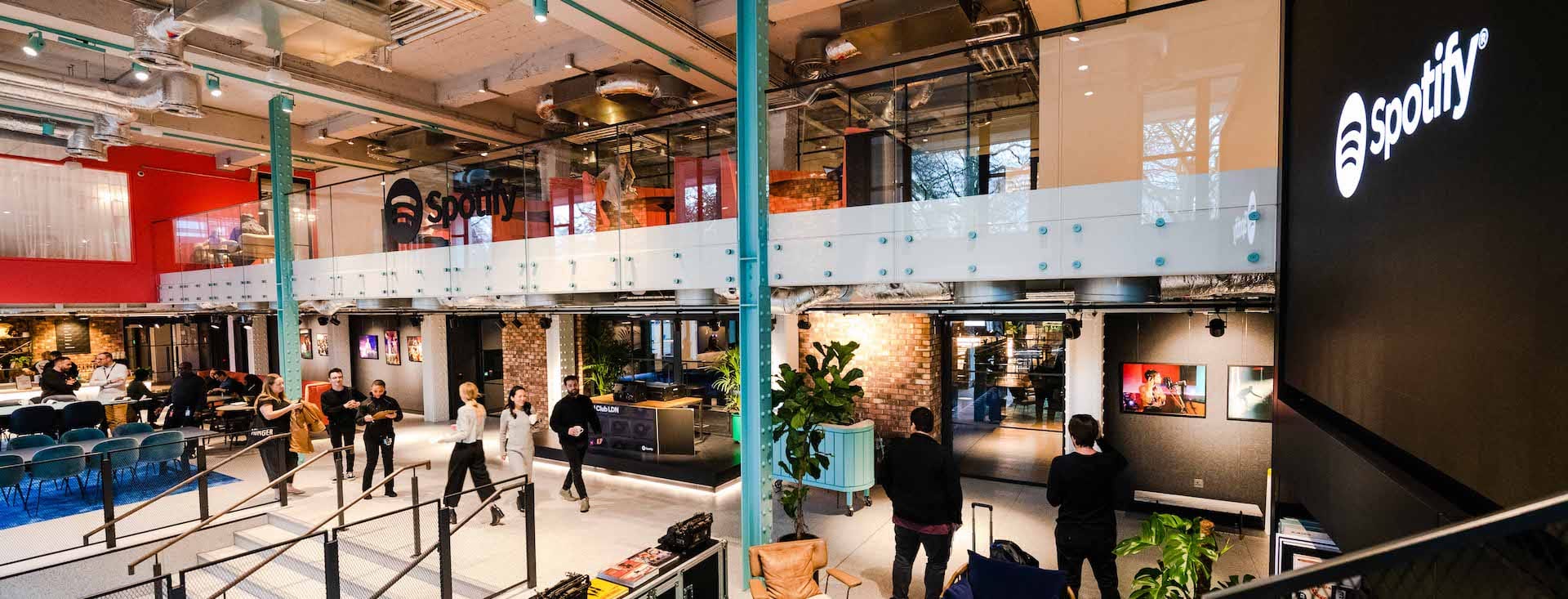
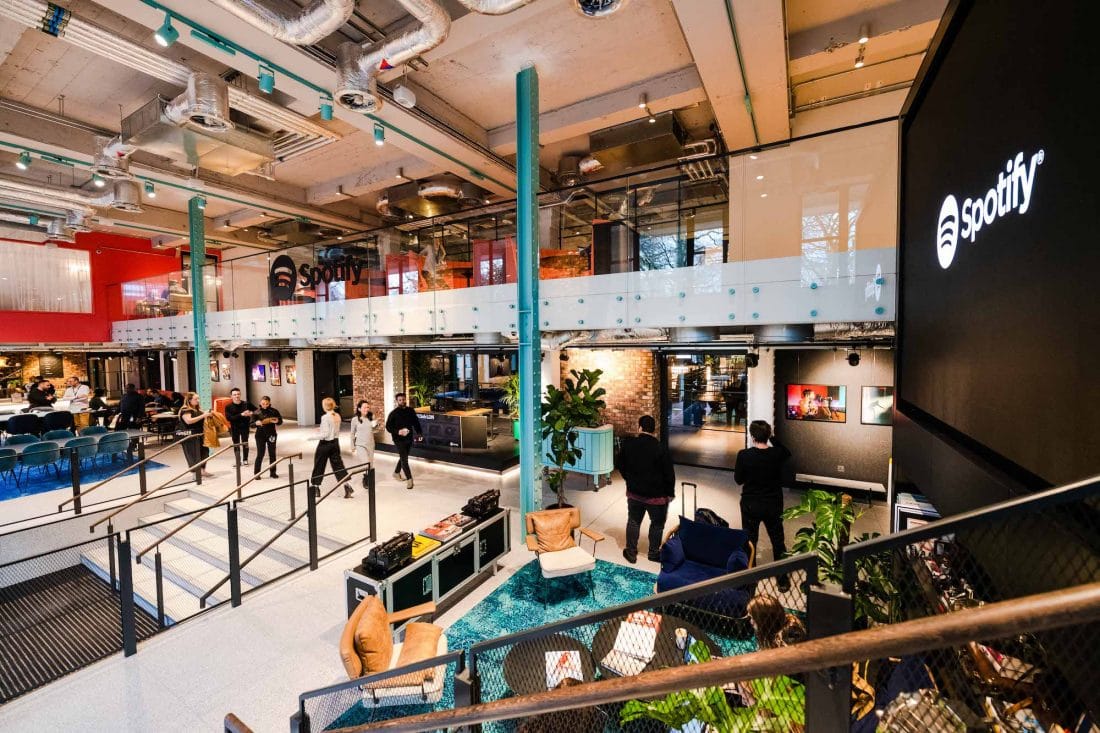
After AI proponents pitched AI as the artist killer, riling writers on social media as an endangered species, it seems AI might first come for the jobs of software engineers. Spotify says that it now does a huge chunk of its coding with AI and has seen success integrating it as a chatbot on Slack.
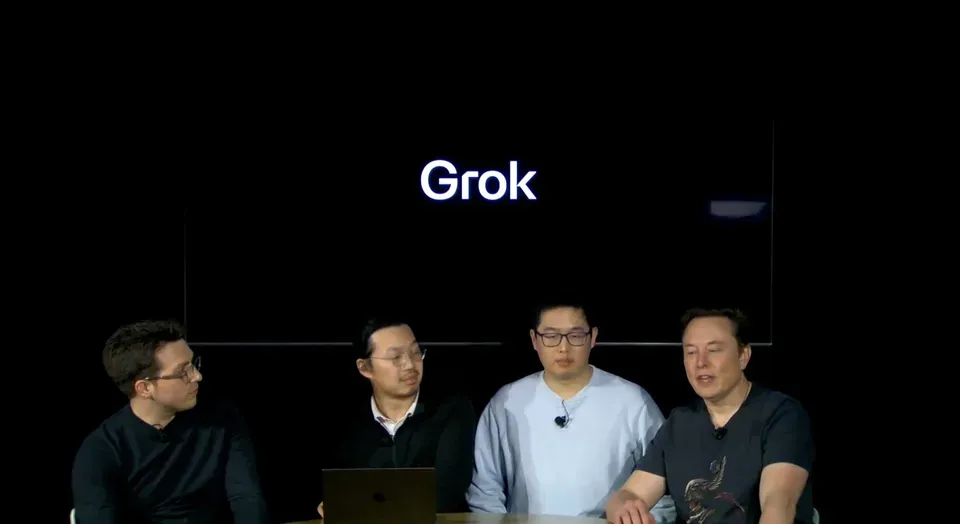
As AI builders begin to reassess their involvement in the tech that would either kill us all or save us, at Elon Musk’s xAI, founders are jumping ship. This week two co-founders of the company, Tony Wu and Jimmy Ba, announced less than 48 hours apart that they were leaving the company.
If you have been waiting for the upgraded Apple Siri, well you might have to wait a bit longer. A new report says that the company has not yet fine-tuned the product and will now delay its release to much later in the year.

⛑️ Protecting teens
Discord has made an aggressive move in the debate over social media safety for teen identities. While the CEO of Instagram faced harsh grilling in Washington this week, Discord says that every account on its platform will now be, by default, safe for teens. Users looking to have more unrestricted use of the app would have to verify they are adults.
Meta, in a statement this week, said Russia has blocked WhatsApp in the country. “Trying to isolate over 100 million users from private and secure communication is a backwards step and can only lead to less safety for people in Russia,” it said.

👾 Gaming announcements
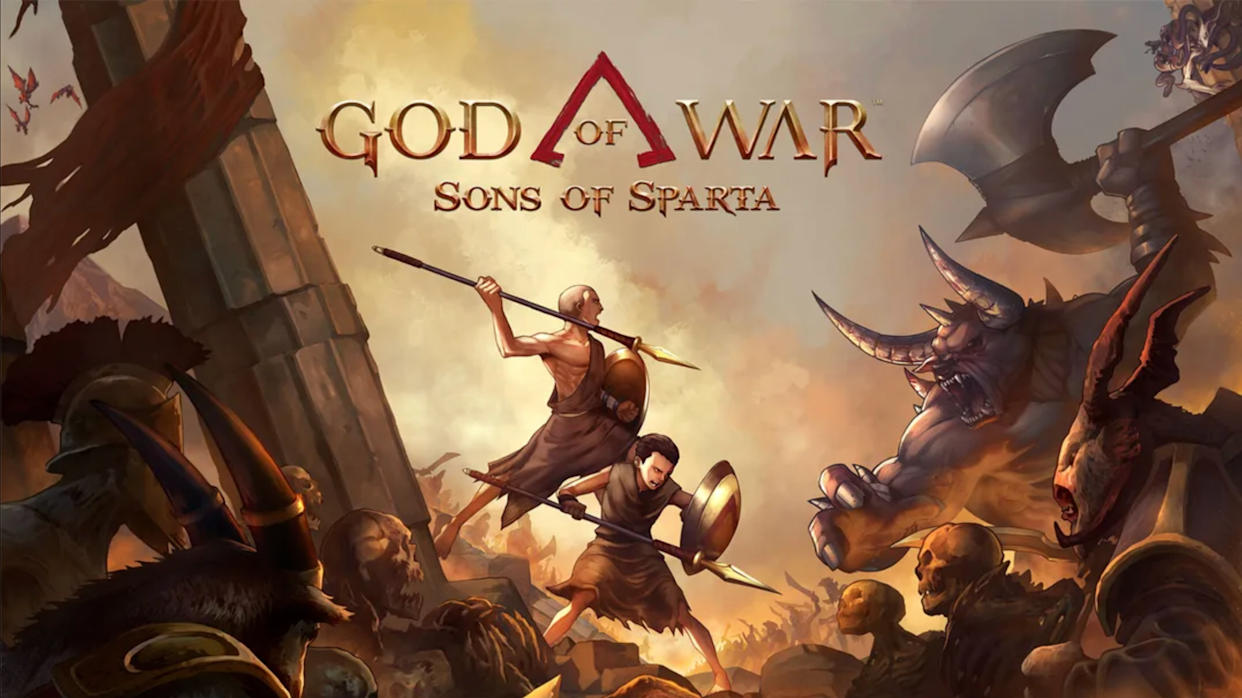
- Marvel Rivals Season 6.5 Adds Elsa Bloodstone, New Team-Ups, and Deadpool Events
- Magic: The Gathering Unbans Biorhythm After 21 Years in Commander Exile
- Final Fantasy VII Rebirth Gets Switch 2 and Xbox Release Date, Digital Deluxe Edition Discounted
- GOG Confirms Native Linux Version of Galaxy Launcher Is in Development
- PlayStation State of Play February 2026 Recap: All Games Revealed and Major Announcements
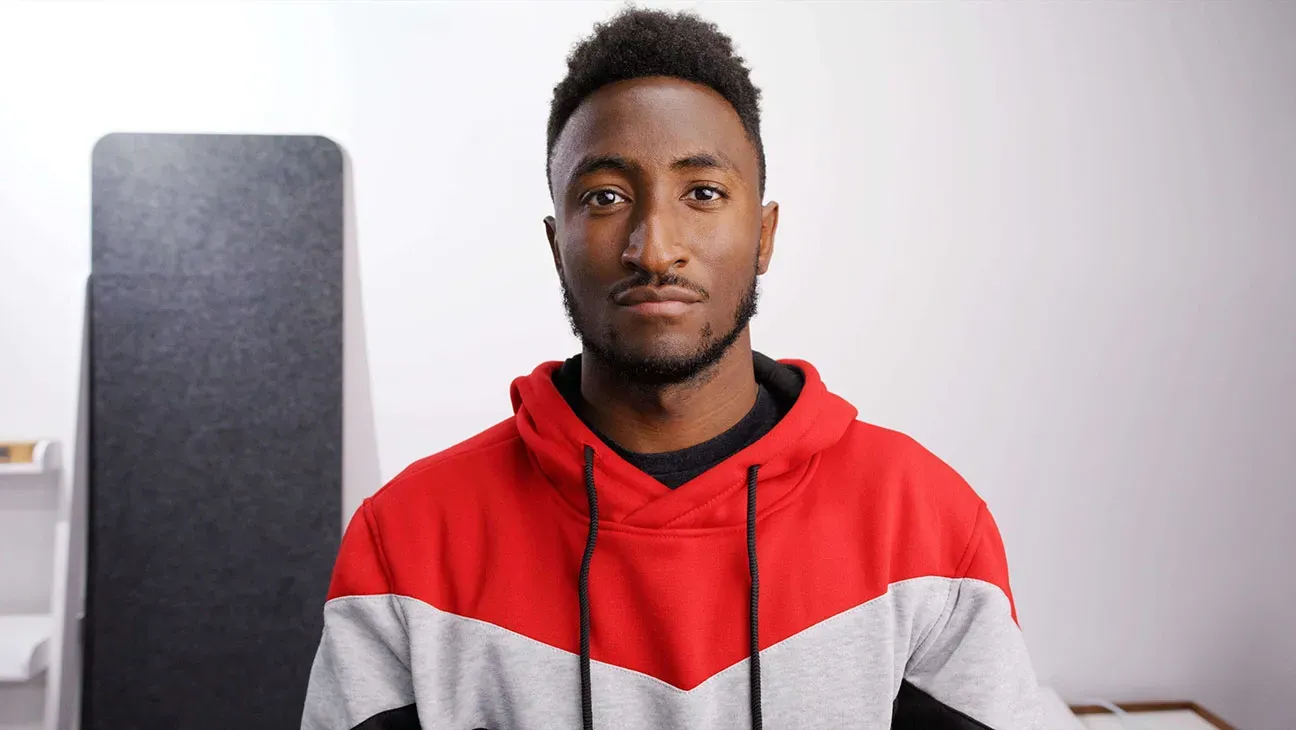
🪫 MKBDH and batteries
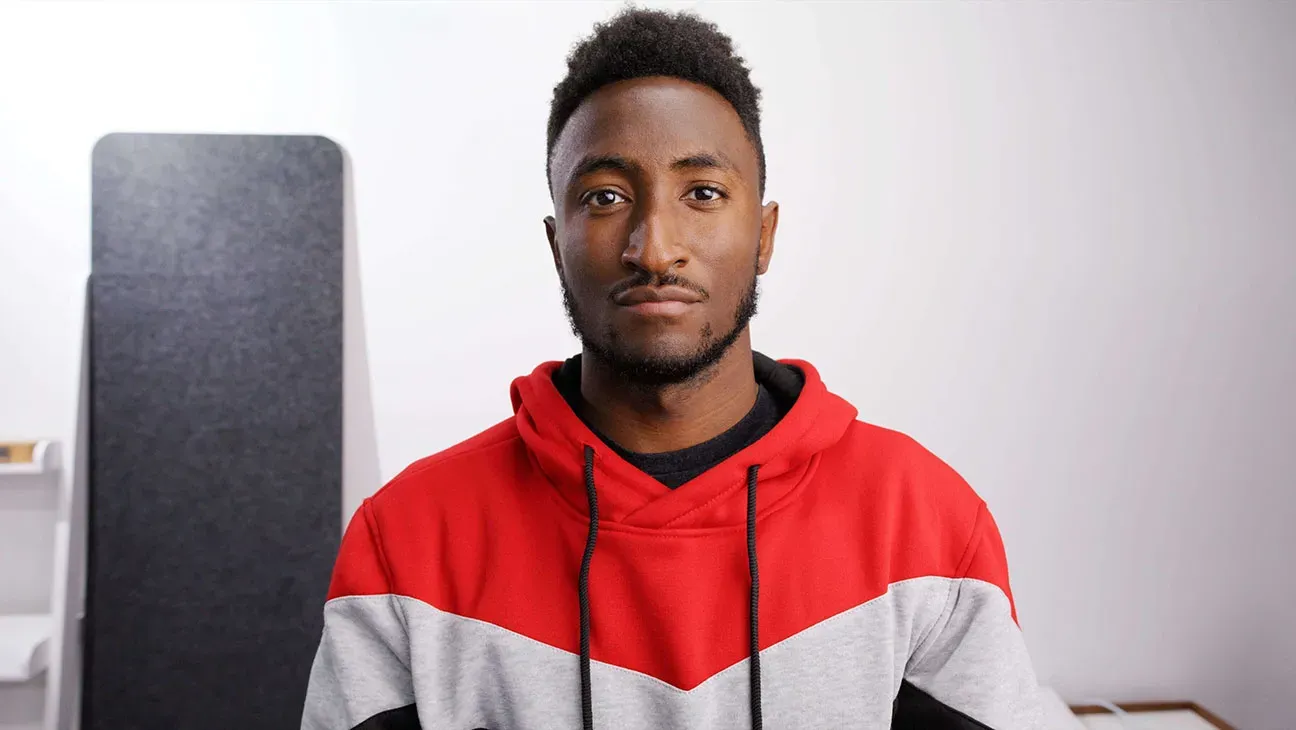
This week the tech YouTuber Marquess Brownlee faced backlash for a thumbnail that critics said was misleading and biased against non-American companies. Critics seized on the error as evidence that US-based tech reviewers have a Western bent and are not up to the test of high tech from Asia.