OpenAI is planning to bring its AI video generator Sora directly into ChatGPT, according to a report published by The Information on March 10, 2026.
Citing people familiar with the matter, the report says the integration would allow users to generate videos within ChatGPT itself. OpenAI has not publicly confirmed the plan. According to the same report, the standalone Sora app is expected to continue operating alongside the ChatGPT version.
The potential integration comes as interest in the standalone Sora app appears to be slowing. Data reported earlier this year shows installs dropped significantly after its launch surge.
 Damilare Odedina
What Sora Does
OpenAI launched Sora as a standalone app in September 2025. The platform allows users to create and share AI-generated videos using text prompts.
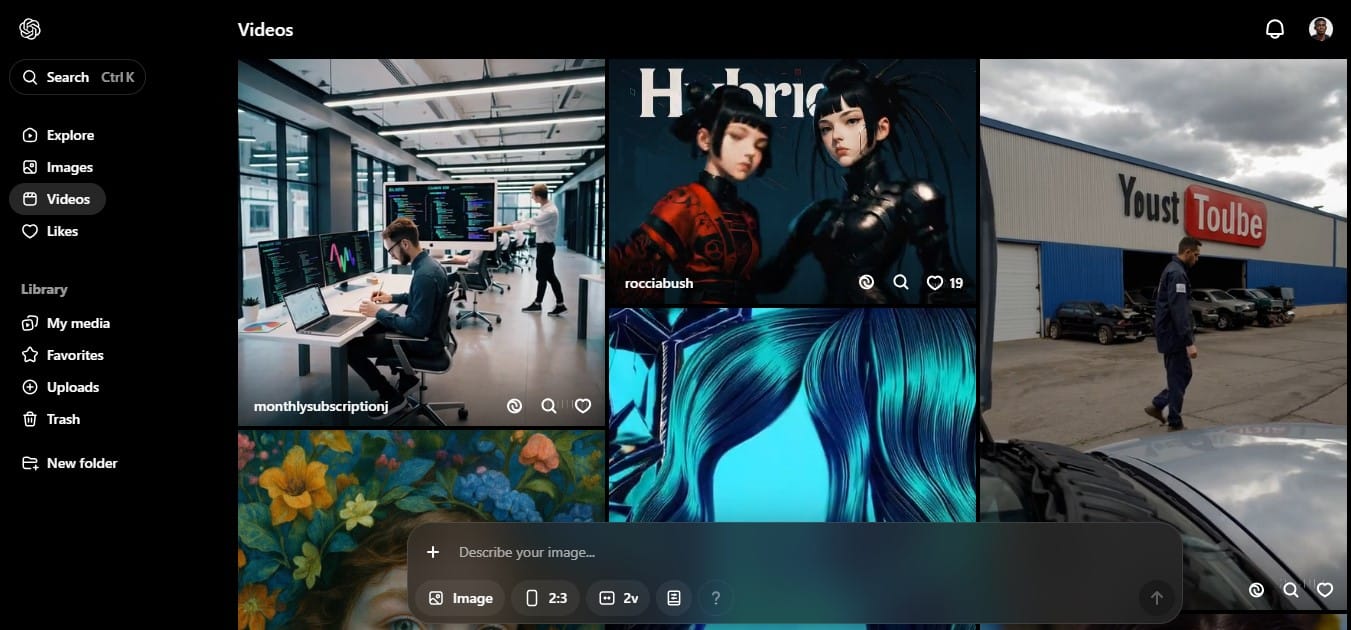
The tool can generate clips based on prompts that include characters, locations, and actions. Users can also insert themselves or friends into generated videos and remix clips shared by other users. Videos can include music, dialogue, and sound effects, and can be produced in widescreen, vertical, or square formats.
Currently, the public version of Sora can generate videos up to 20 seconds long in 1080p resolution.
New Features Rolling Out
On March 11, 2026, the Sora team announced a new feature called References in a post on X.
The feature allows users to save specific elements — such as characters, visual styles, props, costumes, camera movements, or prompt templates — and reuse them across multiple videos. According to the announcement, this helps creators maintain consistency in their projects.
The feature is available on the web version of Sora through a new References tab in the video composer.
Pricing and Platform Limits
OpenAI introduced a pay-as-you-go pricing option for Sora on November 28, 2025.
Under the system, users can purchase 10 additional video generations for $4, on top of the platform’s 30 free daily generations.
Sora product lead Bill Peebles said at the time that heavy usage had pushed the platform’s infrastructure costs higher than expected.
According to Peebles, the volume of video generations produced by users made the service “completely unsustainable” under the original model. He also suggested that future monetisation models could include licensing arrangements allowing rights holders to charge for the use of specific characters or public figures in AI-generated videos.
Peebles added that free generation limits may eventually be reduced as user numbers grow, citing GPU capacity constraints.
Slowing Momentum
At launch, Sora quickly gained traction.
The app’s iOS version surpassed 100,000 downloads on its first day, reached No. 1 on the U.S. App Store, and crossed one million downloads faster than ChatGPT.
But that momentum did not last. According to a January 2026 report from TechCrunch citing data from Appfigures, Sora installs dropped 45% month-over-month in January.
User spending declined at the same time. The app fell out of Apple’s top 100 apps in the United States and saw a similar drop on Google Play.
Consumers spent $367,000 inside the app in January, down from $540,000 in December. Total downloads across iOS and Android currently stand at 9.6 million, while total consumer spending has reached $1.4 million, with the United States accounting for $1.1 million of that amount.
If OpenAI integrates Sora directly into ChatGPT, the company could potentially expose the video generator to hundreds of millions of existing users, potentially reviving interest in the product.
 Damilare Odedina