



The shift to Surface-Mount Device (SMD) LEDs marks a turning point in how we design and interact with technology—these components power gaming and smart home devices.
For gamers, SMD LEDs deliver RGB lighting that syncs with in-game events. For smart homes, SMD IR LEDs power remote controls and automation hubs.
SMD LEDs in Gaming Keyboards: Revolutionizing RGB Lighting and Performance
Responsive lighting cascading across keyboards isn't just aesthetic—it's the result of SMD LED technology working at a remarkably small scale. SMD LEDs sit on the circuit board, allowing for more compact and efficient lighting.
For gamers, this matters beyond aesthetics. Synchronized lighting improves awareness during gameplay. The compact footprint of SMD LEDs also contributes to slimmer keyboard profiles and more consistent backlighting across the entire key surface, reducing uneven lighting.
Understanding RGB Lighting Options for Keyboards with SMD LED Technology
RGB keyboards differ in lighting control. Per-key RGB allows individual key control. Zone lighting groups keys, reducing cost but limiting control. For competitive gamers who rely on color-coded key mapping, per-key is worth the investment.
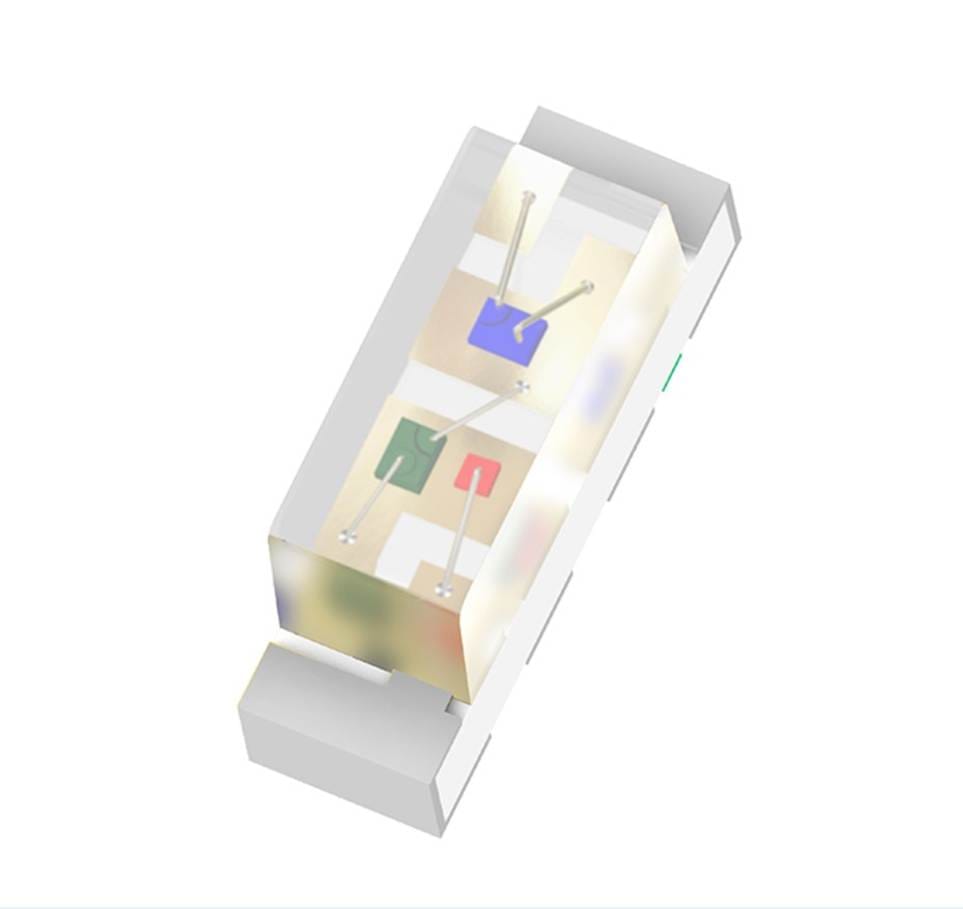
SMD LEDs provide better brightness and efficiency. Their lower profile allows more even light diffusion under translucent keycaps, their higher luminous efficiency means brighter output at lower power draw, and their surface-mount construction makes them significantly more resistant to vibration and physical shock. Check software support for customization and synchronization. Color accuracy is another consideration; look for keyboards that specify a wide color gamut and offer brightness adjustment, since some budget SMD implementations produce washed-out or inconsistent hues at lower brightness settings.
Choosing the Best Gaming Keyboard with SMD LED Features: A Step-by-Step Guide
Choose between per-key and zone RGB. Check brightness levels for visibility. Verify software compatibility with your existing peripherals, since cross-brand synchronization (like Razer Chroma or ASUS Aura Sync ecosystems) only works within supported product families.
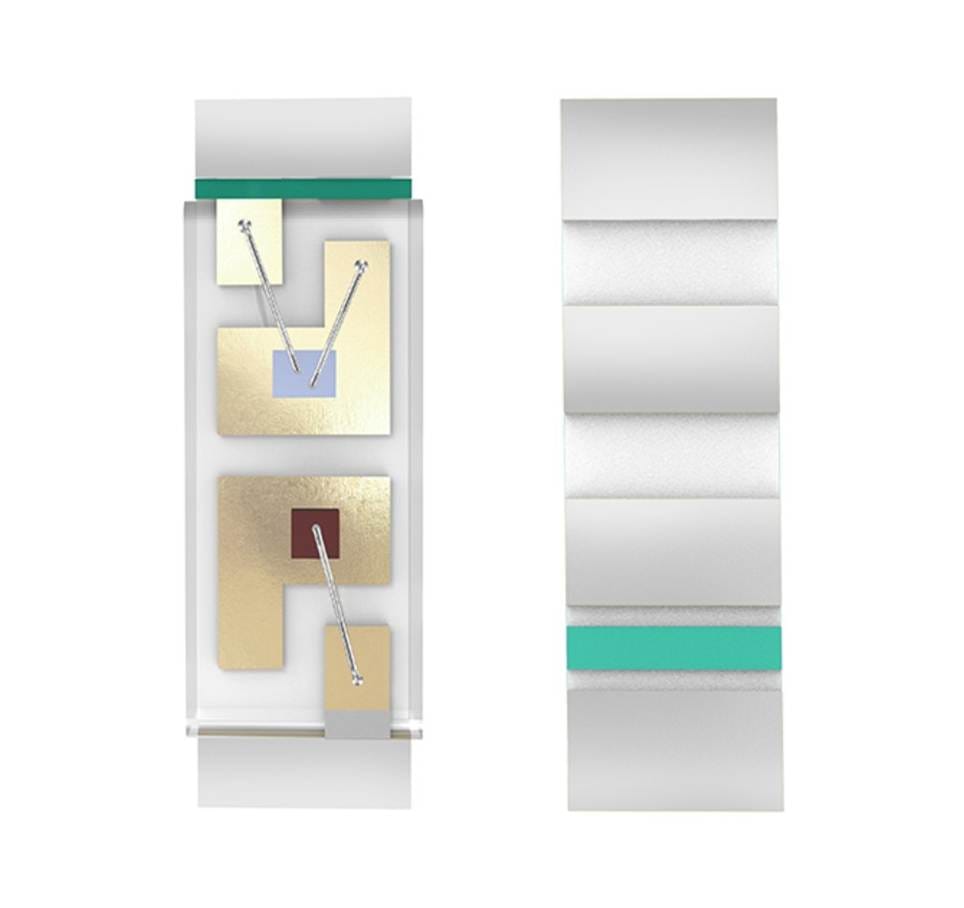
Choose durable builds like aluminum or reinforced plastic frames. Switch type also interacts with your lighting experience; keyboards using optical switches often position SMD LEDs more precisely because the optical mechanism requires exact alignment, which can improve light consistency. Finally, consider your budget realistically: mid-range keyboards in the enthusiast tier typically offer the best balance of SMD LED quality, switch options, and software depth without the premium attached to flagship branding. Reading teardown reviews and community feedback on LED longevity—particularly whether brightness fades noticeably after extended use—will give you a clearer picture than spec sheets alone.
SMD LEDs in Smart Home Devices: Enhancing Automation and Control with IR Technology
SMD IR LEDs enable communication in smart homes. Their compact footprint and consistent output make them ideal for embedding into sleek remote controls, smart hubs, and automation bridges—devices where reliability matters more than visibility.
The appeal for home automation enthusiasts is straightforward: SMD IR LEDs deliver stronger, more directional signals than older through-hole components, reducing the frustration of pointing a remote at precisely the right angle. Low power consumption extends battery life in wireless devices. As smart home ecosystems grow more complex—spanning lighting, climate, security, and entertainment—the dependability of each IR component becomes a foundational concern, not an afterthought.
Reliable IR LED Options for Remote Controls in Smart Home Systems
High-quality SMD IR LEDs perform better over distance. Premium SMD IR LEDs maintain signal integrity at distances exceeding ten meters, even with moderate obstructions like glass shelving or angled receivers. Key factors: intensity, beam angle, and current. Higher radiant intensity means stronger signal projection, while a narrower beam angle concentrates that power directionally—useful for dedicated device control. A wider beam angle suits multi-device hubs that need to broadcast signals across a room without precise aiming.
When testing an IR remote or hub, use your smartphone camera—most front cameras lack an IR filter and will show a visible purple-white flash when the LED fires, confirming it's working. If signal dropout occurs with a specific device, check whether the hub supports that device's IR protocol (NEC, RC-5, or SIRC are the most common) and whether firmware updates have expanded the device library.
Integration Tips for Smart Home Devices with SMD LED Technology
Integrating SMD devices requires compatibility and placement. Start by auditing your current ecosystem. For most homes, a hybrid approach works best—Zigbee for lighting nodes spread across multiple rooms, Wi-Fi for high-bandwidth devices like RGB controllers that need low-latency software communication.
Proper placement improves reliability. Place hubs with a clear line of sight, avoiding obstacles. IR signals reflect off walls reasonably well, but direct paths always outperform bounced ones. For synchronization, platforms like Home Assistant or Google Home let you create automation routines that trigger IR commands alongside other smart device actions—for example, dimming Zigbee lights and sending an IR power-on signal to your TV simultaneously when a "movie mode" scene is triggered. Solve the first by repositioning sensors away from direct sunlight exposure, and address the second by moving non-latency-sensitive devices to Zigbee or Z-Wave, freeing Wi-Fi bandwidth for devices that genuinely need it.
SMD LEDs: The Foundation of Modern Gaming and Smart Home Innovation
SMD LEDs power gaming and smart home innovation. In gaming, it powers the per-key RGB precision that transforms keyboards into responsive, personalized tools—delivering vivid color, reliable durability, and software-driven customization that keeps pace with competitive play. In smart homes, SMD-based IR LEDs form the dependable, invisible infrastructure that ties together remotes, hubs, and automation routines into a cohesive, responsive ecosystem.
AI-driven lighting systems are beginning to adapt RGB effects dynamically based on gameplay analytics, while broader IoT frameworks are pushing IR and visible-light SMD LEDs into roles we haven't fully imagined yet. Whether you're optimizing a gaming station or building a smarter living space, SMD LED technology—backed by specialized manufacturers like HQG OPTO advancing LED lamp bead performance—is the foundation worth understanding, and the right starting point for every upgrade that follows.


