



At Computex 2026, ASUS officially unveiled the ROG Xbox Ally X20, a refreshed version of the popular ROG Xbox Ally X that addresses one of the biggest requests from players since launch: an OLED screen.
While the device looks familiar on the outside, the upgrades under the hood suggest this is more than a simple refresh.
Between a larger display, improved controls, redesigned ergonomics, and a brighter HDR experience, the Ally X20 appears to be ASUS' answer to the growing competition in the premium handheld gaming market.
ASUS finally brings OLED to the Xbox Ally line
The headline feature of the new Xbox Ally X20 is undoubtedly its display. ASUS has upgraded the handheld from its previous LCD panel to a 7.4-inch OLED Nebula HDR display, delivering deeper blacks, richer colours, and significantly improved contrast.
The company says the screen can reach up to 1,400 nits of peak brightness, making it one of the brightest handheld gaming displays currently available.
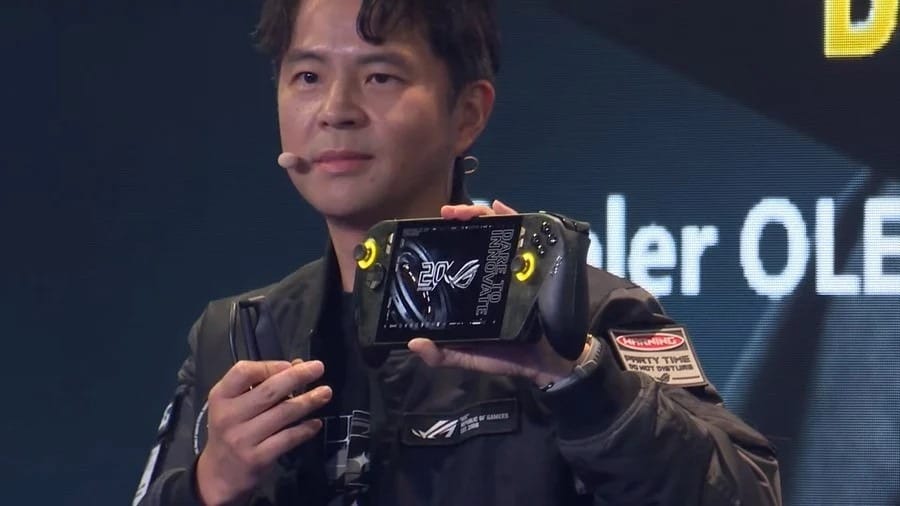
Combined with a 120Hz refresh rate and FreeSync Premium Pro support, the result should be a smoother and more vibrant gaming experience whether players are diving into Game Pass titles, PC games, or cloud gaming.
More importantly, the larger display comes without dramatically increasing the handheld's footprint, thanks to ASUS reducing the size of the bezels surrounding the screen.
But the display isn't the only area receiving attention. ASUS also introduced new TMR (Tunnel Magnetoresistance) thumbsticks, which are designed to improve durability while reducing the risk of stick drift, a problem that has plagued controllers and handhelds across the gaming industry for years.
Meanwhile, the company redesigned several core inputs, including a new transforming D-pad that switches between four-way and eight-way inputs, refined face buttons designed for smoother movement and responsiveness, and improved rubberized grips for enhanced comfort during longer gaming sessions.
Taken together, these changes suggest ASUS is focusing heavily on player feedback from the original Ally and Ally X hardware.
 Emmanuel Umahi
Why an OLED Xbox Ally wasn't possible before
Interestingly, ASUS previously admitted that integrating OLED technology into the Ally platform wasn't feasible when the original Xbox Ally X launched.
The biggest obstacles were reportedly cost, thermal management, and maintaining support for variable refresh rate technology. OLED panels generate and manage heat differently from traditional LCDs, creating engineering challenges inside a compact handheld device.
For the Ally X20, ASUS says it redesigned the cooling solution to direct airflow more efficiently toward the APU while helping keep display temperatures under control. In many ways, the Ally X20 represents a solution to problems ASUS simply couldn't solve a year ago.
Xbox unveils the ROG XREAL R1 AR glasses
The Xbox Ally X20 wasn't revealed alone. ASUS announced the device alongside the ROG XREAL R1 Edition 20 Gaming AR Glasses, positioning the bundle as a premium portable gaming package aimed at enthusiasts looking for multiple ways to play.
The ROG XBOX Ally X20 Bundle is here, paired with ROG XREAL R1 Edition 20 gaming AR glasses for a next-level portable gaming experience.
— ROG Global (@ASUS_ROG) June 1, 2026
Learn more: https://t.co/q1QEfETXJN#ROGXBOXAllyX20 #ROGXREALR1Edition20 #playALLYourgames #ROGCOMPUTEX2026 #ROG20thAnniversary pic.twitter.com/Ve2qoZ0dEZ
While ASUS has yet to confirm whether the Ally X20 will be sold separately, industry observers expect a standalone version to become available eventually.
The OLED Xbox Ally's price could be the biggest talking point
If there's one area likely to spark debate, it's pricing. The existing Xbox Ally X already sits firmly in premium territory at around $999.99/£799.99.
With the addition of a larger OLED display, upgraded controls, revised cooling systems, and bundled AR hardware, it's difficult to imagine the Ally X20 launching below that figure. In fact, this could become the first Xbox-branded handheld device to comfortably cross the $1,000 barrier.
What this means for Xbox's handheld future
The Ally X20 arrives at an interesting moment for handheld gaming.
As devices like the Steam Deck OLED, Nintendo Switch 2, and various Windows gaming handhelds continue to compete for attention, display quality has become one of the biggest battlegrounds.
By finally embracing OLED technology, ASUS is ensuring the Xbox Ally platform remains competitive in the premium handheld space.
And if early reactions are anything to go by, the OLED screen may be the upgrade Xbox and handheld gaming fans have been waiting for all along.
Emmanuel Umahi


