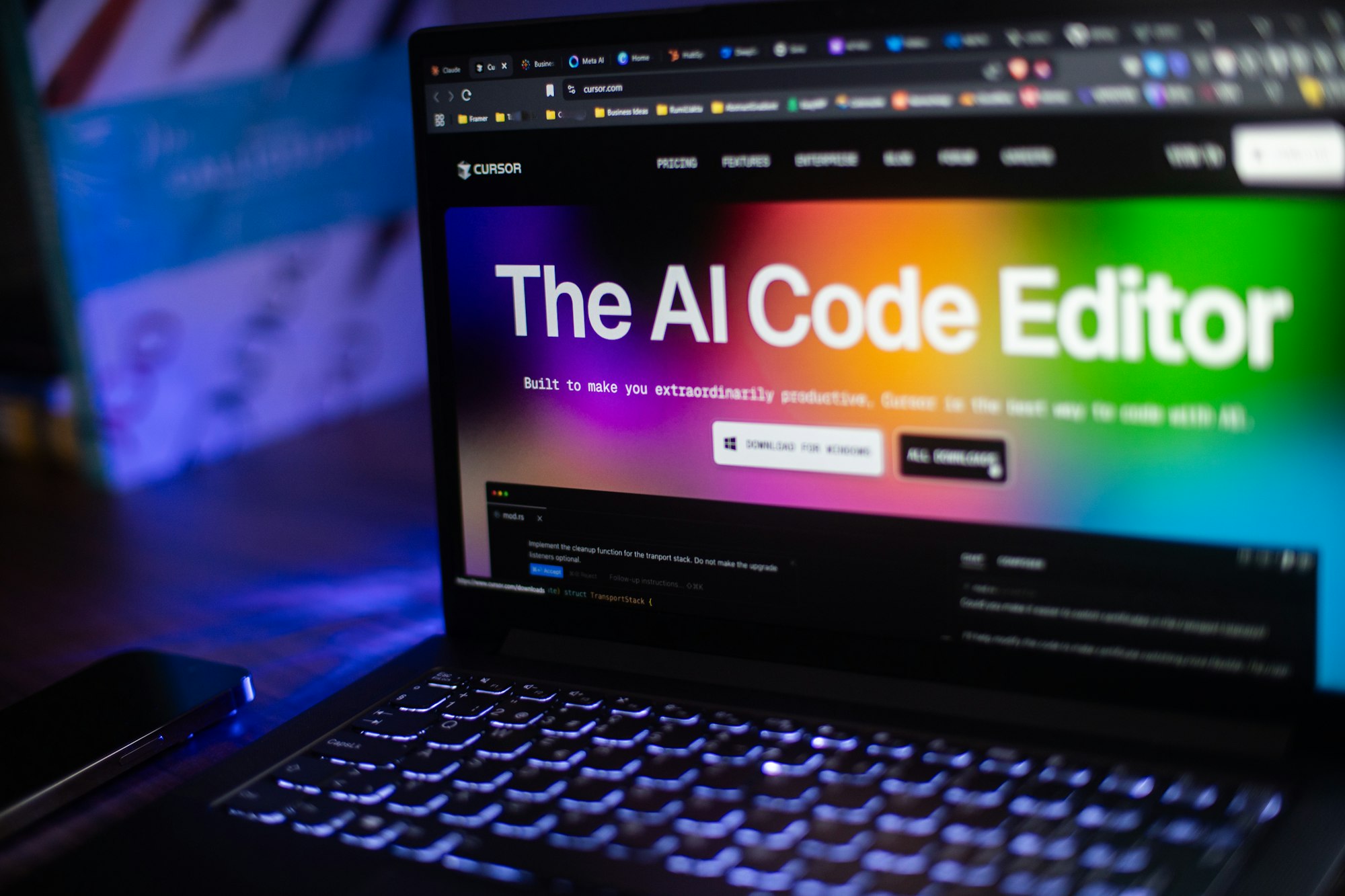
Just days before it was expected to close a $2 billion funding round at a $50 billion valuation, Cursor found itself in a very different kind of negotiation. The fast-growing AI coding platform, known for building its own AI-native development environment for programmers, was reportedly finalising commitments from investors including Andreessen Horowitz, Nvidia, Thrive Capital, and Battery Ventures.
At the same time, behind the scenes, Cursor was in talks with SpaceX. Now those talks have come into the open, and the result is not an acquisition, at least not yet.
SpaceX, the Elon Musk-founded company that makes Starlink, announced that it has secured the option to acquire Cursor later this year for $60 billion. If it decides not to proceed with the purchase, SpaceX will instead pay Cursor $10 billion over time for what it calls "AI collaboration".
Excited to partner with the SpaceX team to scale up Composer. A meaningful step on our path to build the best place to code with AI. https://t.co/hsGaleKrgt
— Michael Truell (@mntruell) April 21, 2026
For Cursor, this arrangement quietly solves a looming problem. Despite explosive revenue growth and rapid adoption among enterprises, AI coding is incredibly compute-intensive. According to reports, the planned $2 billion raise would not have been enough to carry the company to breakeven, meaning another large funding round would likely follow.
This deal effectively gives Cursor a $10 billion financial backstop and potential access to SpaceX’s vast data centre resources, easing the pressure to continuously raise capital in an increasingly competitive AI landscape dominated by tools like Codex from OpenAI and Claude Code from Anthropic.
For SpaceX, the timing is just as important. The company, which recently merged with xAI, is preparing for a major IPO. Announcing an option to buy one of the most valuable AI startups in the world allows SpaceX to position itself as more than a space and satellite business. It signals to future public investors that AI will be a core part of its story, without forcing the company to update its confidential financial filings before going public. If the acquisition happens after the IPO, SpaceX could even use publicly traded stock to help finance the purchase.
 Damilare Odedina