Namibia’s long-running battle with slow, patchy internet is colliding with one of the world’s most ambitious satellite broadband operators. Starlink, the Elon Musk-owned company, is pushing to launch in the Southern African country and is now asking Namibians to weigh in on proposed regulatory changes that could allow 100% foreign ownership.
Currently, Namibia’s law requires telecommunications companies to be at least 51% locally owned. Starlink’s license application, published in the government’s Official Gazette on November 28, is under public consultation, meaning anyone can review the proposal and give feedback before regulators decide. These responses, known as public submissions, are open until 12 December.
Starlink argues that the rules need to shift if Namibia wants to bring high-speed broadband into regions where traditional networks fail, from scattered farming communities to remote desert lodges. The company already has a local entity, partnerships with retailers, and says it is prepared to meet all fees and taxes.
The need is clear enough. According to statements from the Communications Regulatory Authority of Namibia (CRAN) and the Namibia Statistics Agency, nearly 91% of Namibians have access to mobile networks, but coverage is concentrated around cities.
Remote areas often remain offline, and fixed broadband reaches less than 5% of households. Lauren Dreyer, Starlink’s vice president of business operations, says the country’s position, ranked 149th out of 156 globally in median download speeds, shows why urgency matters. Satellite broadband could sidestep the limitations of towers and fibre, lighting up areas that have waited decades for service.
If you want to see @Starlink in Namibia, please email licensing@cran.na and voice your support for Government Gazette 8795, Notice 897 before Dec 12.⁰⁰Namibia is at a pivotal moment in its digital future. The country ranks 149th out of 156 countries globally in median download…
— Lauren Dreyer (@LaurenDreyer) December 8, 2025
Other African governments have already softened similar rules. Zimbabwe, Kenya, Botswana, and the DRC have all relaxed ownership requirements to attract satellite operators, creating a precedent for Musk’s venture. South Africa is exploring an equity-equivalent model that lets foreign companies keep ownership while contributing to digital-economy development.
 Oyinebiladou Omemu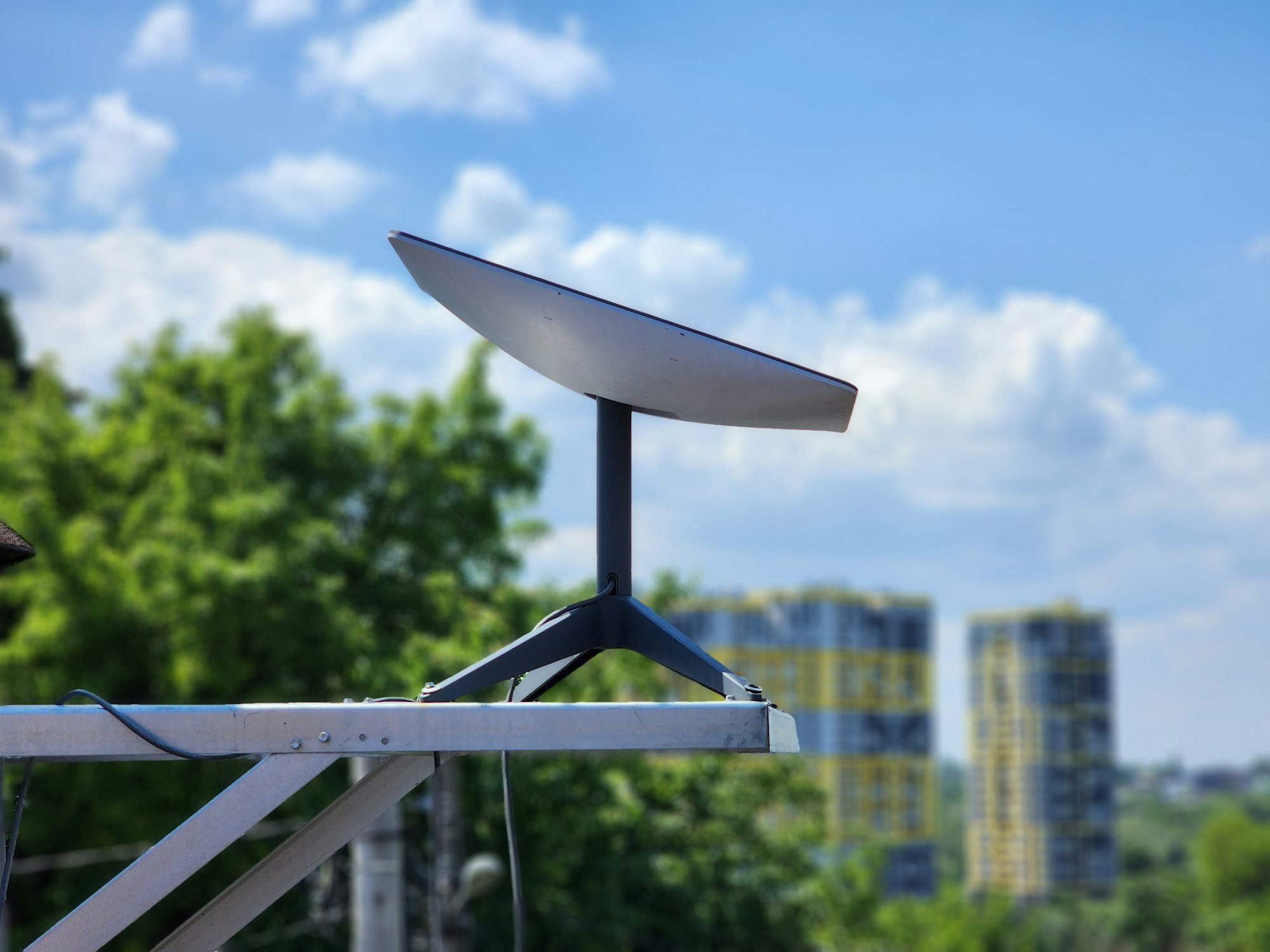
Yet the conversation is more than technical. Critics warn that Starlink’s minimal local infrastructure could mean revenue flows out of the country without delivering proportional economic or employment benefits. Concerns about national control over critical digital infrastructure linger, with some arguing that a powerful foreign operator could undermine sovereignty in ways traditional telecoms cannot.
While the market itself is already competitive. MTC and Telecom Namibia dominate it, and Paratus Namibia recently launched its own private 4G/5G mobile network in September 2025. Starlink’s satellites would enter this landscape with the promise of speed and reach, but also with a new set of strategic implications. Every rural home that could gain connectivity represents opportunity, and potential dependence, on a foreign system.
The country must now decide how far it’s willing to open the door. Loosening ownership rules could accelerate digital access, power remote schooling, boost tourism, and unlock economic activity in overlooked communities. Yet it also tests how much control a nation is prepared to hand over in exchange for faster progress.
Public submissions close on 12 December, with a decision expected by the end of the first quarter of 2026. For a country where broadband has long been a luxury for the few rather than the norm, Starlink’s next steps could reshape the digital map, and the debate about who truly controls it.
 Louis Eriakha