



In the past few cycles of drops, smartphone progress has felt predictable. Each release promised faster chips, better cameras, and bigger numbers. In 2025, that changed. The most important upgrades weren’t about power or design, but about how phones fit into everyday life.
Phones lasted longer on a charge. Cameras got better. AI worked quietly in the background, handling routine tasks without getting in the way. Foldables finally became practical; software support stretched further, and screens got brighter, significantly making them easier to use outdoors.
All of this combined reset expectations of what a phone is supposed to be. In so many ways, 2025 was the year when smartphone makers stopped trying to impress and started trying to help. For people who rely on their phones for work, creativity, etc., that mattered more than any sleekness any manufacturer could have offered.
These are the 10 best smartphone features of 2025, not just because they were new, but because they made the smartphone experience better.
1. Silicon-carbon Anode Batteries
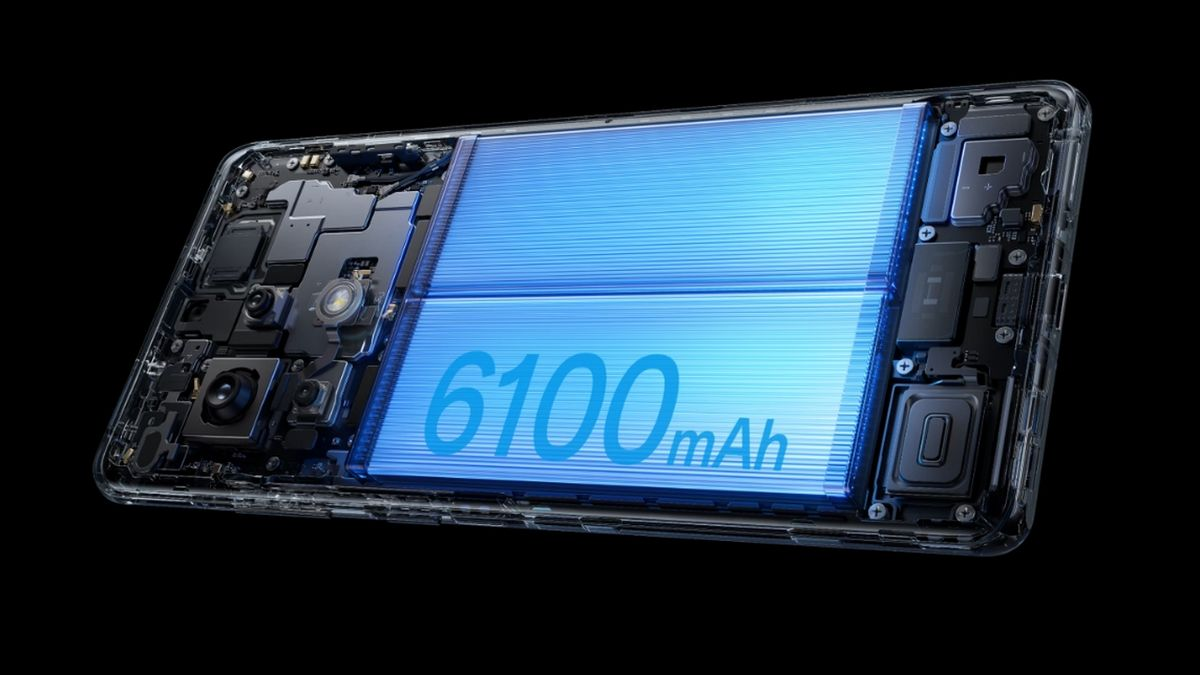
For a decade, we’ve been stuck on the lithium-ion batteries, capping out around 5,000mAh. For anything beyond that, you’re asking for a phone the size of a brick. That changed this year as manufacturers like Oppo and OnePlus successfully replaced traditional graphite anodes with silicon-carbon.
Because silicon holds significantly more lithium ions, which determines the capacity of phone batteries, devices like the Oppo Reno 15c and the OnePlus 15 that came with the Silicon-carbon Anode Batteries stunned us with 6,500mAh capacities. For the first time, genuine two-day battery life for power users wasn't just a marketing claim; it became a reality.
2. "Agentic" On-Device AI

In our review of the Pixel 10, we saw that Google’s Tensor G5 chip wasn’t just retrieving information; it was taking action. This is the definition of “Agentic AI.” Unlike older assistants that could only read you the weather, this new system uses the Neural Processing Unit (NPU) actually to operate your apps for you.
Whether you copped the Google Pixel 10 Pro or the Samsung Galaxy S25 Ultra, you could tell your phone to "book a ride to the airport for my flight," and the device will cross-reference your email for flight times, check traffic, and stage the booking in Uber, all locally on the phone with your privacy uncompromised.
3. The "Tri-Fold" Display
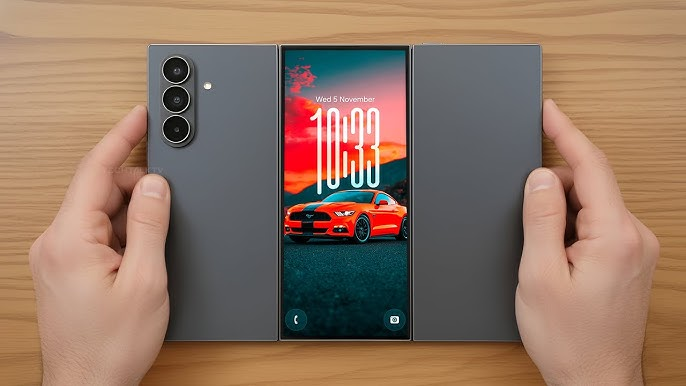
Foldables have been going mainstream for a while, but 2025 was the year they evolved beyond the simple "book" design. As we discussed during Samsung's Unpacked event in July, the dual-hinge architecture of the Samsung Galaxy G Fold (Tri-Fold) has finally bridged the gap between the phone and the tablet.
By allowing the device to unfold into a legitimate 10-inch workspace, these devices have effectively eliminated the need for carrying a separate iPad or Galaxy Tab, proving that screens can be massive without being burdensome.
4. 3,000-Nit "Real World" Displays
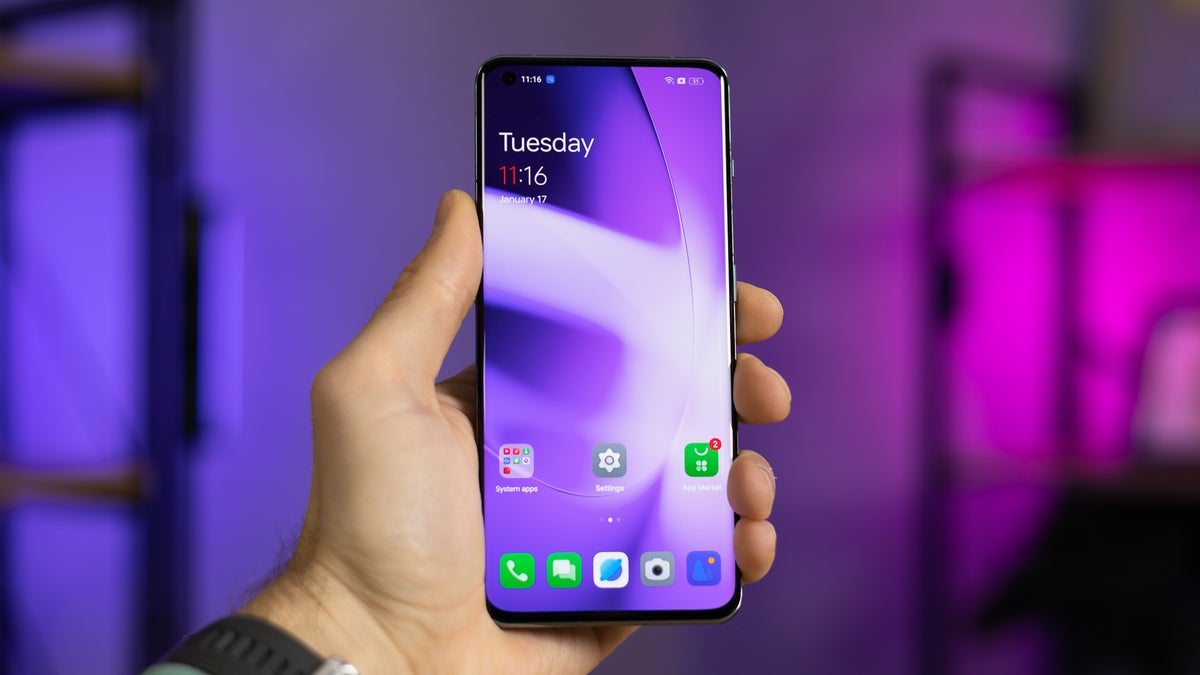
Display brightness used to be a theoretical number achieved only in tiny windows during HDR playback, but in 2025, it became practical. Using Tandem OLED stacks, a technology that layers two organic pixel sheets to double brightness and extend lifespan, flagships like the iPhone 17 Pro and the Oppo Find X9 Pro are hitting sustained peaks of 3,000 to 3,600 nit displays.
The result is an almost perfect visibility even under direct, harsh sunlight, coupled with adaptive refresh rates that drop to 1Hz to save power when users are just reading text.
5. Satellite Messaging 2.0
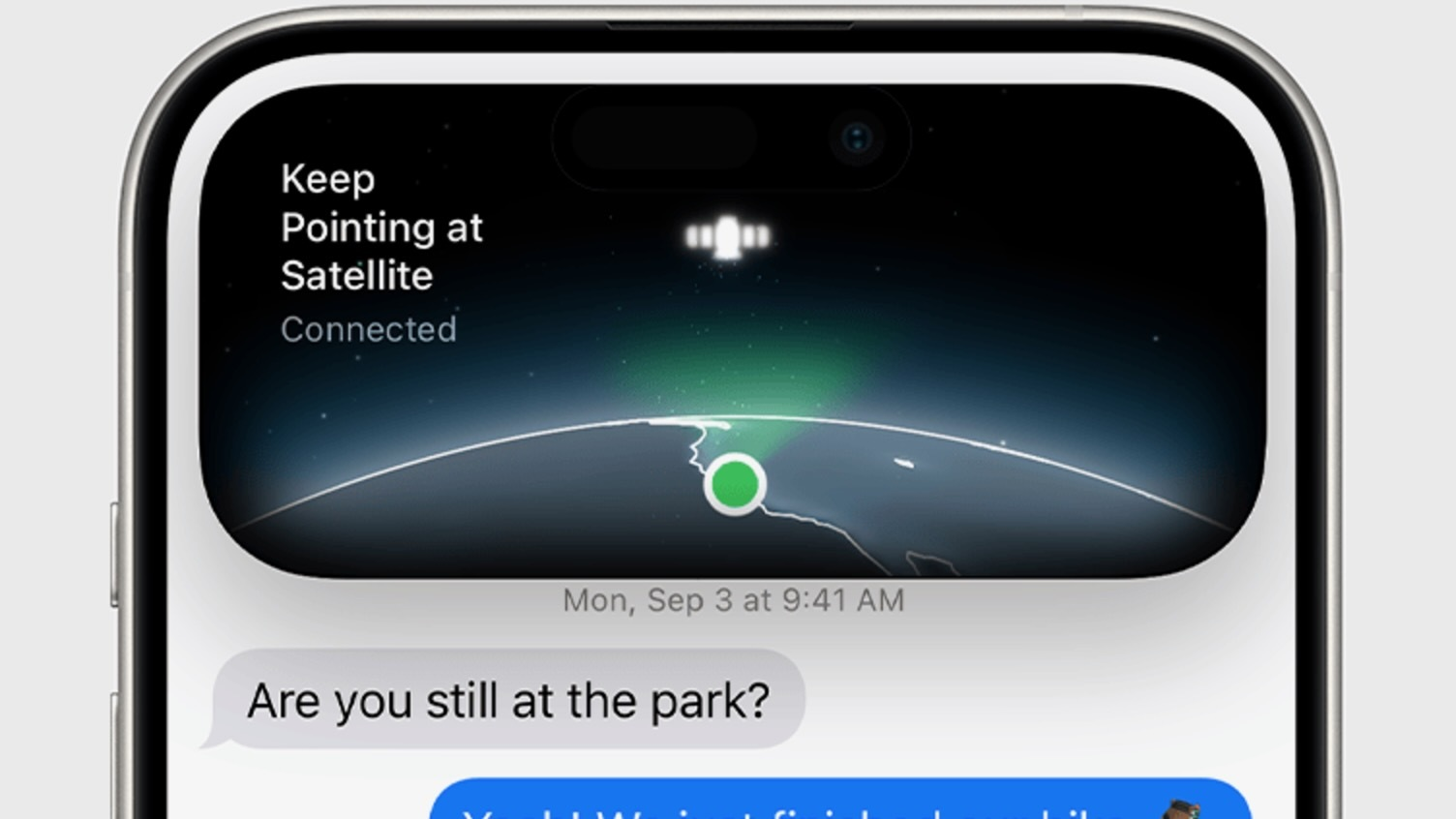
Connecting to a satellite used to require a chunky, specialized antenna and an expensive subscription. This year, partnerships between carriers like T-Mobile and satellite providers like Starlink brought "Direct-to-Cell" technology to the masses.
With standard modems inside the iPhone 17 lineup and the Samsung Galaxy S25 series, users can now text friends and send locations from the middle of the ocean or deep within national parks, effectively rendering "dead zones" extinct without extra hardware.
6. Variable Telephoto Cameras
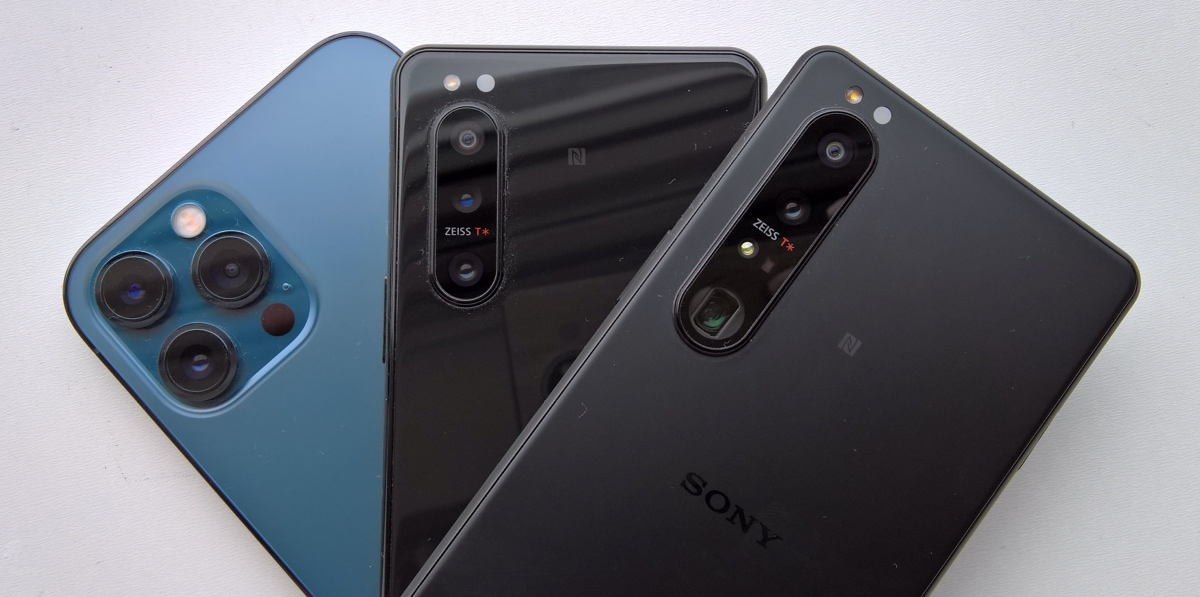
As noted in our Oppo Find X9 Pro vs. OnePlus 15 comparison, the era of fixed "3x" or "5x" lenses is ending. 2025 saw the proliferation of moving internal lens groups that physically zoom between focal lengths, much like a traditional DSLR lens.
Devices like the Sony Xperia 1 VII and Xiaomi 17 Ultra utilise this to provide sharp, lossless optical images at any point between 3.5x and 5x. This grants creators professional framing freedom, eliminating grainy digital crops.
7. Qi2 Magnetic Wireless Charging

It took long enough, but the magnetic charging standard (based on Apple's MagSafe) finally went global this year, creating a near-unified charging ecosystem. Android heavyweights, including the Google Pixel 10 and the entire Galaxy S25 family, adopted the Qi2 standard, allowing chargers to snap magnetically into perfect alignment every time.
This seemingly small change has drastically improved charging efficiency, reduced heat, and opened up a universal market of magnetic wallets and car mounts for all users, regardless of their OS.
8. Longer Software Lifecycles
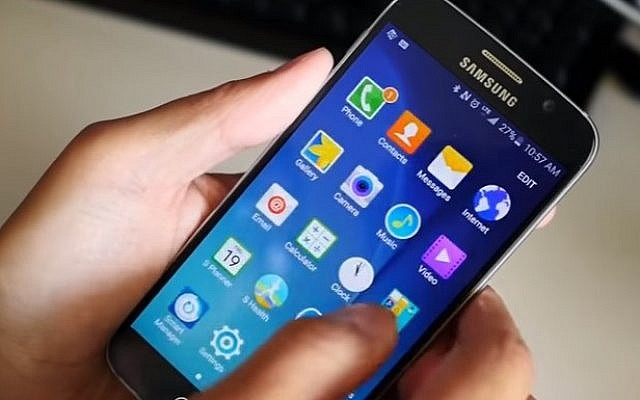
When you spend over $1,000 on a phone, it shouldn't have an expiration date of two years. As highlighted in our Techloy Readers' Choice Awards announcement, sustainability has become a top priority, driving Google and Samsung to standardise the 7-year OS update policies.
This commitment ensures that a Galaxy S25 bought today will be running Android 23 securely in 2032, signalling the end of planned obsolescence in the premium sector.
9. Titanium & "Armour" Glass
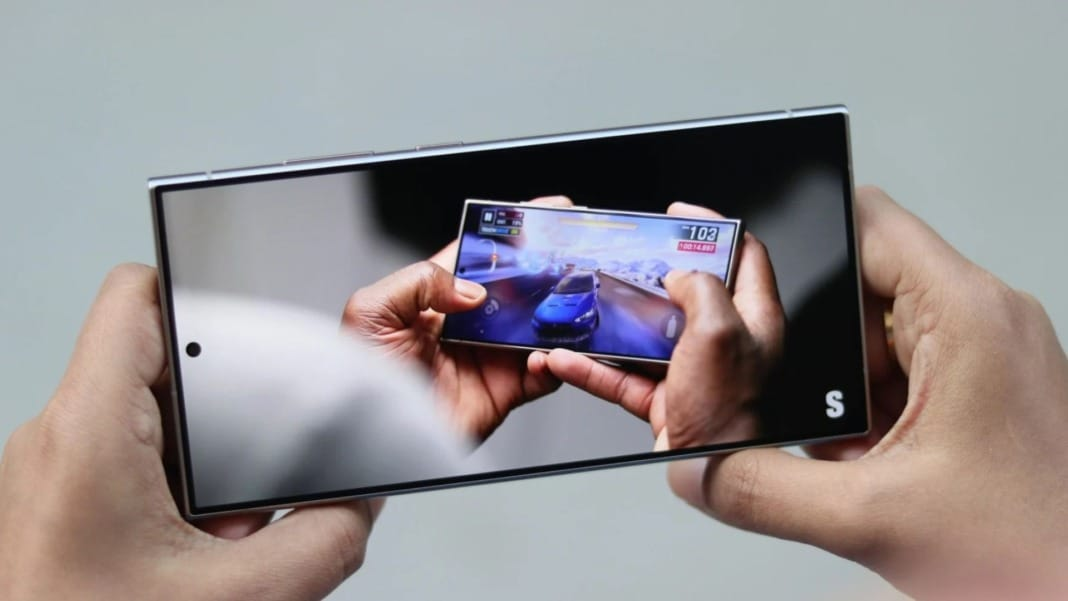
The shift away from heavy stainless steel toward aerospace-grade materials has redefined durability. We saw this most clearly in our drop tests of the iPhone 17 Pro Max, where the Titanium frame significantly reduced the weight while proprietary glass structures, like the Gorilla Glass Armour 2, virtually eliminated reflections and micro-scratches.
This combination has emboldened more users to go case-free, trusting the hardware to survive the rigours of daily life.
10. Desktop-Class Ray Tracing
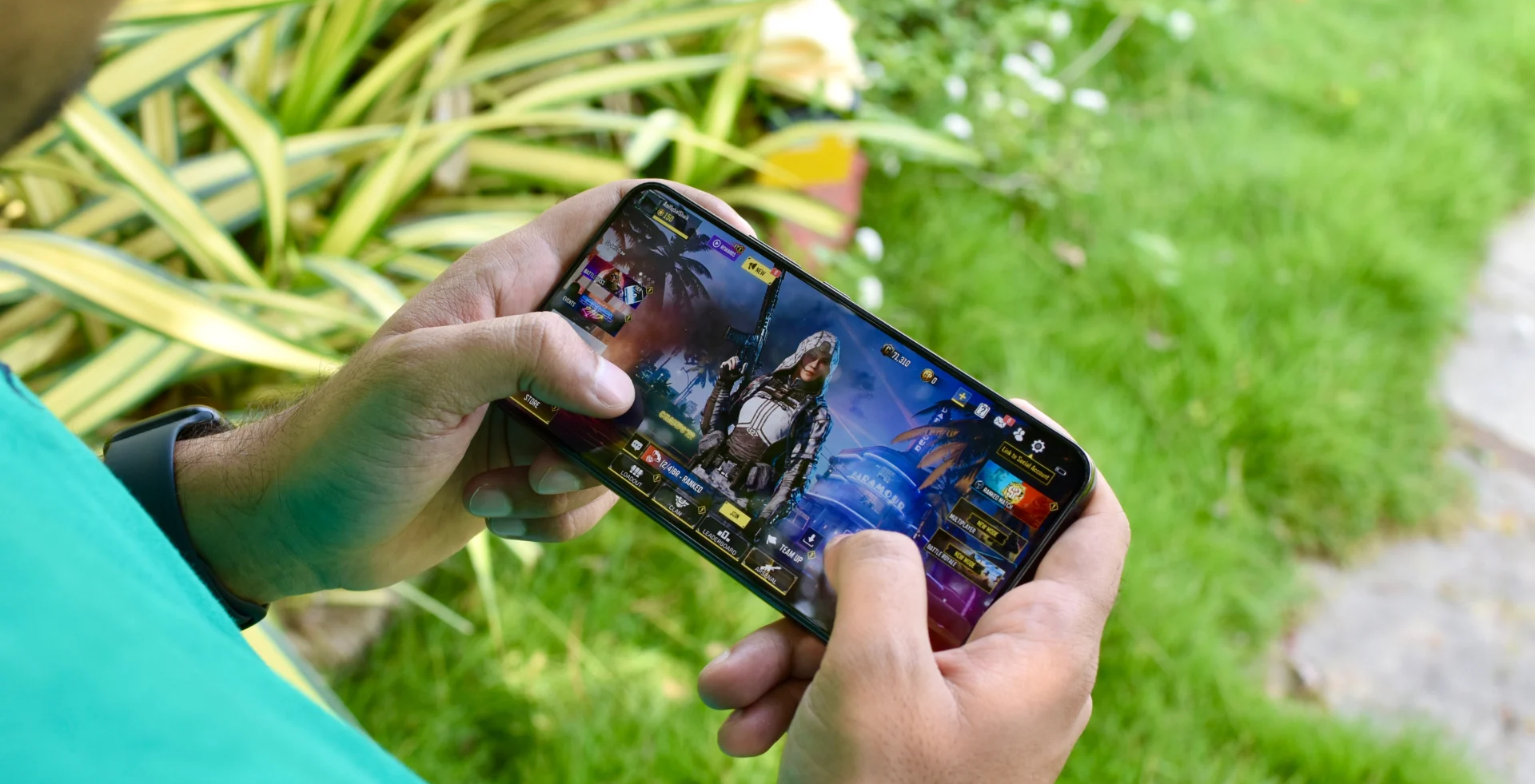
Mobile gaming is no longer just a way to kill time; it is a visual spectacle. The Snapdragon 8 Elite and Apple A19 chips brought hardware-accelerated ray tracing, a lighting technique previously reserved for PCs, to the masses.
On gaming-centric devices like the RedMagic 10 Pro and Asus ROG Phone 9, this tech delivers realistic water reflections, shadows, and global illumination, effectively turning the smartphone into a high-fidelity portable console.


