Introduction
Modern retail runs on a network of technologies that most shoppers never notice. From AI-powered inventory systems to automated fulfillment and smart pickup solutions, these tools keep shelves stocked, orders moving, and customers satisfied.
While self-checkout and contactless payments often grab the spotlight, they're only part of the story. Connected supply chains, predictive analytics, and customer intelligence also play a vital role in modern retail. Together, these technologies are driving the shift explored in The Rise of eCommerce and Smart Retail.
AI That Keeps Products Available and Shelves Stocked
Artificial intelligence has become one of the most valuable tools in retail operations. It analyzes sales history, seasonal demand, promotions, and buying patterns to forecast inventory needs with greater accuracy. The result is fewer stock shortages and less excess inventory.
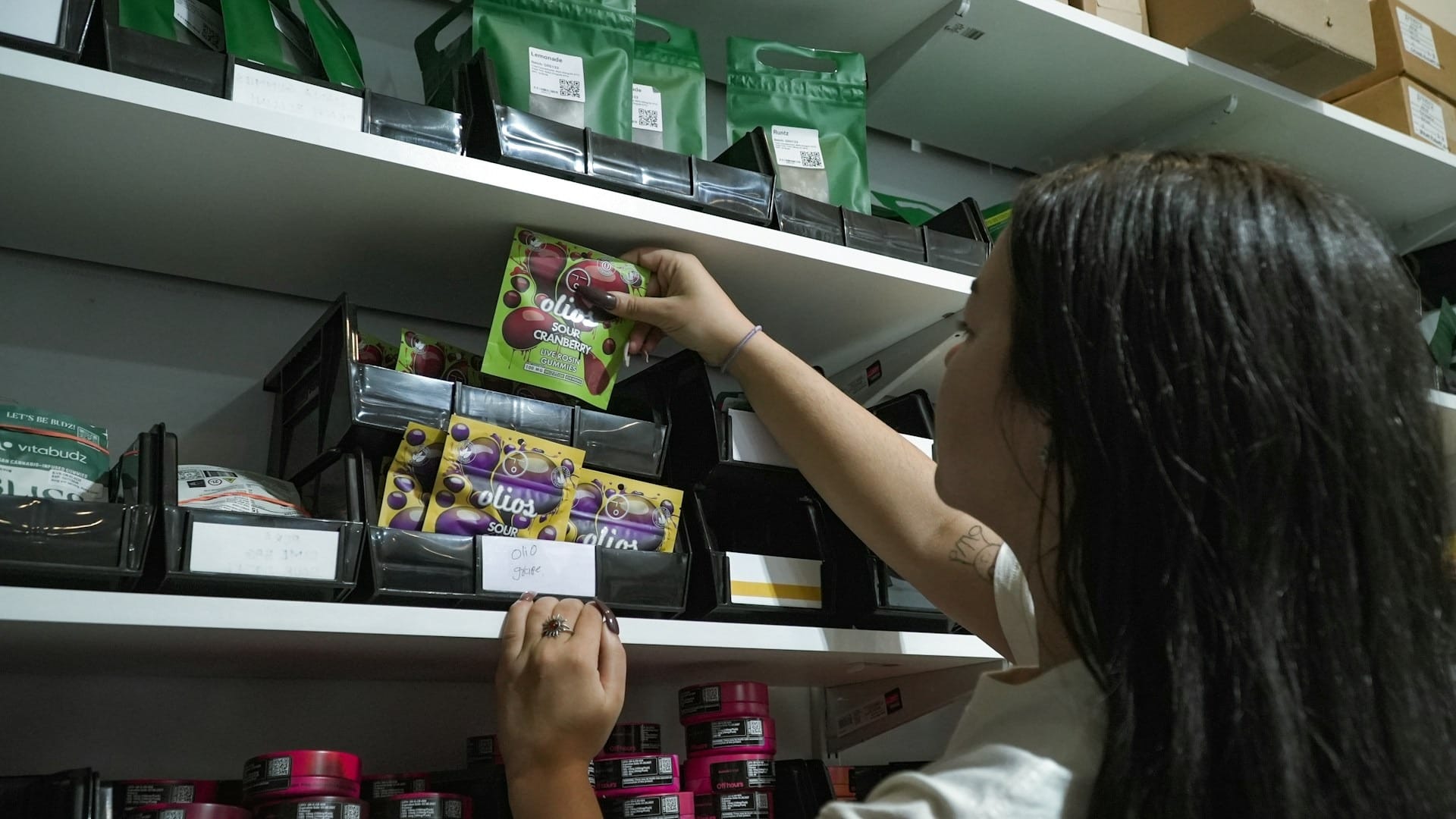
AI also provides real-time visibility into stock levels. Many retailers use AI-powered ERP systems to automate forecasting and inventory management, as explained in How AI-Powered ERP Systems Are Fixing Inventory and Supply Chain Chaos. When stock runs low, the system can trigger replenishment or alert managers before shelves become empty.
The benefits extend across the entire supply chain. Better forecasts reduce waste, improve purchasing decisions, and help suppliers plan more effectively. Most importantly, customers are far more likely to find the products they want when they need them.
Smart Checkout Is Eliminating Friction
Checkout has become a key part of the overall customer experience. Retailers are investing in technologies that reduce waiting times, simplify payments, and remove unnecessary steps from the purchasing process. The goal is to make completing a purchase feel almost effortless.
- Self-checkout systems allow customers to scan and pay for items independently, reducing queues and helping stores handle busy shopping periods more efficiently.
- Contactless payments through cards, smartphones, and digital wallets speed up transactions while providing a secure and familiar payment method.
- Cashierless shopping combines computer vision, sensors, and AI to identify purchases automatically, allowing customers to leave without using a traditional checkout.
As these technologies mature, checkout is becoming less of a bottleneck and more of a seamless part of the shopping journey. Faster transactions improve customer satisfaction while increasing operational efficiency.
Connected Supply Chains Deliver Faster Fulfillment
Modern retailers rely on connected supply chains to keep products moving efficiently. Inventory systems, warehouses, stores, and logistics partners exchange data in real time, giving businesses a complete view of product availability across the network.
This visibility enables faster and more accurate order fulfillment. Retailers can route orders from the nearest location with available inventory, reducing delivery times, lowering shipping costs, and minimizing fulfillment errors. Customers benefit from quicker and more reliable service.
To strengthen your supply chain, synchronize inventory data across every sales channel and fulfillment location. Use real-time shipment tracking to identify delays early, and review fulfillment metrics regularly to uncover bottlenecks before they affect customers.
Customer Data Powers Personalized Shopping Experiences
Personalization has become an expectation rather than a luxury. Customer data allows retailers to deliver relevant experiences across digital and physical channels, making every interaction more useful and engaging. When handled responsibly, these insights strengthen long-term customer relationships.
- Personalized recommendations analyze browsing behavior, purchase history, and preferences to surface products that are most relevant to each shopper.
- CRM and loyalty platforms combine data from multiple touchpoints, giving retailers a unified view of every customer's journey.
- Omnichannel personalization ensures customers receive consistent offers, product information, and support whether they shop online, through a mobile app, or in-store.
The most effective personalization balances relevance with trust. Retailers should be transparent about data collection, protect customer privacy, and use insights to improve the shopping experience rather than overwhelm it.
Smart Pickup Solutions Are Redefining Order Fulfillment
Consumer demand for convenience has made flexible fulfillment a competitive advantage. Alongside home delivery, many retailers now offer Buy Online, Pick Up In Store (BOPIS), giving customers greater control over how and when they receive their purchases.
Smart pickup lockers take this convenience a step further. Customers can collect orders securely without waiting in line or relying on store staff. Solutions from Click n Collect help automate the pickup process, improve security, and reduce the operational burden on retail teams.
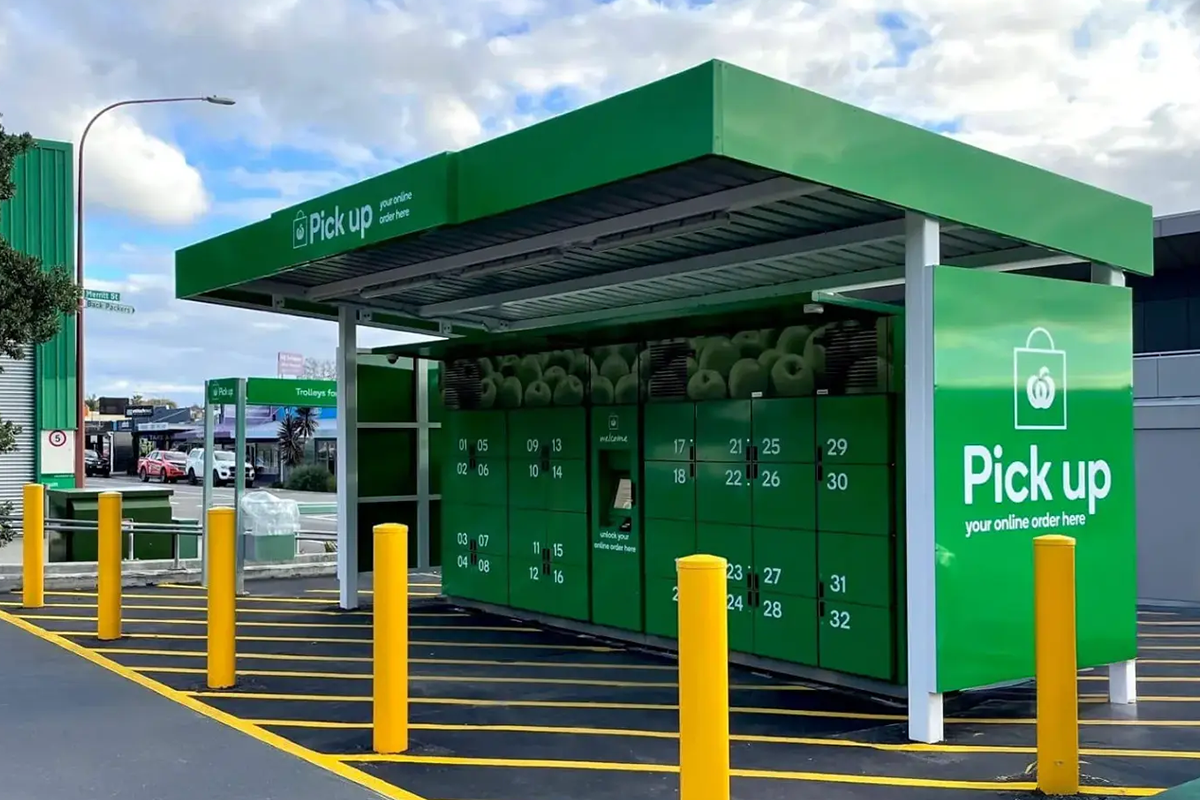
The benefits extend beyond convenience. Automated pickup reduces last-mile delivery costs, streamlines store operations, and makes order collection available outside traditional business hours. As retailers continue to invest in omnichannel fulfillment, smart pickup solutions will play an increasingly important role.
Conclusion
The modern retail experience is shaped by technologies working quietly behind the scenes. AI, connected supply chains, customer intelligence platforms, and smart fulfillment systems help retailers operate more efficiently while delivering the speed and convenience shoppers now expect.
As customer expectations continue to evolve, these technologies will become even more essential. Retailers that invest in automation, data-driven decision-making, and flexible fulfillment will be better positioned to improve customer satisfaction and compete in an increasingly digital market.