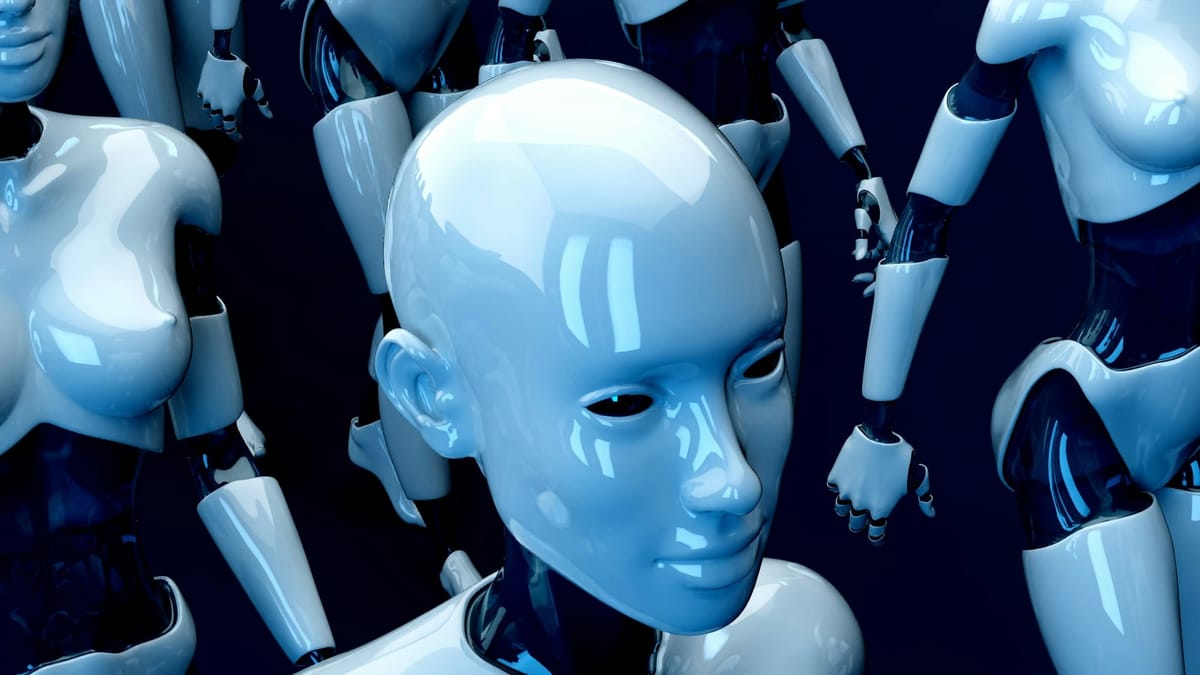



Every year at CES, you get a front-row seat to technology that still feels a little unreal. Robots are always part of that mix. Last year, it was Samsung’s Ballie, the Apollo robot, and Jennie the robot dog that caught attention, each hinting at how machines might fit into everyday life.
CES 2026 followed the same pattern. From home assistants to industrial machines, many of the robots on display are powered by AI, showing how robotics is moving beyond simple automation and into what the industry now calls physical AI.
Here are the most interesting robot announcements from CES 2026:
CLOiD
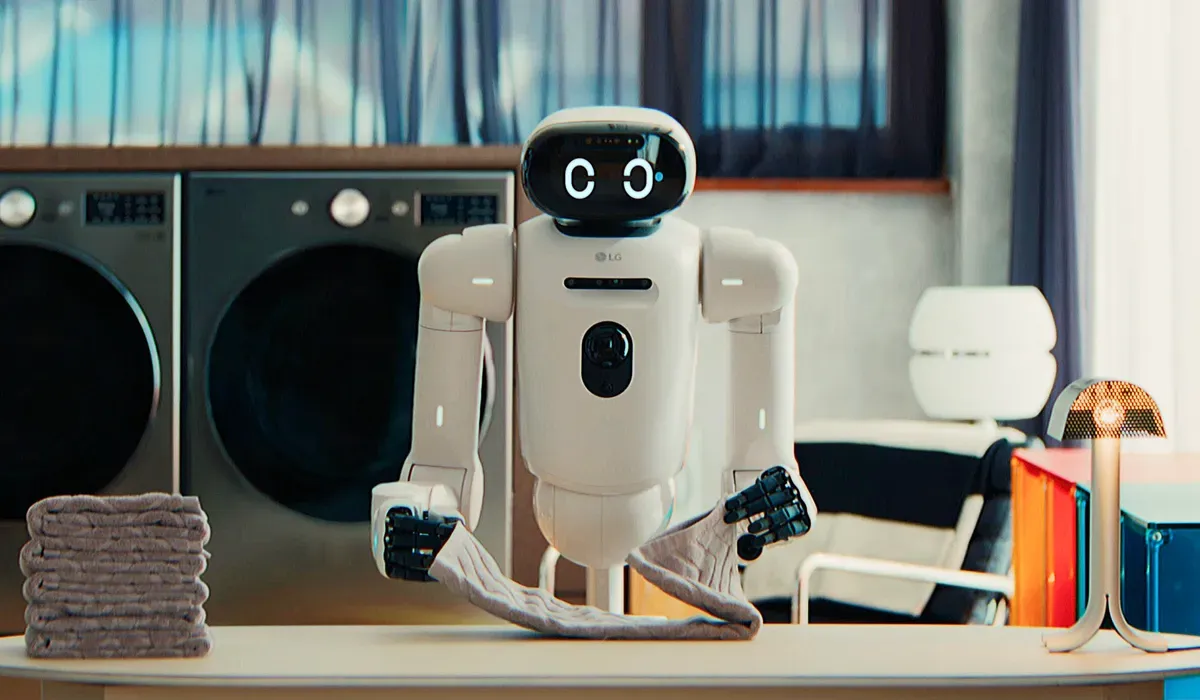
Imagine a robot that can cook, do your dishes and even do your laundry. That’s what CLOiD, LG’s latest robot, promises. Although CLOiD is not the first robot device to make such a promise, what makes it different is that CLOiD combines artificial intelligence with vision-based technology to perform household tasks, such as cooking, laundry and more.
It looks like a humanoid robot, with two arms, a head, a torso, and wheels moving it around. LG describes CLOiD as an all-in-one robot, which can be very effective when it comes to carrying out home tasks.
Boston Dynamics Atlas
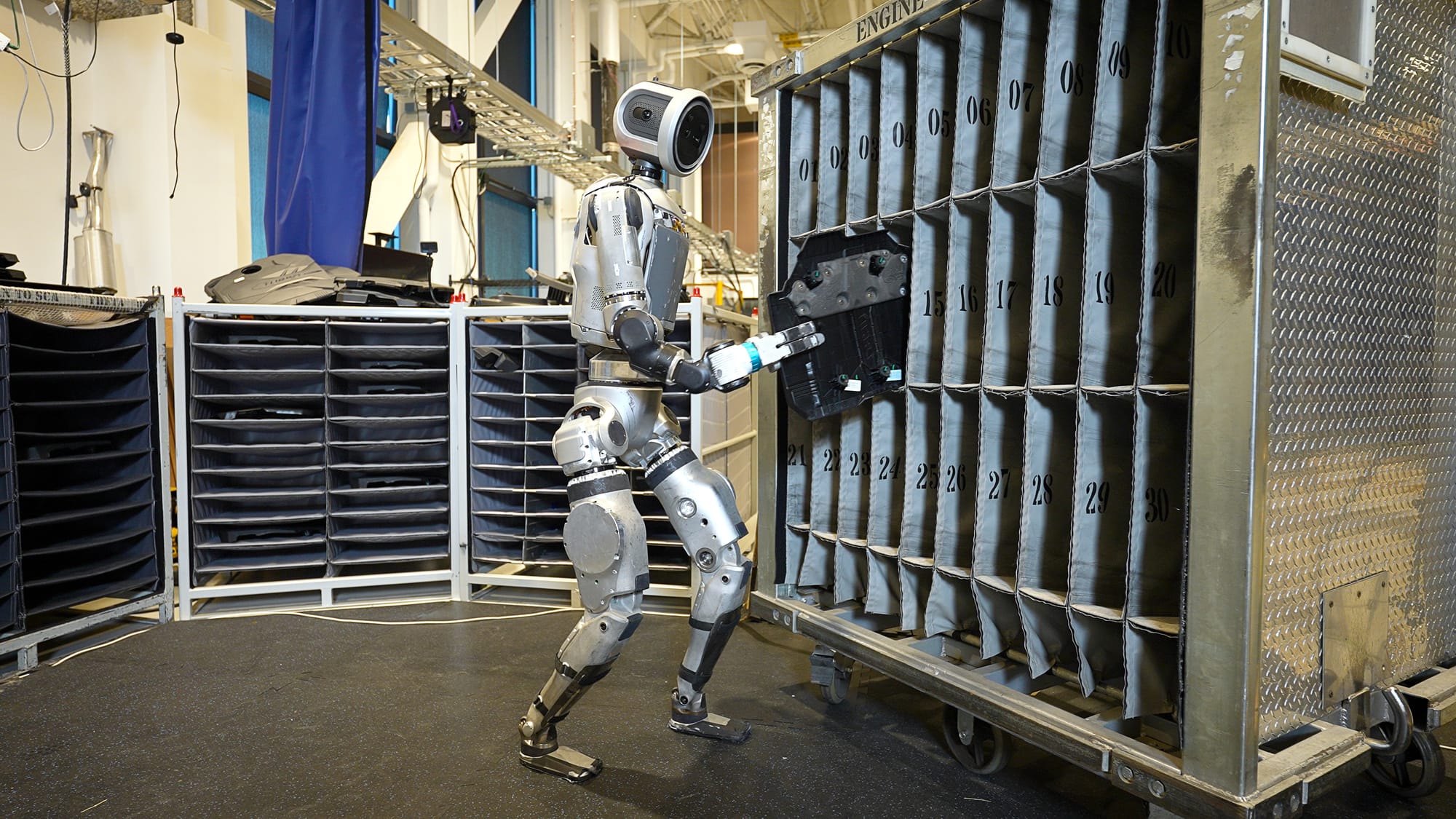
Boston Dynamics didn’t just bring Atlas back to CES, it showed what happens when robots start moving less like machines and more like human workers. The company’s latest Atlas prototype walks with a smoother, more fluid gait than any version before it, powered by 56 degrees of freedom, fully rotational joints, and hands capable of feeling what they touch.
Under the hood, the hardware is faster, stronger, and far more dexterous, but that’s only part of the story. Hyundai, Boston Dynamics’ parent company, also announced a partnership with Google DeepMind, opening the door for future robots powered by Gemini.
While Atlas itself is being built for repetitive, assembly-line tasks at Hyundai’s Savannah, Georgia plant, the deeper shift is clear: robotics is moving from brute automation toward intelligence that can reason, adapt, and learn.
Sweakar
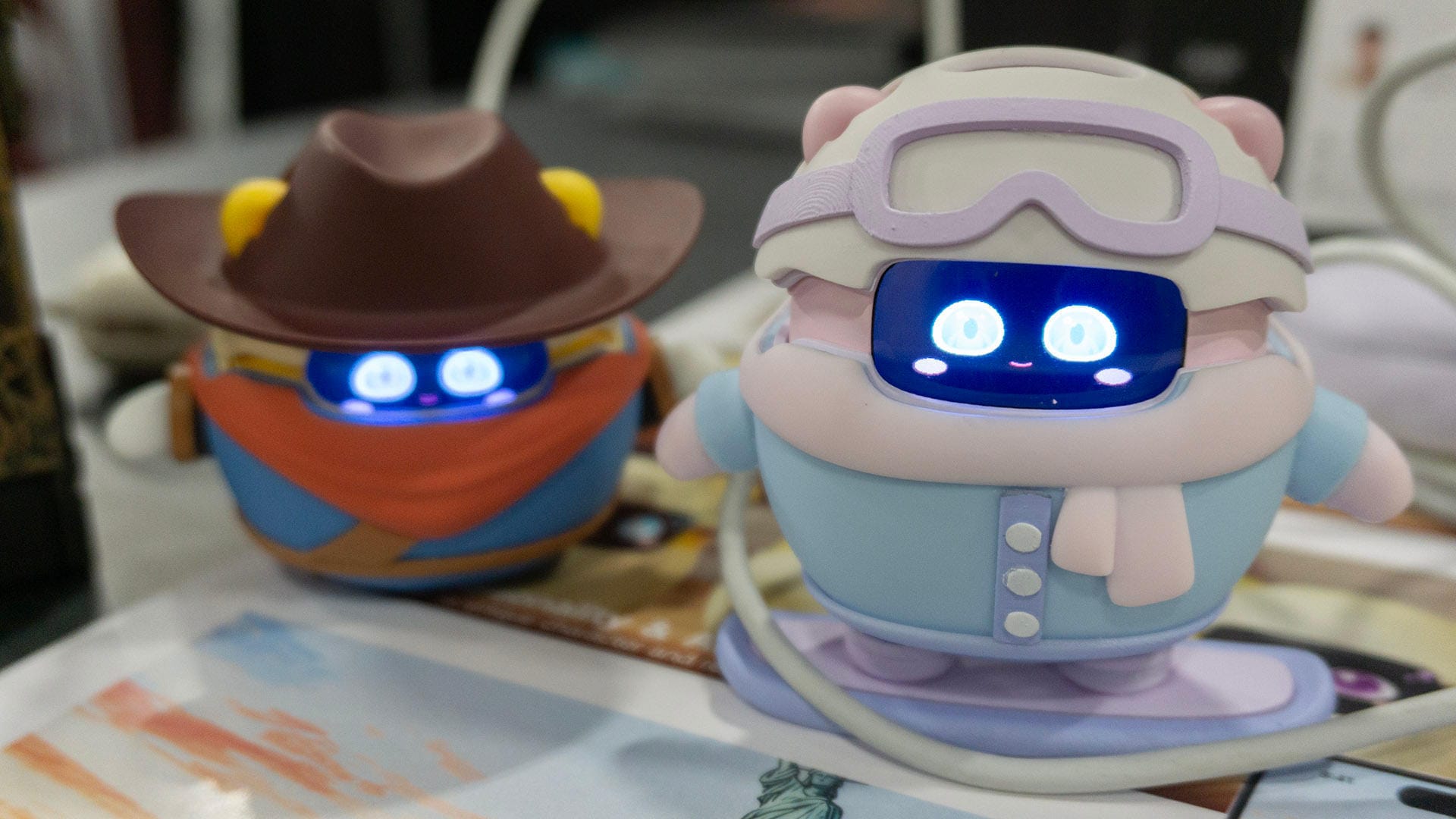
Not every robot at CES is trying to be productive. Sweekar by Takway AI leans fully into emotion, reviving the Tamagotchi idea for the AI age. It starts as a small egg with ears, then grows in size as it’s cared for, eventually hatching into a character whose eyes live on a built-in display.
The robot moves through three life stages:, baby, teenager, and adult — becoming more independent and intelligent as it matures. Attention matters. Neglect it, and the cycle ends, sending you back to the beginning.
Sweekar isn’t about productivity. It’s nostalgia with modern tech, arriving later this year on Kickstarter for $150.
Roborock Saros Rover
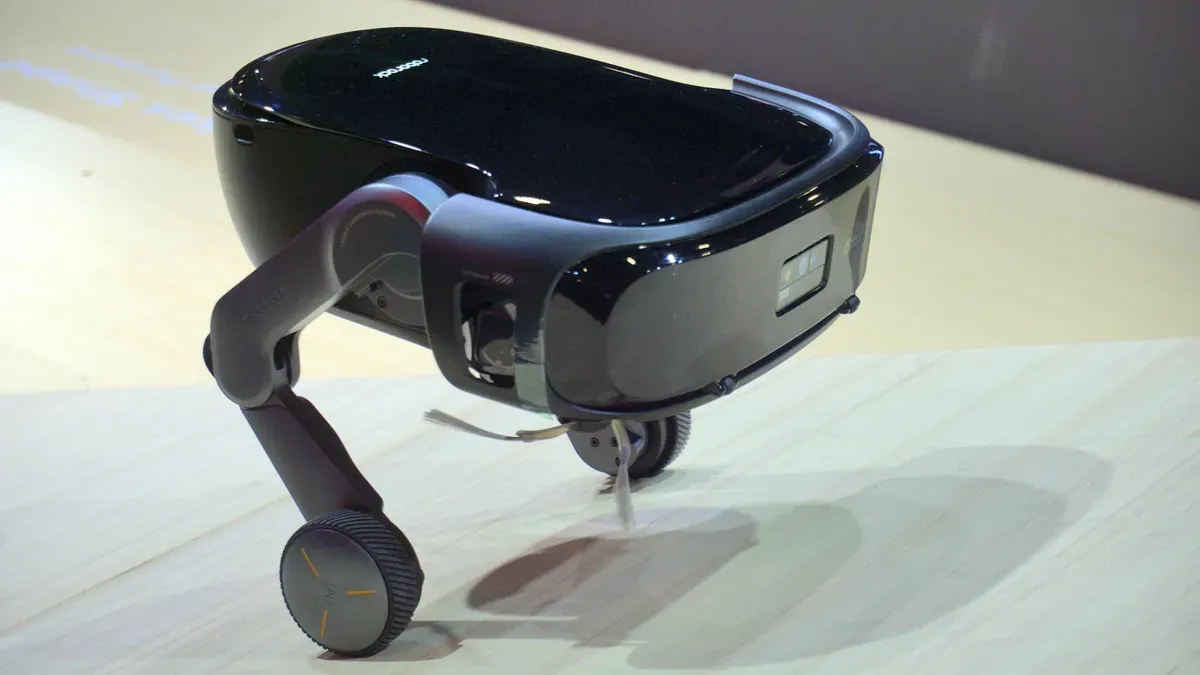
What started as a humble vacuum has become one of robotics’ trickiest challenges, and Roborock’s Saros Rover shows how far the technology has come. Unlike most robot vacuums that avoid stairs, Rover tackles them head-on, using angled legs to climb while cleaning each step along the way.
It’s not lightning-fast;, it took around 40 seconds to clear five large stairs during the demo, but the ability to handle obstacles this complex is a breakthrough in household robotics. Pricing hasn’t been revealed yet, though a launch above $2,500 seems likely.
 Louis Eriakha