



Image-to-image AI has become one of the most impactful areas in creative technology. Whether you're a designer refining concepts, a marketer producing rapid variations, or a photographer exploring new styles, these tools can turn hours of manual work into seconds.
The space has matured quickly, and 2026 is when it truly goes mainstream. Here are ten of the best image-to-image AI tools you should be using right now.
1. Pollo AI
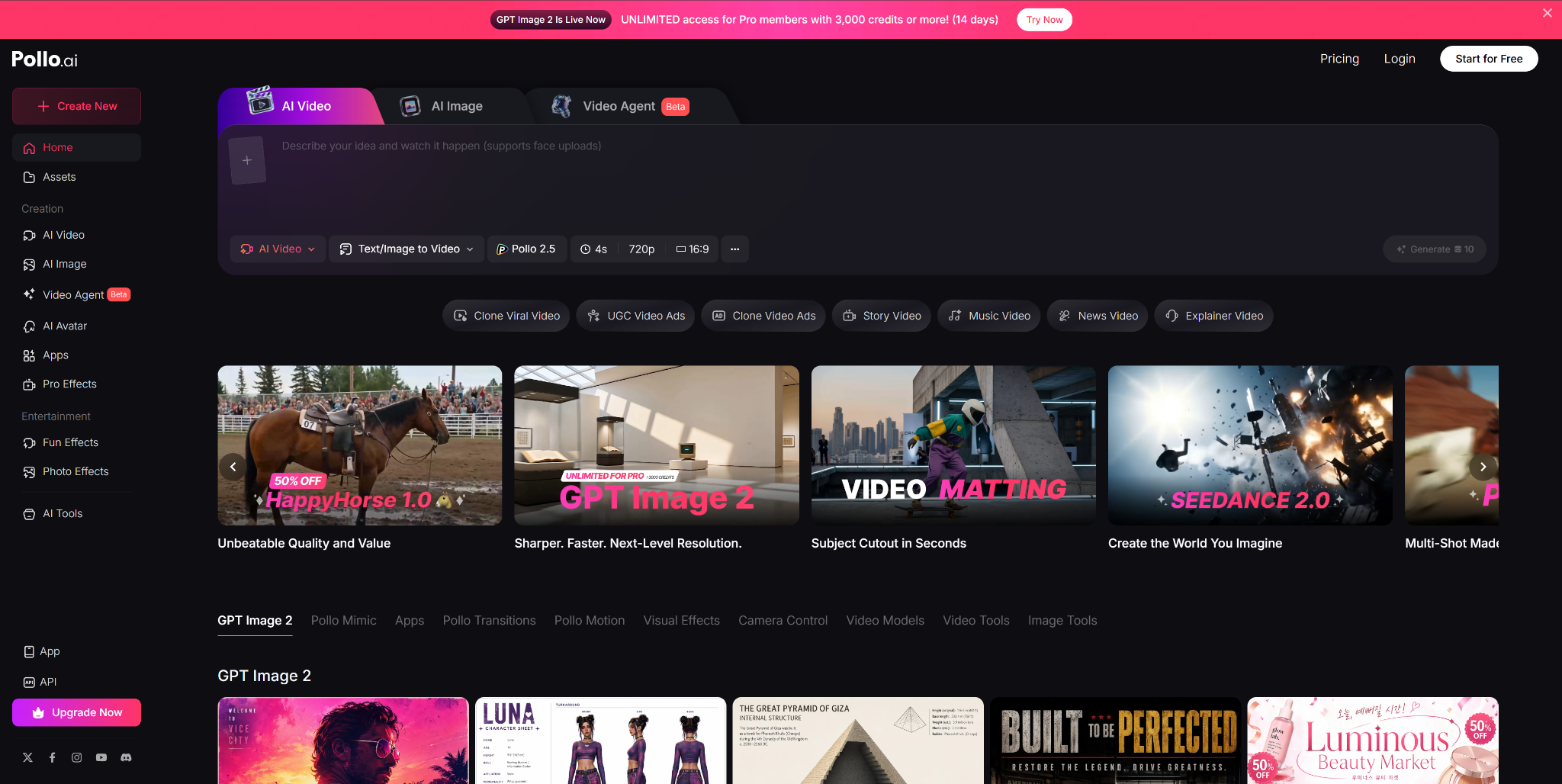
Pollo AI is a versatile AI creative platform, with image to image tool as one of its core strengths. It lets users upload a reference image and modify it using text prompts, style presets, or structural guidance—offering strong control without technical complexity.
What sets it apart is its all-in-one approach. Beyond image transformation, it includes text-to-image generation, AI video creation, and access to multiple leading models, allowing users to move from concept to final asset within a single platform.
The output quality is consistently reliable: style transfers feel natural, edits remain coherent, and it handles everything from photos to illustrations smoothly. Combined with a clean, beginner-friendly interface and a 4.4 Trustpilot score, Pollo AI stands out as a solid choice for AI-assisted creative workflows.
2. DeepDream Generator
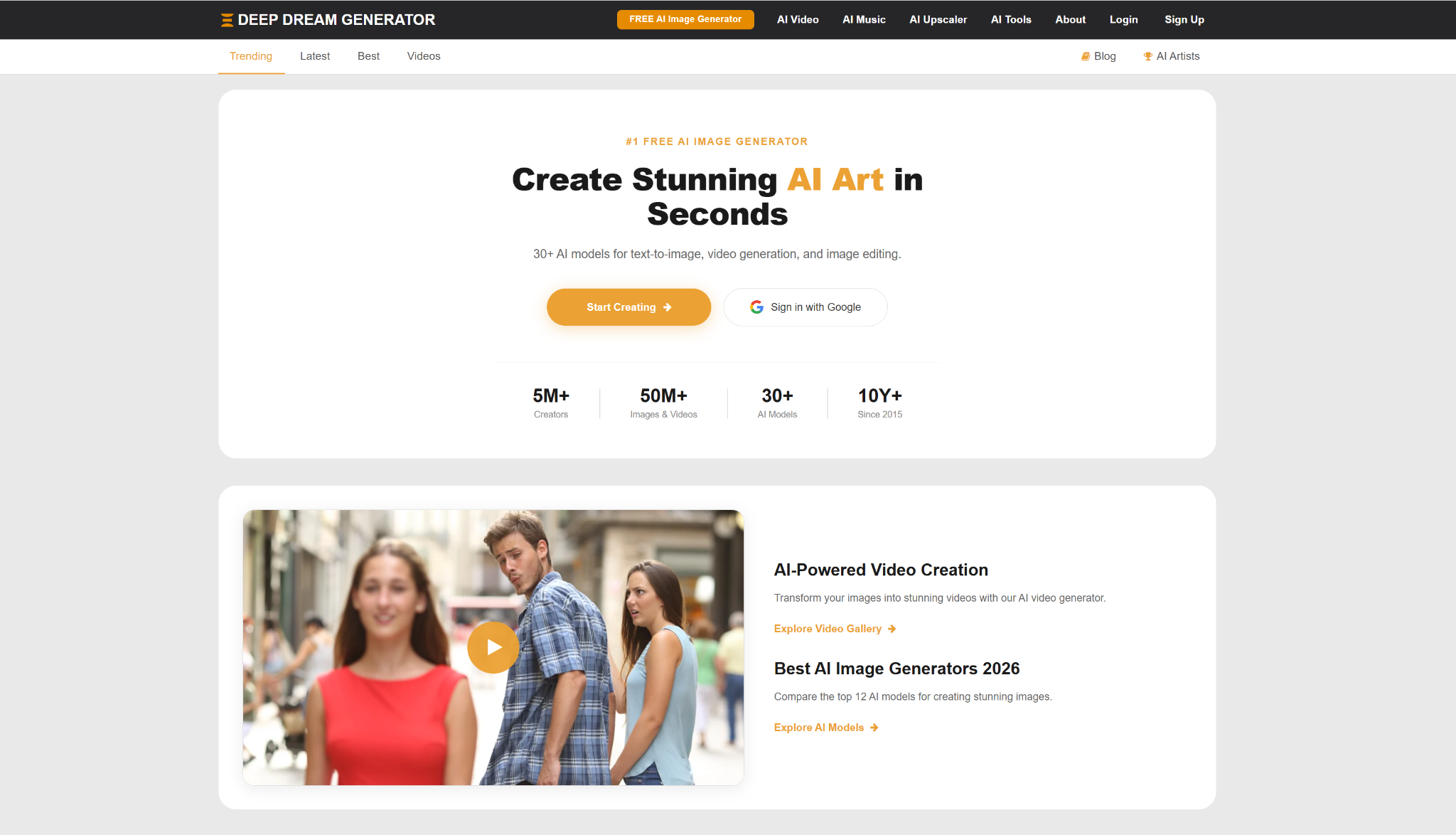
Deep Dream Generator has built lasting credibility and remains one of the more distinctive image-to-image tools in 2026. Inspired by Google’s DeepDream research, it has evolved into a full-featured style transfer platform.
Its core function is simple: upload a content image, choose or add a style reference, and blend the two. You get solid control over intensity and composition, with results ranging from subtle to highly stylized.
It also includes text-to-image generation and a large library of styles, plus an active community gallery for inspiration. With a straightforward interface, reasonable processing speed, and a usable free tier, it’s still a strong choice for creators who want proven results and a unique visual style.
3. Adobe Firefly
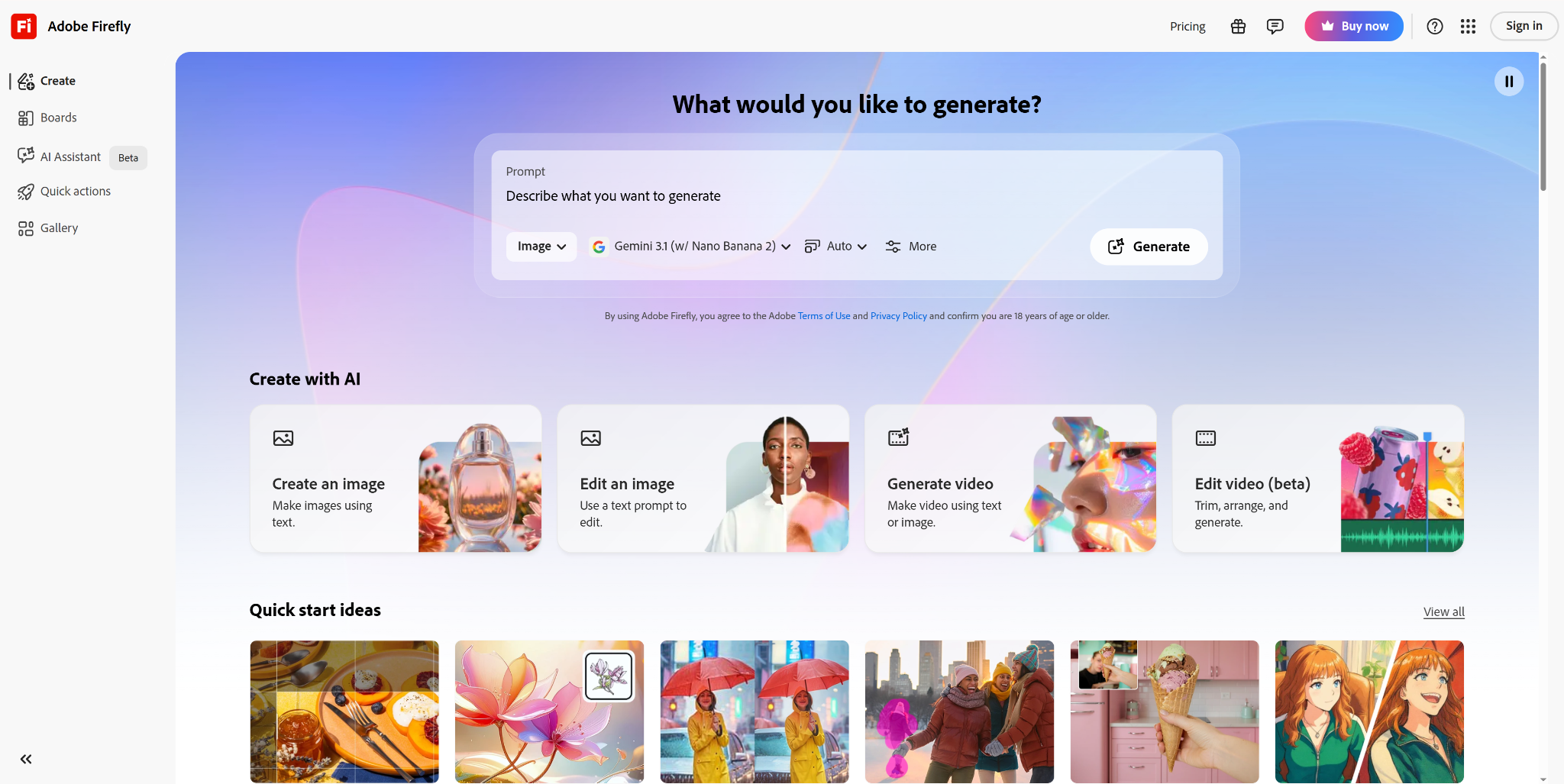
Adobe Firefly has become a core part of many professional creative workflows, with some of the most refined image-to-image capabilities available. Integrated into the Adobe Creative Cloud ecosystem, it enables transformations through generative fill, style matching, and structure-guided generation—working seamlessly with tools like Adobe Photoshop.
Its biggest advantage is its training data. Backed by Adobe’s focus on licensed, commercially safe content, Firefly is one of the few AI image tools suitable for client work without IP concerns. The results are consistently clean, detailed, and coherent, making it feel like a natural extension of existing Adobe workflows rather than a separate tool.
4. Stable Diffusion
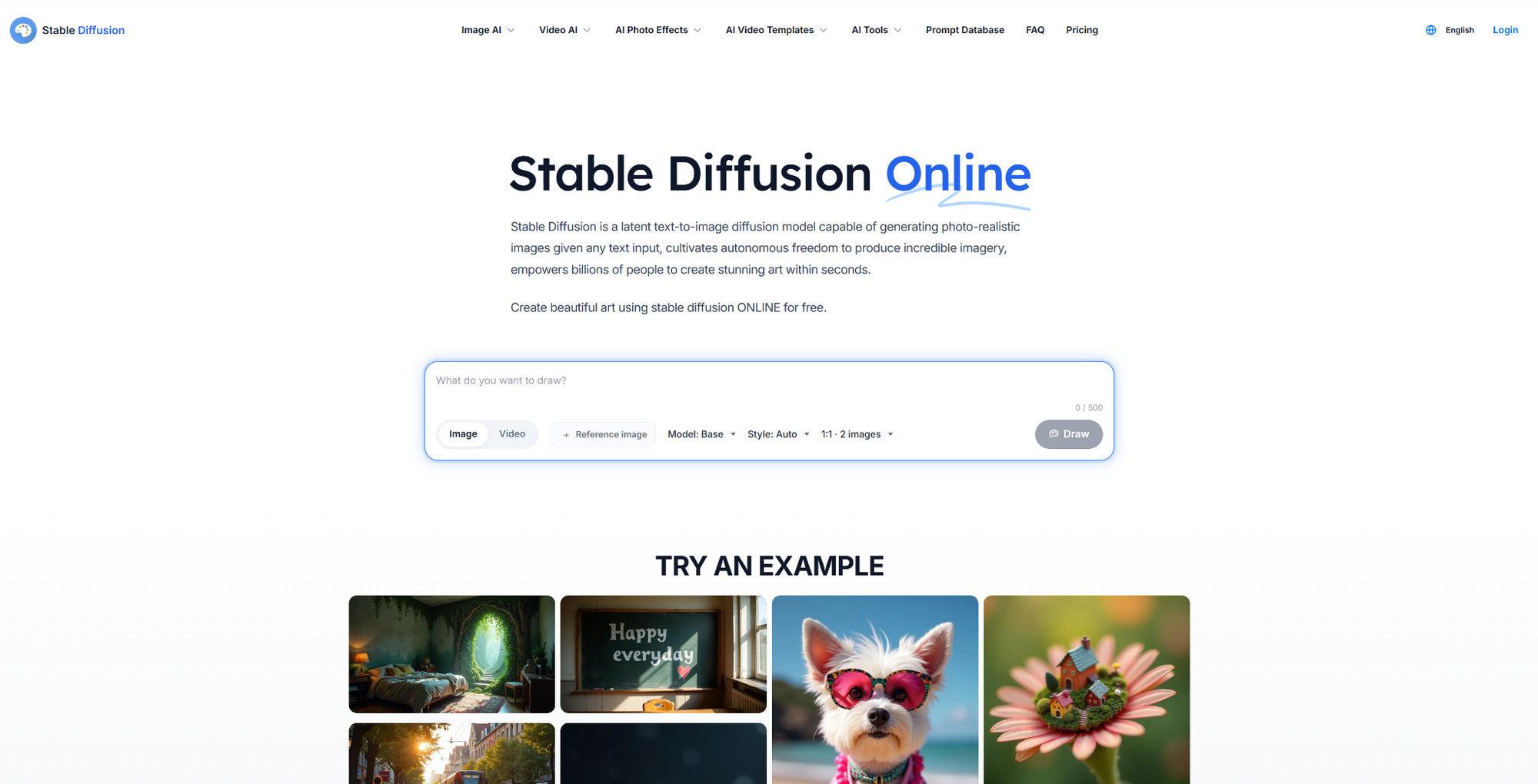
Stable Diffusion remains the go-to choice for users who want maximum control over image-to-image transformations. As an open-source model, it can run locally or through web interfaces, using an img2img pipeline where a reference image and text prompt are combined, with a denoising parameter controlling how closely the output follows the original.
The downside is a steeper learning curve and the need for solid hardware or cloud setup. But for technically inclined creators who want full control and flexibility, Stable Diffusion is still the most powerful option available.
5. Midjourney
Midjourney has built a reputation for producing the most aesthetically striking AI imagery, and its image-to-image function lives up to that standard. Users can upload a reference image and combine it with a text prompt, with the platform blending the visual composition of the reference with the stylistic direction of the prompt.
The results lean toward the artistic and painterly, which suits certain creative applications extremely well — concept art, editorial illustration, mood boarding, and brand identity exploration all benefit from Midjourney's distinctive visual sensibility. The platform has also introduced more granular controls in recent versions, including the ability to weight how strongly the reference image influences the output.
6. Runway ML
Runway ML has positioned itself as a professional-grade creative AI platform, and its image-to-image tools reflect that positioning. The platform offers a range of transformation features including style transfer, generative image editing, and structure-guided generation, all wrapped in an interface designed to fit into professional post-production and content creation workflows.
What sets Runway apart is the depth of its overall ecosystem. Image-to-image tools sit alongside video generation, motion brush, inpainting, and a growing suite of creative AI features that make it a comprehensive production environment rather than a single-purpose tool.
7. Canva AI
Canva's Magic Studio has brought powerful image-to-image AI capabilities to one of the world's most widely used design platforms, and the result is a tool that democratizes sophisticated image transformation for non-technical users at scale. Users can upload images and modify them using natural language instructions within Canva's familiar drag-and-drop environment.
The integration with Canva's broader design ecosystem is the platform's strongest selling point. Transformed images can be immediately dropped into templates, presentations, social media posts, and marketing materials without any export or format conversion friction. For businesses and marketing teams already using Canva, Magic Studio's image-to-image tools are a natural and highly practical upgrade.
8. Picsart AI
Picsart has evolved from a photo editing app into a full-featured AI creative platform, and its image-to-image tools have grown impressively. The platform offers style transfer, AI background replacement, image editing, and a range of artistic filters and transformations that go well beyond what traditional editing apps provide.
The mobile-first experience is where Picsart genuinely shines — the app makes sophisticated image-to-image AI accessible on a smartphone. The web platform has also matured significantly, offering more control and higher resolution outputs for users who need them.
Final Thoughts
The image-to-image AI space in 2026 offers something meaningful for every type of creator. Whether you're looking for the broadest all-in-one platform, the deepest technical customization, the most artistically distinctive outputs, or the most practical everyday utility, the tools on this list represent the genuine best of what's currently available. The technology is powerful, the access has never been easier, and the creative possibilities are genuinely exciting.


