Every January, CES (Consumer Technology Association) turns Las Vegas into a sneak peek of the future. Screens become super thin, AI gets smarter, and carmakers use this stage to showcase what driving might look like next.
2026 CES is no different, except that EVs are now fully rounded, intelligent machines that update remotely, connect with their surroundings, and handle more of the driving themselves.
Here are the most exciting EV announcements and technologies that shaped the conversation at CES 2026.
Aptiv Next-Generation ADAS Platform

Aptiv, the American automotive supplier, showcased its next-generation end-to-end (E2E) AI-powered ADAS platform on Tuesday at the event, designed to make autonomous driving safer and more adaptive.
Its E2E technology will utilise AI for its perception, fusion, and planning behaviours, which learns from real-life driving data, allowing it to improve and evolve over time.
The platform uses the "Gen 8" radars and 360-degree cameras to "see" everything around it—like pedestrians, other cars, and lane markings—even in bad weather or dark tunnels.
Aptiv Digital Cockpit
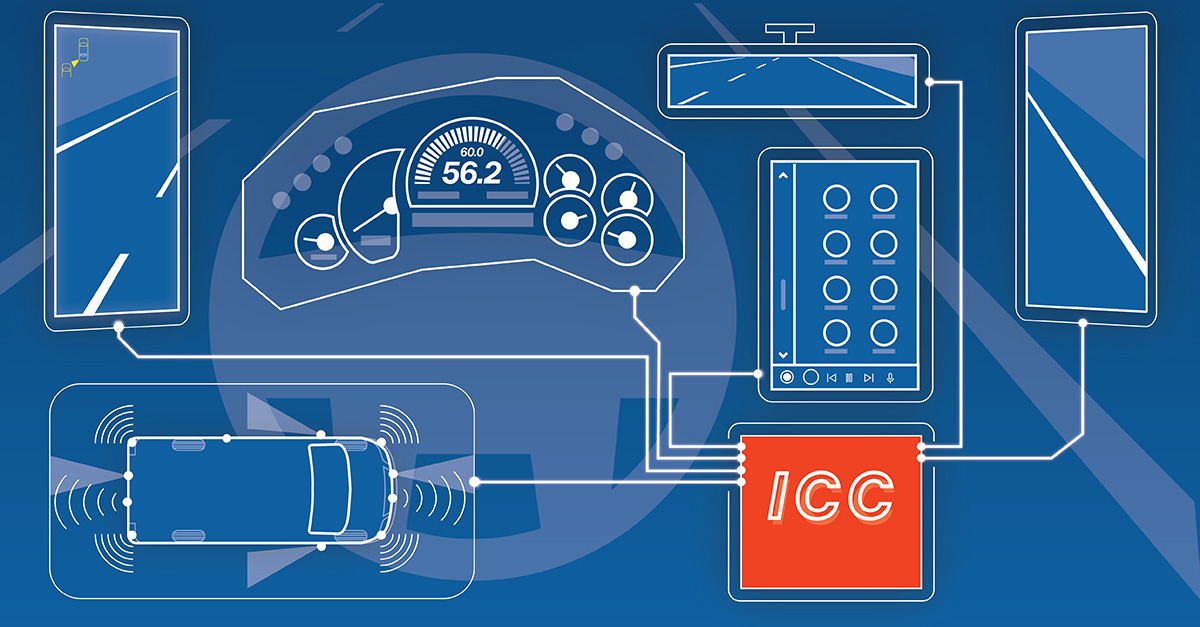
At CES, Aptiv also unveiled its latest Digital Cockpit technology, created to make driving safer and more comfortable. By combining Aptiv’s expertise in user experience, driver-assist systems, and vehicle software, it helps drivers and their cars work as partners during hands-free driving.
This keeps the driver aware and ready to take over when needed. It also adds a personalised and more innovative experience.
Sony-Honda’s AFEELA 1
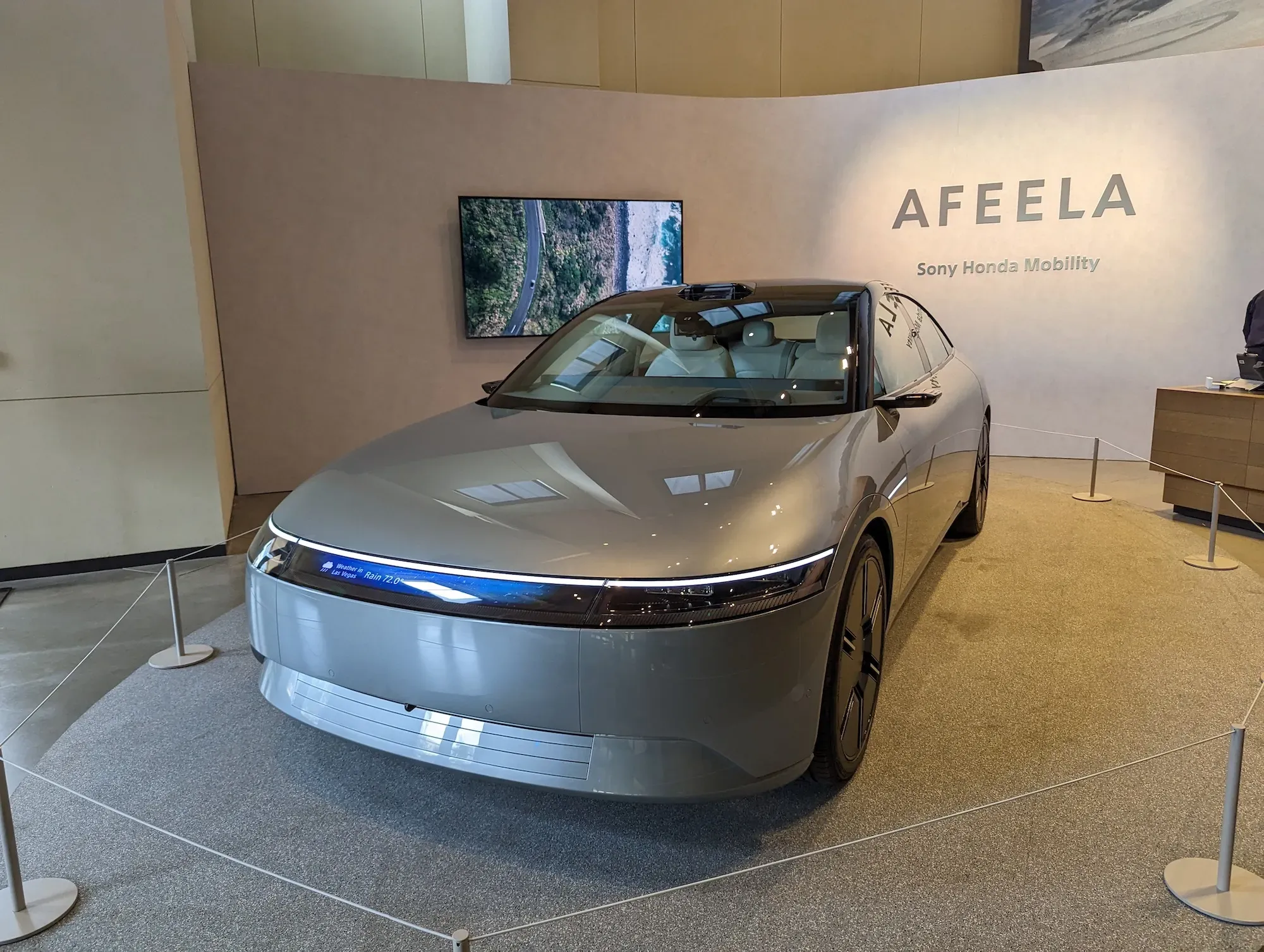
The EV from Sony-Honda Mobility is the AFEELA 1, which was first unveiled at last year's CES event. Sony-Honda Mobility returned to the CES stage this year with a new version of the car and a new concept vehicle.
Although the 2025 version of the AFEELA 1 looked road-ready, it is unknown what new features this year's version would look like or if there would even be any changes at all.
Production of their EVs is slated for 2026 and will be initially only available in California, per reports from SHM Group.
Mercedes GLC
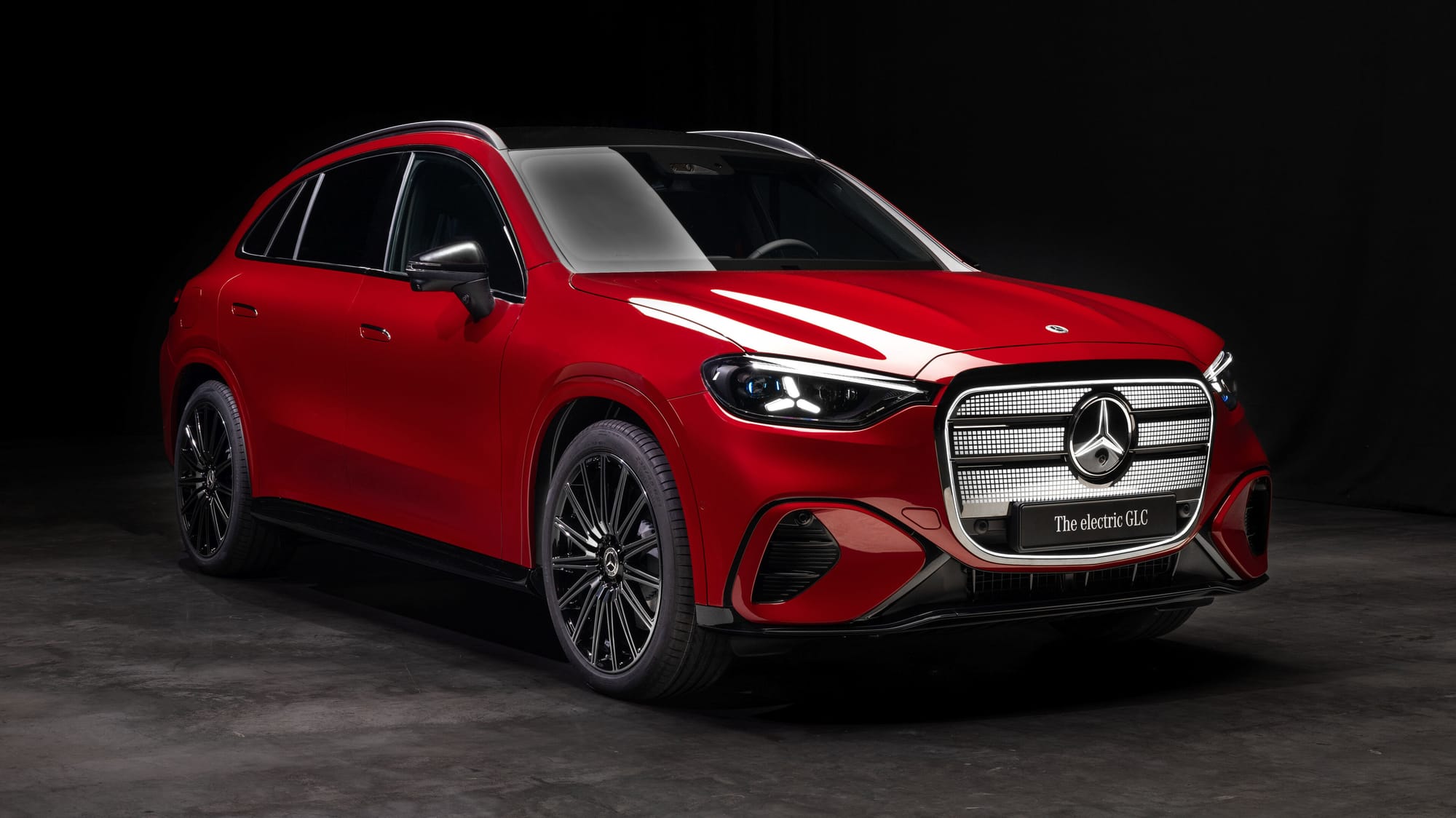
Unlike Sony-Honda Mobility’s incremental updates, Mercedes-Benz introduced something entirely new with the electric GLC on Tuesday. The model will feature an 800-volt charging system, 483 horsepower, and an estimated range of up to 713km.
It will also come with software features like an AI-powered MB.OS platform and an optional 39.1-inch MBUX Hyperscreen. Sales are expected to begin in the second-half of 2026.
 Emmanuel Oyedeji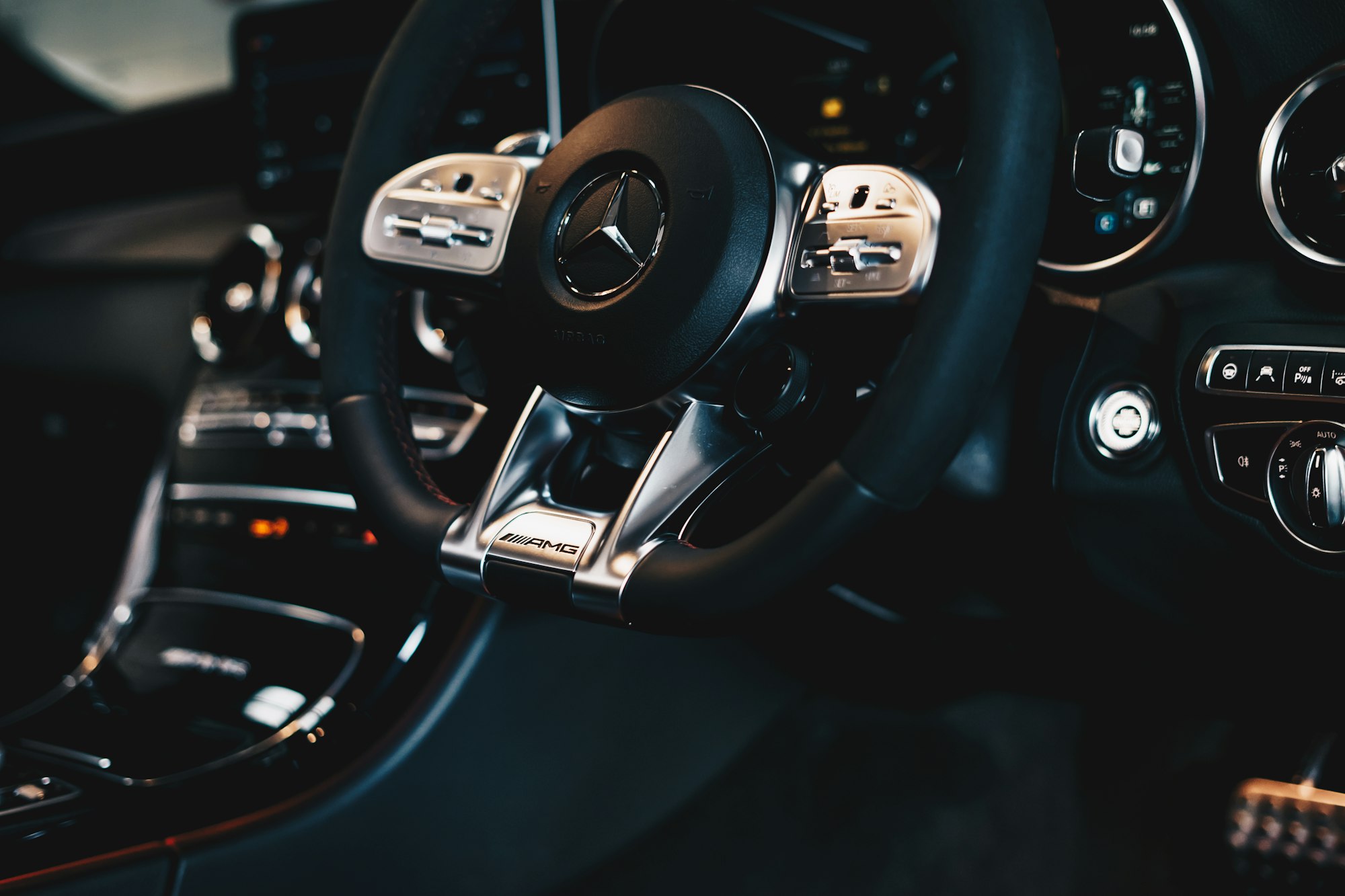
Alongside the electric GLC, Mercedes-Benz plans to showcase the CLA at CES with in-car video streaming via DTS AutoStage Video powered by TiVo. The company says it is working with partners including Dolby, Xperi, and Nvidia to further develop its digital platforms and connected vehicle technologies.
Autel Energy Charging Infrastructure
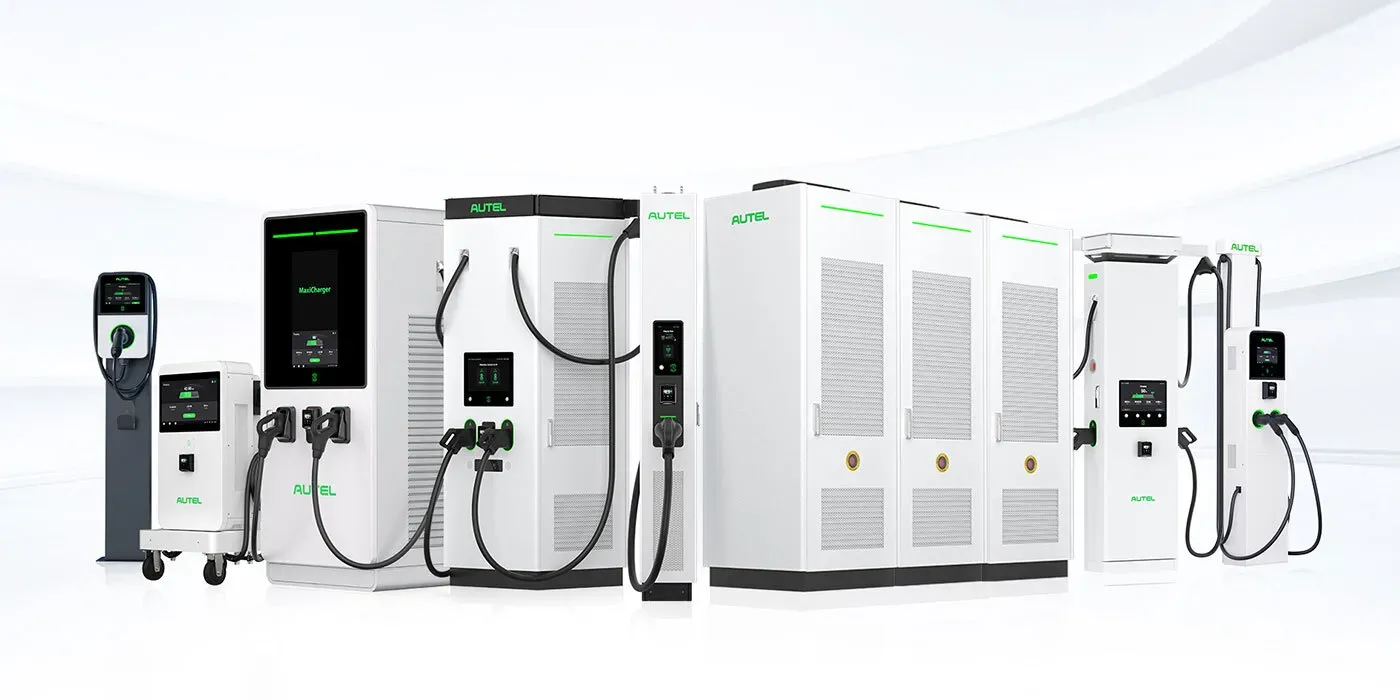
Autel Energy used the event to demonstrate its interoperable EV charging infrastructure, aimed at residential, commercial, fleet, and municipal use cases.
The company showcased AC and DC chargers built around open standards such as OCPP and ISO 15118, allowing operators to choose their own charging management software rather than being locked into proprietary systems. Autel also debuted its Avant automated charging system, designed for fleet depots and autonomous vehicle operations, enabling hands-free charging, routine diagnostics, and preventative maintenance.
Beyond hardware, Autel highlighted grid-ready features such as intelligent load management and demand-response capabilities, reflecting the growing importance of energy management as electrification moves from pilot projects to large-scale deployment.
Uber's robotaxi–Lucid Gravity
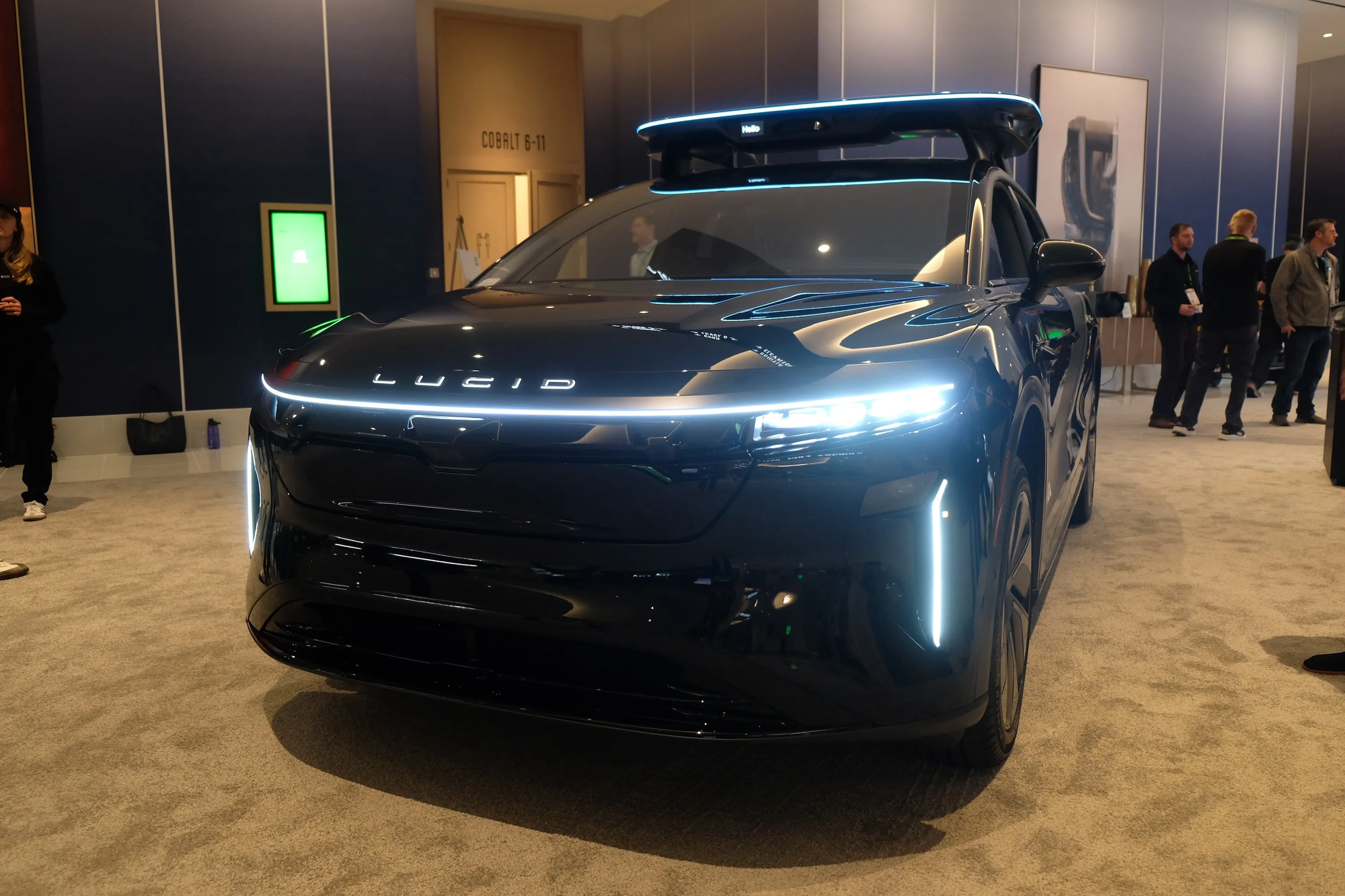
At CES 2026, Uber gave us a look at its new robotaxi–Lucid Gravity. The SUVs are set to hit the road later this year. The feature of the car that seemed to grab the most eyes at the event was the floating rooftop sensor, which Uber calls the “halo.” In contrast with the flush-mounted lidar and cameras you see on competitors like Waymo, this halo hovers above the roof, surrounded by LED accents that make it impossible to miss. Front and side screens display messages like “Hello” or the rider’s initials, adding a surprising personal touch. Inside, passengers can track the journey on a central display, control music, adjust heated seats, or summon assistance—all while seated comfortably in one of six seats.
The Lucid Gravity is part of an Uber, Lucid and Nuro partnership that plans to roll out 20,000 autonomous vehicles in the US over the next six years, starting in San Francisco. While these prototypes are built in Lucid’s Arizona factory and then sent to California for sensor installation by Nuro. Eventually, Lucid plans to integrate these systems directly into its assembly line, streamlining production for mass deployment.
Nvidia Alpamayo
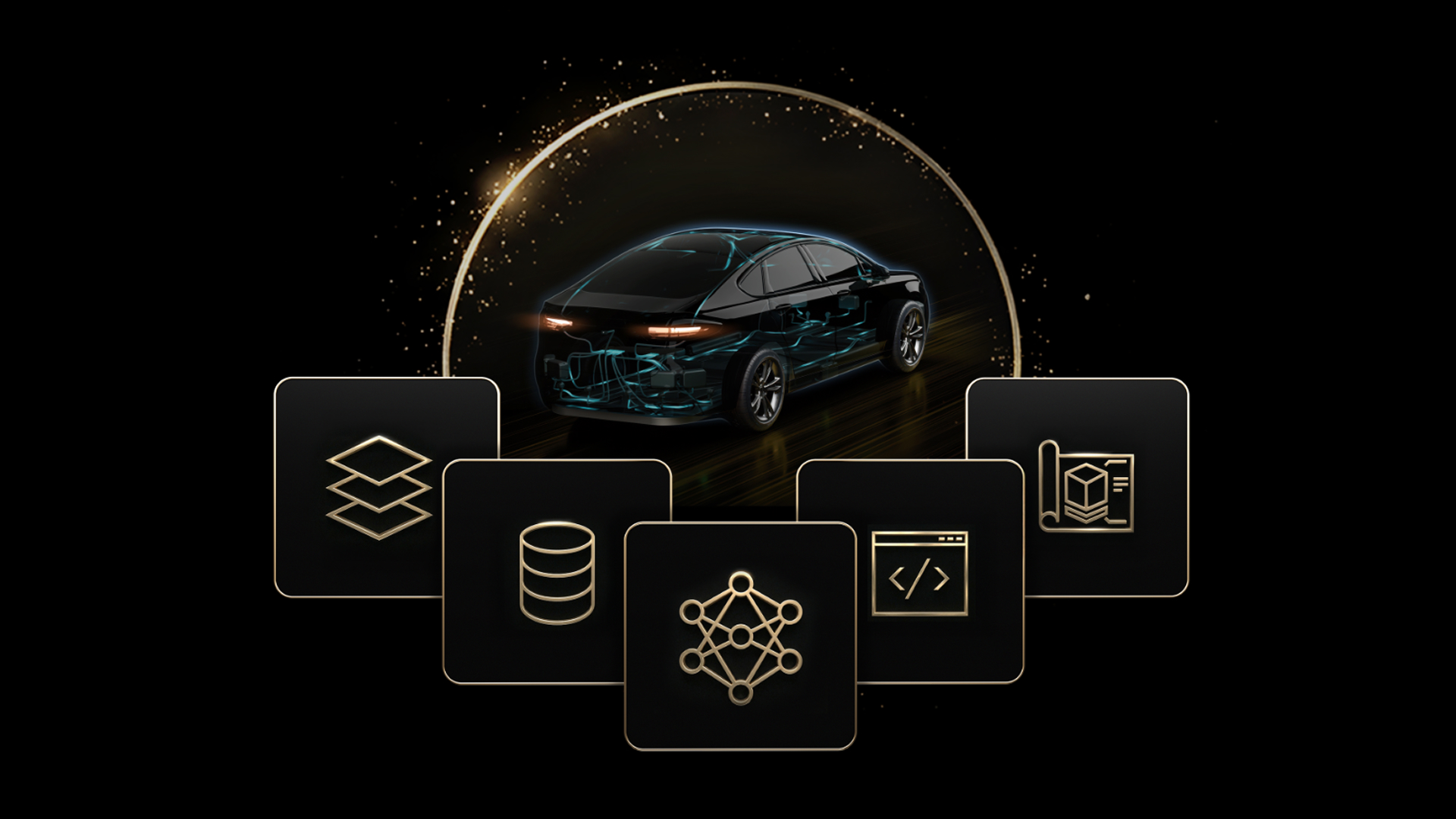
Nvidia also brought EV-related updates with the unveiling of Alpamayo, a new suite of open-source AI tools aimed at teaching autonomous vehicles to think like humans.
At the centre of Alpamayo launch is a 10 billion parameter AI model designed to break down complex situations, like navigating a busy intersection during a traffic light outage, and select the safest course of action. Nvidia calls it “the ChatGPT moment for physical AI,” letting vehicles not only act but explain their reasoning.
Alpamayo can be used for smaller applications to train simpler driving or build tools like auto-labellers that tag video data automatically by developers. It would work together with Nvidia’s Cosmos platform for synthetic environments, where teams can test and refine these AI-driven vehicles before they hit the roads.
Mobileye’s Acquisition of Mentee Robotics
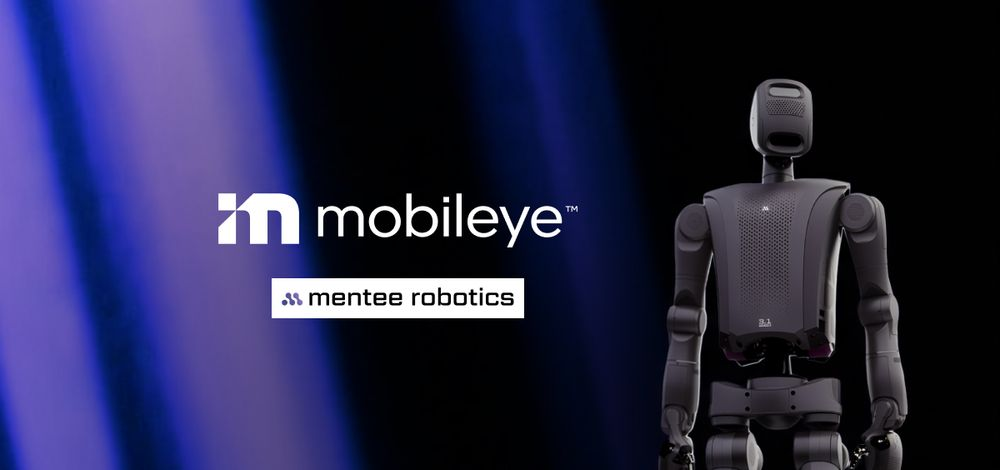
The Intel-backed company, Mobileye, announced a $900 million acquisition of Mentee Robotics, a humanoid robotics startup co-founded by Mobileye president Amnon Shashua. The deal signals what Shashua calls “Mobileye 3.0,” pushing the company from vehicle autonomy into broader physical AI.
The move reflects a growing belief that the software used to help cars navigate roads can also power robots designed to operate in the real world.
Other EV Updates
Other EV-related updates at CES 2026 include:
- V2X (Vehicle-to-Everything): Cars talking to each other and to infrastructure for better safety and traffic flow.
- Satellite & hybrid networks: Keeping critical navigation and safety features alive in dead zones.
- Edge computing: Making driver-assist systems faster and more reliable by processing data closer to the car.
 Emmanuel Umahi