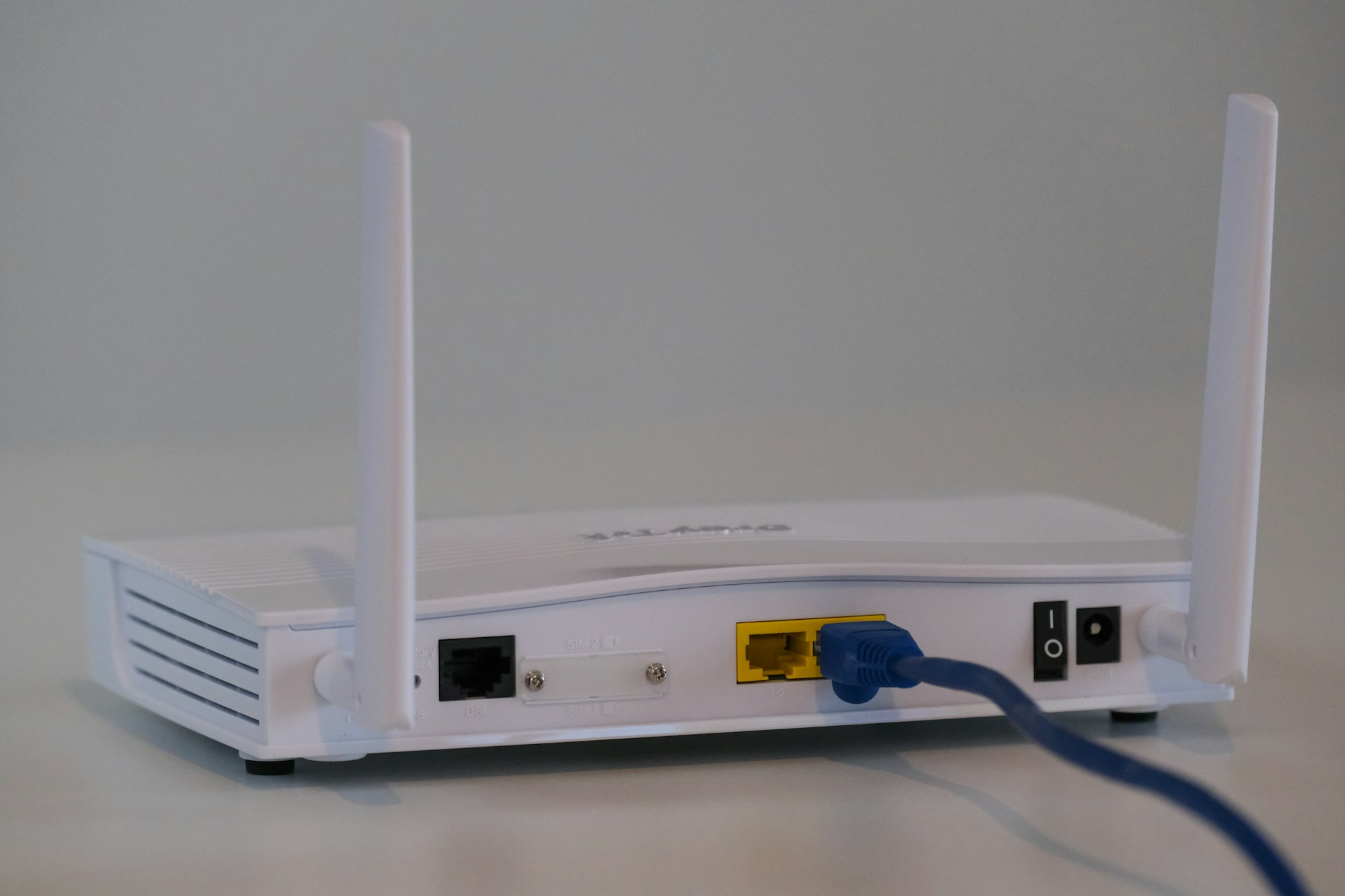
We’ve come a long way from those days of “don’t move the router” moments. From the early days of Wi-Fi 1 in the late 1990s that barely kept a single laptop connected, to Wi-Fi 4 bringing streaming into our living rooms, and Wi-Fi 6 turning multitasking into second nature, each generation has reshaped how we connect. Then came Wi-Fi 7, the current powerhouse driving ultra-fast speeds, low latency, and smoother online experiences than ever before.
But progress never stops. Just as Wi-Fi 7 is becoming mainstream, the next chapter is already in motion. TP-Link, a global networking and smart home solutions provider, recently announced that it successfully tested a Wi-Fi 8 prototype, calling it a “critical milestone” in the future of wireless connectivity.
According to TP-Link, the test confirmed that Wi-Fi 8 (officially 802.11bn) can reliably transmit beacon signals and handle data transfer under real-world conditions. Developed in partnership with other industry peers, the prototype aims to push the boundaries of reliability and performance. The company expects consumer-ready devices to roll out before the standard’s official approval in 2028 by the Institute of Electrical and Electronics Engineers (IEEE).
So, what makes Wi-Fi 8 different? While it still uses the same 2.4GHz, 5GHz, and 6GHz bands and boasts a similar 23Gbps theoretical speed as Wi-Fi 7, its real breakthrough lies in stability. Wi-Fi 8 aims to manage multiple devices more efficiently, keep performance consistent in low-signal areas, and maintain seamless experiences even when network demand spikes.
Think of it as the Wi-Fi standard built for homes and workplaces filled with smart devices, where your router juggles dozens of connections at once. With Wi-Fi 8, those moments of frozen video calls or lagging game sessions could finally become rare.
If Wi-Fi 7 gave us raw speed, Wi-Fi 8 promises stability, a network that holds its ground when conditions aren’t perfect. TP-Link’s prototype test is just one step, but it points to a future where reliability, not just speed, defines our online experience.
 David Adubiina