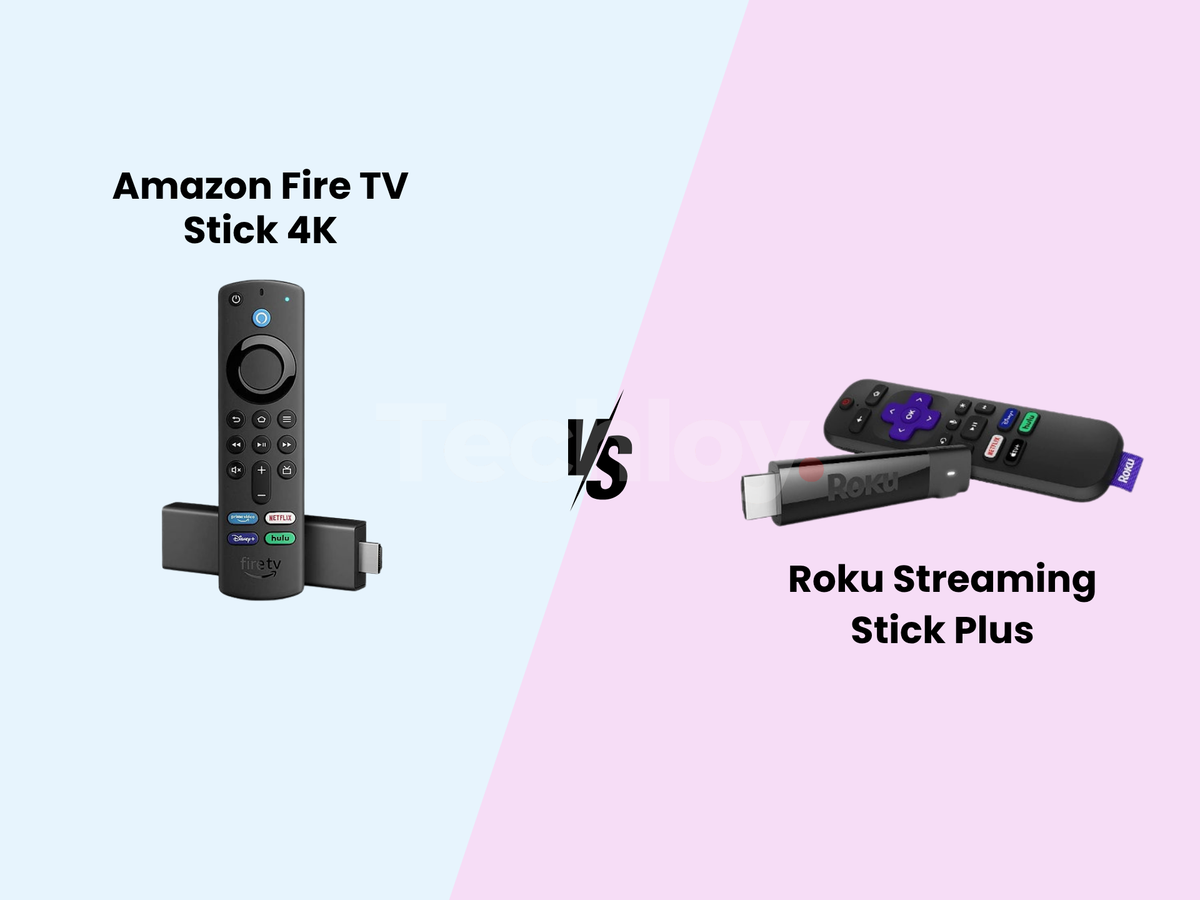
For years, the small HDMI stick behind many TVs has been the easiest way to turn a “dumb” screen into a smart one. Plug it in, connect to Wi-Fi, and you get instant access to Netflix, YouTube, Prime Video, and more. That simplicity is what made the Amazon Fire TV Stick so popular.
But now, that same convenience is at the centre of a lawsuit accusing Amazon of letting older devices quietly stop working.
A new class action case in the United States claims Amazon didn’t just stop supporting early Fire TV Stick models. It alleges the company allowed, or even caused, them to become so slow and unstable through software changes that they were effectively “bricked.” In practical terms, the hardware still works, but the device can no longer perform its main function.
The lawsuit, filed by plaintiff Bill Merewhuader, focuses on first- and second-generation Fire TV Sticks that were marketed as offering "instant" access to large streaming libraries. According to the complaint, these promises influenced purchasing decisions. But support for first-generation models ended in December 2022, with second-generation devices following soon after, despite claims that support would last until at least 2024.
At the heart of the case is what the lawsuit describes as “software tethering.” The idea is that a device people believe they own remains dependent on software controlled by the manufacturer. When that software changes or support is withdrawn, the product’s lifespan can shrink, not because of hardware failure, but because of code.
The complaint argues that instead of offering remedies, Amazon nudged affected users toward newer Fire TV Stick models. Slower performance, reduced stability, and limited updates combined to push upgrades without directly forcing them.
This concern goes beyond Amazon. Similar questions have been raised about smartphones, smart TVs, and other connected devices from companies like Apple and Google, where software updates often determine how long hardware remains usable. Regulators have increasingly examined whether companies can effectively control a product’s lifespan after it has been sold.
For now, the case seeks damages, restitution, and compensation for affected users. But beyond the courtroom, it raises a broader question for anyone with a streaming stick behind their TV: when your device slows down, is it simply aging, or is its lifespan still being controlled long after you bought it?
 Oluwaseun Bamisile