



Water is an essential service in all constructions, but in high-rise buildings it becomes far more complex to manage. As cities grow vertically, delivering reliable water supply is no longer a background engineering task—it has become a key factor affecting daily comfort, building operations, and long-term property value.
Turning on a tap in a single-storey home is straightforward. In a multi-storey building, however, gravity, pressure loss, and fluctuating demand make it difficult to maintain a consistent and dependable water supply. For developers, building owners, and facility managers, water pressure reliability is not simply a technical concern. It directly influences tenant satisfaction, maintenance costs, safety compliance, and the overall performance of the building.

The Core Challenge: Water Pressure and Building Height
Municipal water systems are generally designed to serve low-rise buildings rather than structures rising 20, 40, or even 80 storeys. As water travels upward, hydrostatic pressure naturally decreases.
Lower floors may experience adequate or even excessive pressure, while middle floors often face fluctuations. Upper floors, however, may receive little or no usable water flow at all. For building owners and property managers, these pressure variations translate into inconsistent service, frequent complaints, and operational challenges across different floors.
Relying solely on municipal water pressure often leads to unstable supply, disrupting everyday activities such as bathing, cooking, cleaning, and even flushing toilets on higher floors. In dense urban environments, where high-rise developments are increasingly common, these challenges become more pronounced.
What Are Water Booster Pumps?
Water booster pumps are systems designed to increase water pressure within a building. They draw water from the municipal supply or a storage tank and raise it to a level that ensures consistent flow across all floors.
These systems operate automatically, continuously adapting to the building’s water usage patterns throughout the day without manual intervention.
How Water Booster Pumps Support Pressure Zoning
In many high-rise buildings, the water system is divided into pressure zones, with each zone serving a certain group of floors. This setup simply makes more sense—it improves overall efficiency and reduces unnecessary strain on pipes and fittings. Booster pump systems play a key role here by supplying the right amount of pressure to each zone. They help protect lower floors from excessive pressure while still delivering dependable water service to higher levels. This kind of zoning becomes especially important in tall towers and mixed-use buildings, where residential, commercial, and public areas all place very different demands on the water system.
Why High-rise Buildings Rely on Water Booster Pumps
Ensuring Consistent Pressure for All Occupants
High-rise buildings experience simultaneous water use throughout the day. Morning routines, office hours, and evening peak periods all create sudden increases in demand. Without pressure regulation, these surges can cause abrupt drops in flow, fluctuating water temperatures, and noise or vibration within the pipework. In practice, most water-related complaints in high-rise buildings are caused by pressure instability rather than insufficient pipe size. Water booster pumps automatically respond to changing demand, maintaining stable pressure even when multiple fixtures are used at the same time.
Supporting Modern Building Lifestyles
Modern high-rise buildings are no longer limited to basic residential or office functions. They frequently include:
- Fitness centres and wellness facilities
- Swimming pools and spas
- Restaurants and cafés
- Laundry services
- Heating, ventilation, and air conditioning (HVAC) systems
All of these amenities depend on reliable water pressure. Without a properly designed system, water use in one area—such as a gym or restaurant—can negatively affect residential units elsewhere in the building. Water booster pumps balance these competing demands, ensuring that all systems operate smoothly and independently. In many projects, booster pumps are treated as a late-stage fix rather than a core design requirement.
Supplying Water to Upper Floors
The most immediate reason high-rise buildings require booster pumps is their height. As buildings rise, the vertical distance water must travel increases significantly. Without booster pumps, water may fail to reach upper floors altogether. Showers can become weak or unusable, and appliances such as washing machines may not function properly. Booster pumps ensure that occupants on higher floors receive the same level of service as those on lower levels.
Improving Comfort and Quality of Life
Water booster pumps operate quietly in the background, but their impact is felt every day. They provide strong, consistent showers, quickly filling sinks and baths, reliable water supply during peak usage, and stable water temperatures throughout the day. In residential buildings, this directly affects tenant satisfaction, while in commercial buildings it influences productivity and occupants’ perception of the overall quality of the space.
Managing Risk and Long-term Costs
Beyond daily comfort, effective water pressure management plays a critical role in risk reduction, operating cost control, and long-term building performance in high-rise developments.
Fire Safety and Emergency Preparedness
Fire safety is one of the main reasons high-rise buildings rely on water booster pumps. Fire protection systems—like sprinklers, standpipes, and fire hose connections—need reliable water pressure on every floor. In an emergency, there’s no time to wait: water has to be available immediately, at the right pressure, and able to perform under extreme conditions. A properly designed booster pump system helps meet fire safety codes and ensures there is enough pressure to protect both people and property when it matters most.
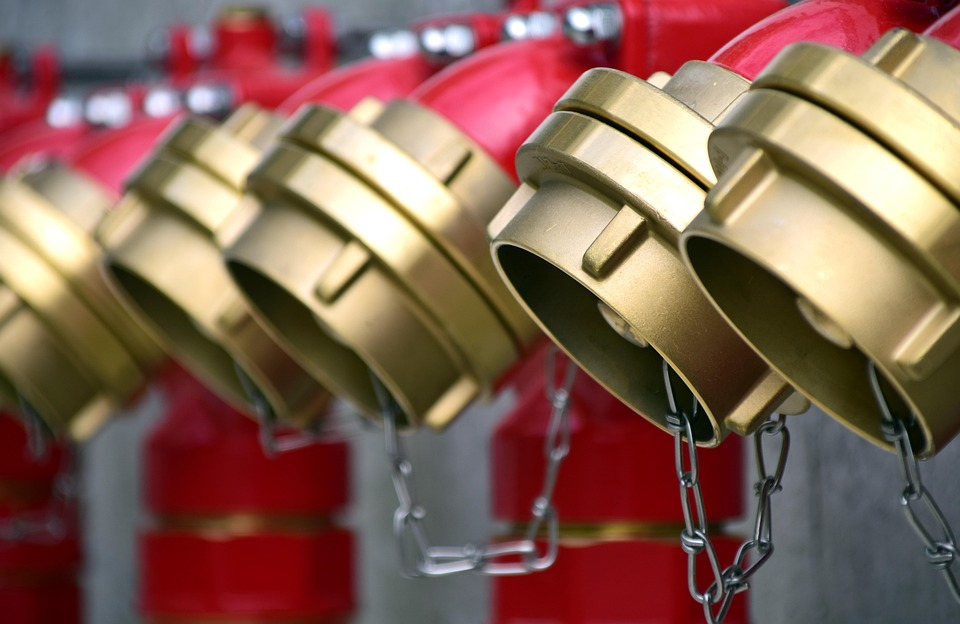
Preventing Plumbing Damage and Maintenance Issues
Poorly controlled water pressure can also take a serious toll on a building’s plumbing. On lower floors, excessive pressure can damage pipes, valves, faucets, and connected equipment, leading to leaks and early system failures. Meanwhile, upper floors often struggle with low pressure, which results in constant complaints and service calls. By keeping water pressure balanced throughout the building, booster pump systems reduce stress on the plumbing network and help lower long-term maintenance and repair costs.
Energy Efficiency in Modern Booster Pump Systems
In older buildings, pumping systems often ran at full capacity all the time, whether the demand was there or not. That meant a lot of wasted energy and unnecessarily high operating costs. Modern water booster pump systems work very differently. They adjust their speed and output in real time, matching actual water use instead of running flat out. The result is lower energy consumption, less wear on equipment, quieter operation, and reduced utility bills. For high-rise buildings focused on sustainability or pursuing green certifications, an efficient booster pump system is no longer optional—it’s a key part of the solution.
Long-term Financial Benefits for Building Owners
Installing a water booster pump system does require an initial investment, but the financial payoff becomes clear over time. Stable water pressure means fewer tenant complaints, less stress on plumbing components, and lower ongoing maintenance costs. It also makes it easier for buildings to stay in line with safety standards and regulatory requirements.
From an owner’s or developer’s perspective, these benefits add up in practical ways. Operating expenses become more predictable, tenants are more likely to stay, and the building itself holds its value better over the long term.
Conclusion
In modern high-rise developments, effective pressure management is no longer optional—it is a core requirement that keeps tall buildings functioning safely, efficiently, and comfortably.
Real-world experience consistently shows that pressure control, rather than pump capacity alone, is the most important factor in achieving safe, efficient, and reliable building operation. Water booster pumps play a central role in maintaining stable water pressure across high-rise buildings, supporting both system performance and occupant comfort.
Many of the principles discussed here are drawn from ATO’s practical project experience, with pumping and water pressure systems used in modern buildings.


