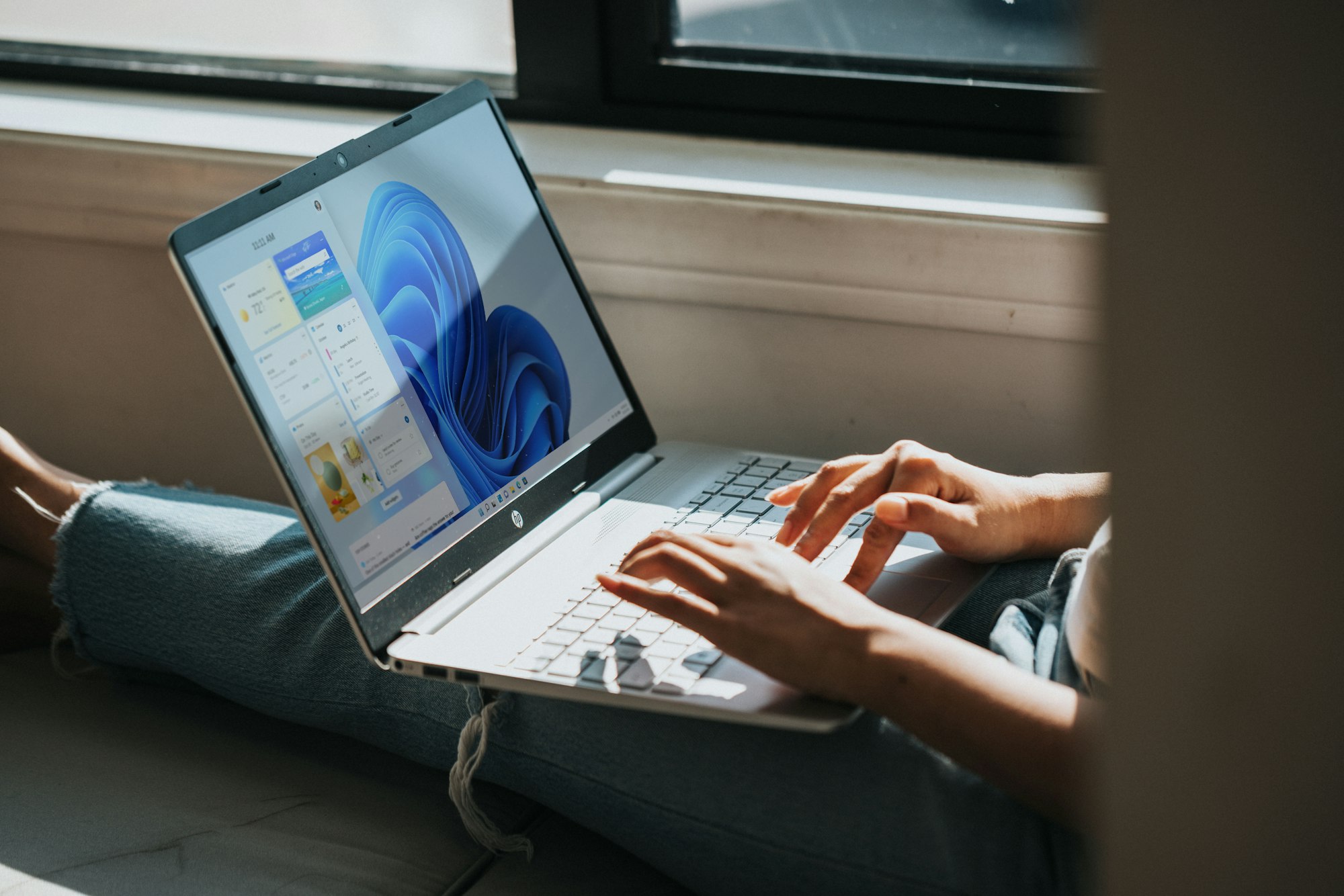
After years of slow momentum and plenty of hesitation from users, Windows 11 has finally overtaken Windows 10 in global usage. It’s not just a matter of new PCs shipping with the latest OS; it reflects how Microsoft has gradually nudged users, both through policy and design, into accepting Windows 11 as the new default.
First released in late 2021, Windows 11 entered the scene with tighter hardware requirements and a design overhaul that didn’t immediately win over the masses. Many users—especially those with older devices—stuck with Windows 10, which continued to dominate the desktop landscape well into 2024.
Early adoption lagged partly because millions of machines simply weren’t eligible for the upgrade. But things began to shift as October 2025, the end-of-support date for Windows 10, drew closer.
Microsoft began rolling out more persistent upgrade prompts and offered incentives, like an extra year of security updates for users who signed in with a Microsoft account and backed up their settings. Combined with the fact that all new PCs since 2021 have shipped with Windows 11 pre-installed, the adoption gap finally began to close.
Now in July 2025, according to data from Stat Counter, Windows 11 is the most dominant version of Windows with about 52% in global usage. Meanwhile, Windows 10 has fallen to around 45%.
This shift also mirrors a maturing product. Over time, Windows 11 has evolved from a fresh coat of paint into a more stable and feature-rich OS. Performance has improved, bugs have been ironed out, and new tools like AI-assisted settings, Copilot integrations, and enhanced privacy controls have made it more appealing.
Of course, compatibility still remains an issue. Millions of older PCs can’t meet Windows 11’s new hardware checklist, forcing users either to stick with Windows 10, buy new machines, or explore alternatives like Linux.
In short, Windows 11 has moved from niche adoption into mainstream use. And with Windows 10 on the brink of retirement, the transition may accelerate further. Whether users embrace the shift or cling to what feels familiar, Microsoft’s future desktop strategy is clearly running through Windows 11.
 Gabriel Ojeh