



East of Eden is the kind of story that makes you question how much of who we become is shaped by our families and how much comes down to the choices we make.
Netflix’s adaptation explores these questions through a family caught in years of conflict, jealousy, and painful decisions. I went into the series without knowing much about the story, and I found myself drawn into the complicated relationships at its centre.
Based on John Steinbeck’s 1952 novel, the seven-part Netflix series follows two generations of the Trask family, exploring sibling rivalry, parental rejection, love, betrayal, and the choices people make.
The story draws on the biblical account of Cain and Abel, where two brothers become divided by jealousy and resentment. A 1955 film adaptation directed by Elia Kazan also exists, though it focuses mainly on the latter part of the novel. Netflix's series guide provides more background on the adaptation.
 Treasure Ayanfe Adetula
The Performances Make the Family Drama Work
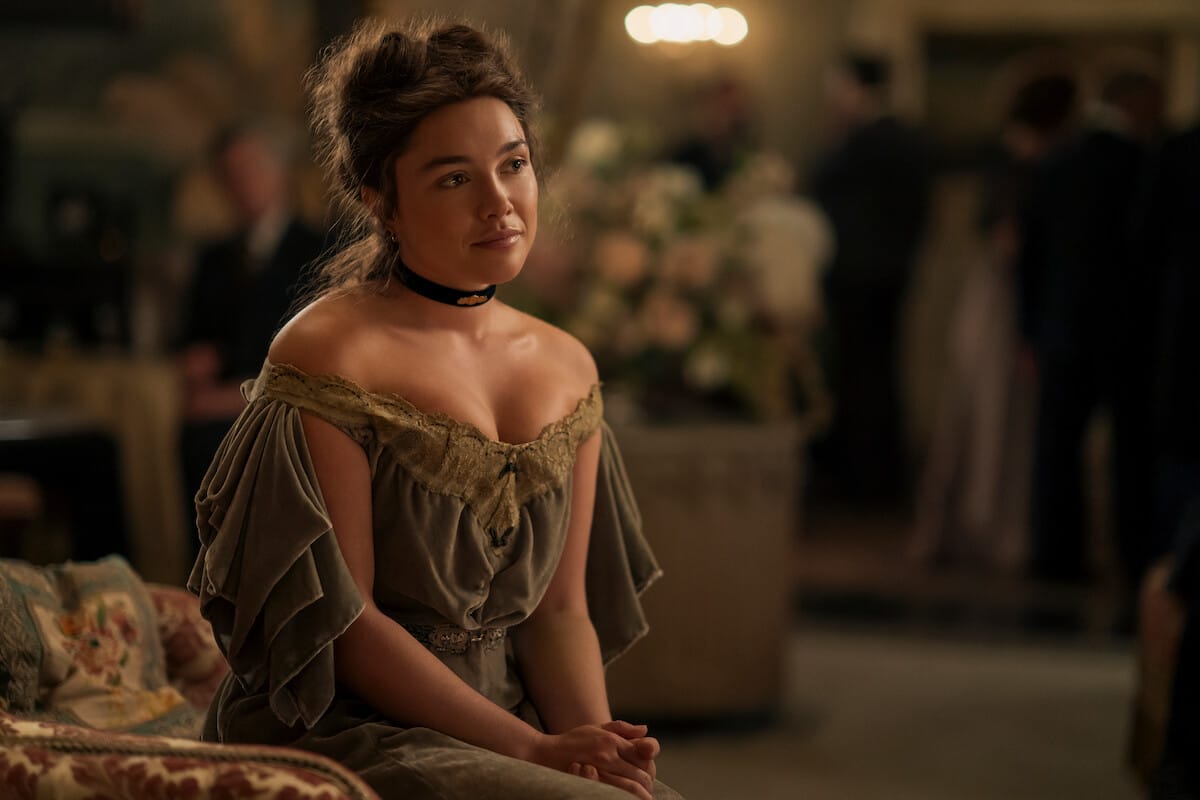
Florence Pugh is one good reason to watch East of Eden. As Cathy Ames, she plays a woman who is difficult to understand and even harder to trust. Pugh gives Cathy a calculating quality that makes it difficult to know what she is thinking or what she might do next.
Even when I struggled to sympathise with Cathy, I remained interested in her.
Christopher Abbott and Mike Faist also add something interesting to Adam and Charles's relationship. Their characters have spent much of their lives competing for their father’s approval, and that resentment continues to affect their decisions as adults. I found Charles particularly interesting because his anger becomes easier to understand once you see how differently his father treats him and Adam.
Hoon Lee is another standout as Lee, the Trask family’s cook and one of the few people who seems capable of seeing the family clearly. He brings a quieter presence to a story filled with anger, jealousy, and betrayal. His relationship with Samuel Hamilton, played by Ciarán Hinds, also gives the series some of its more thoughtful moments.
How Much of Who We Become Is Decided by Our Childhood?
Charles is where I first began questioning my idea of what makes someone a bad person. I could tell early on that he resented Adam, but understanding their relationship with their father, Cyrus, helped me see where that resentment came from.
Cyrus favours Adam in ways that leave Charles feeling unwanted and inadequate. Imagine growing up in a home where you constantly feel that your sibling is the better child. What would that do to the way you see yourself?
The series gives Charles a history that helps explain his behaviour without making everything he does acceptable. His resentment contributes to some terrible decisions, but he also shows that people can recognise their mistakes and try to change.
This contradiction interested me more than simply deciding whether Charles was good or bad. His upbringing clearly affected him, but it did not remove his responsibility for his actions.
The series also made me think about Cal, who struggles with feeling that he will never measure up to Aron. Aron is seen as the good son, while Cal is more conscious of his flaws and the possibility that he might become someone he does not want to be. I found Cal’s willingness to confront his mistakes compelling because he was not presented as someone who always made the right choices. He wanted to do better.
Adam Reminded Me That Kindness Is Not Enough
Adam was another character I kept questioning. At first, I found him easy to like because he was kind and seemed willing to see the good in people. But as the story progressed, I began questioning his judgment.
He meets Cathy, a woman he knows very little about, takes her into his home, falls in love with her, and marries her within weeks. I understand that people fall in love quickly, but making such a major decision without taking the time to understand someone felt reckless to me.
Adam reminded me that having a good heart is not enough. Sometimes, being so focused on seeing the best in people means overlooking things we should be paying attention to. His good intentions do not protect him from the consequences of his choices, and I found that more interesting than simply treating him as the family’s innocent, well-meaning son.
Subscribe for free to continue reading this article
Subscribe SubscribeAlready have an account? Log in


