



A robot lawn mower without perimeter wire works by replacing buried boundary cables with digital positioning, onboard sensors, and software-based maps. Instead of following a physical wire around the yard, it identifies its location through satellite guidance, RTK correction signals, cameras, and obstacle-detection systems. The mower then follows a planned mowing path inside virtual boundaries you set in an app. This approach makes installation faster, changes easier, and lawn care more precise. For homeowners, the biggest advantage is simple control: you can define mowing zones, update restricted areas, and manage routes without digging up your yard or reinstalling wire.
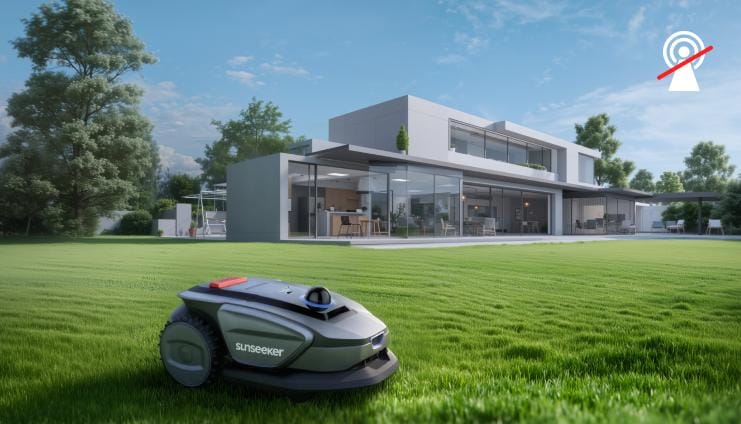
How Does a Wire-Free Robot Lawn Mower Navigate Your Lawn?
The Role of GPS, RTK Positioning, and Virtual Boundary Technology
Wire-free robot lawn mowers navigate by combining GPS with RTK positioning to achieve much higher accuracy than standard satellite guidance alone. GPS gives the mower a general location, while RTK adds correction data from a reference station to refine that position down to a much smaller margin. This precision allows the mower to understand exactly where it is on the lawn and stay inside digital boundaries. Instead of relying on buried perimeter wire, the mower uses virtual boundary technology created in its software. Once the operating area is mapped, it follows those invisible borders during mowing, turns accurately at edges, and moves between work zones with consistent, repeatable positioning every cycle.
How AI Cameras, Sensors, and Real-Time Mapping Guide Movement
Accurate positioning alone is not enough, so wire-free robot mowers also depend on AI cameras, ultrasonic or infrared sensors, bump sensors, and real-time mapping software. These systems help the mower detect objects that may not appear in its boundary map, such as toys, pets, garden tools, or new landscaping features. The camera and sensor data allow it to identify obstacles, slow down, reroute, or stop safely when needed. Real-time mapping continuously updates the mower’s understanding of open space and blocked paths as it works. This combination improves coverage, reduces unnecessary overlap, and helps the mower maintain a smooth route even when conditions on the lawn change during operation.
Creating Digital Lawn Maps and Defining No-Go Zones Through Mobile Apps
Most perimeter-wire-free mowers are set up through a mobile app that walks you through creating a digital lawn map. During setup, you guide the mower around the property or mark the area on a digital interface so the system can learn lawn edges, passages, and work zones. Inside the app, you can define virtual boundaries, create separate mowing sections, and add no-go zones around flower beds, pools, trees, play areas, or gravel paths. If the yard changes, you simply edit the map instead of relocating wire. The app also lets you schedule mowing times, adjust cutting patterns, and monitor location, making lawn management far more flexible and convenient for homeowners.
What Technologies Power Perimeter-Wire-Free Robot Lawn Mowers?
RTK Navigation vs. Traditional Boundary Wire Systems
Traditional robot mowers depend on a physical boundary wire that sends a signal the mower can detect, telling it where to stop and turn. That system works, but installation takes time, yard changes require rewiring, and wire breaks can interrupt mowing. RTK navigation removes those limitations by replacing the physical border with satellite-based positioning and digital boundaries. The mower knows its location relative to the mapped lawn instead of searching for a buried signal. This supports straighter mowing lines, better area coverage, and simpler setup in many cases. It also allows faster adjustments for seasonal landscaping changes, making perimeter-wire-free systems more adaptable for complex or evolving yard layouts.
Smart Obstacle Detection and Automatic Route Optimization Features
Smart obstacle detection allows a wire-free mower to work efficiently without blindly crossing the lawn. Using cameras, distance sensors, and onboard processing, it recognizes common objects and avoids them before contact when possible. If something unexpected appears in its path, the mower can change direction, pause, or calculate a new route around the obstruction. Route optimization software then uses lawn size, zone layout, and completed coverage data to reduce missed patches and unnecessary repeat passes. Rather than wandering randomly, many modern units mow in organized patterns that save time and battery power. The result is cleaner coverage, less wear on the turf, and more predictable mowing performance overall.
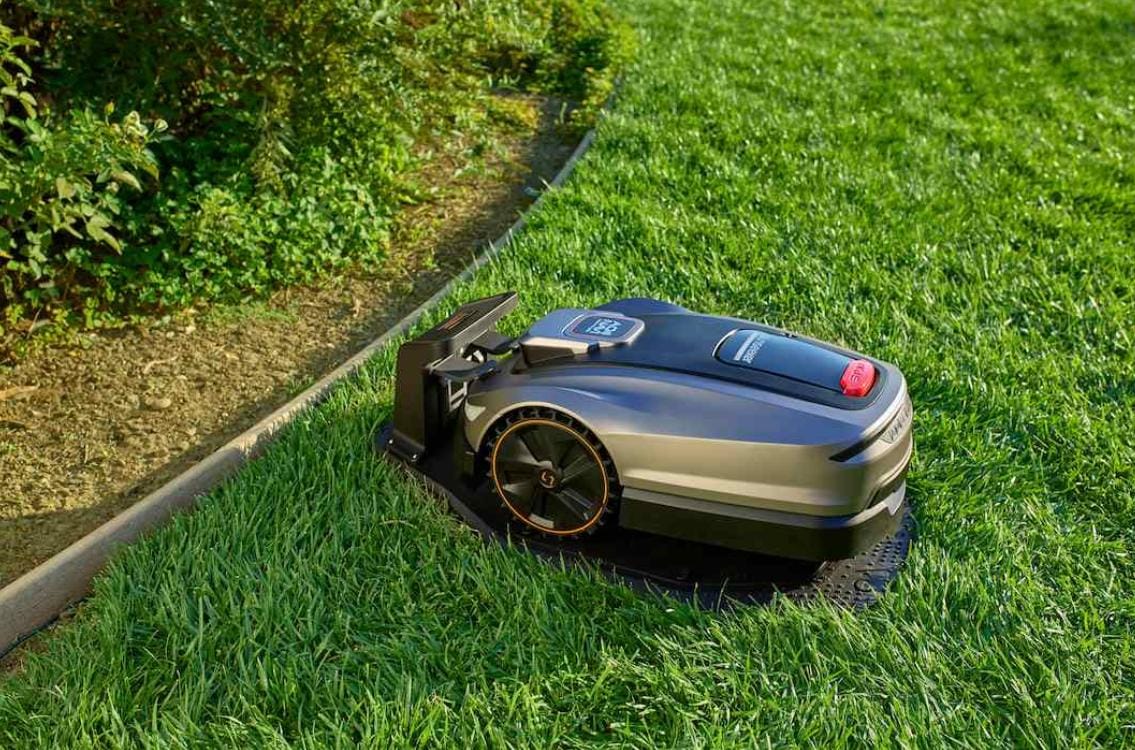
Cloud Connectivity, App Control, and Smart Home Integration Capabilities
Cloud connectivity extends control beyond the mower itself by linking it to a mobile app and online software services. Through the app, users can start or stop mowing, change schedules, review map data, receive maintenance alerts, and track the mower’s status remotely. Firmware updates delivered through the cloud can improve navigation, obstacle handling, and overall system performance over time. Some models also support smart home integration, allowing voice commands or automated routines within a connected home setup. These features make the mower easier to manage and keep current without manual adjustments at the machine. For homeowners, that means more convenience, better oversight, and simpler long-term operation.
Conclusion
A robot lawn mower works without perimeter wire by combining RTK-enhanced positioning, virtual boundaries, smart sensors, AI-based obstacle detection, and app-controlled mapping. Together, these technologies let the mower understand where it is, where it should mow, and what it should avoid without relying on buried cables. The result is a cleaner installation process, easier boundary changes, and more precise lawn coverage. For homeowners who want flexible, low-maintenance automation, wire-free systems offer a practical upgrade over traditional boundary-wire models. They turn lawn care into a software-managed task that is simpler to set up, adjust, monitor, and maintain over time.


