



Once known as the “flagship killer”, OnePlus built its reputation on offering high-end specifications at prices that undercut established rivals. But after years of growing competition, rising component costs, and a wider restructuring by parent company Oppo, the brand has pulled back from the US and European markets.
Now, OnePlus has launched its new flagship, the OnePlus 16, in China. It is the company's first flagship since announcing its withdrawal from those markets, and it arrives with a 9,000mAh battery, a 185Hz display and a 200MP main camera.
The phone starts at CNY 5,999, or around $896, although an introductory price of CNY 5,699 has also been reported.
 Ogbonda Chivumnovu
OnePlus 16 specs and how it compares to other flagship devices
Performance appears to be the focus of the OnePlus 16. It runs on Qualcomm’s Snapdragon 8 Elite Extreme Gen 6, the same chip as Xiaomi’s new 18 Pro Max, with up to 16GB of RAM and 1TB of storage.
Its 9,000mAh battery is one of its biggest selling points. That’s 1,700mAh more than the OnePlus 15’s 7,300mAh battery and 500mAh more than the Xiaomi 18 Pro Max’s 8,500mAh cell. It also comfortably exceeds the Galaxy S26 Ultra’s 5,000mAh battery.
Charging speeds are slightly lower than the OnePlus 15’s 120W wired charging, at 100W on the new model. It also supports 50W wireless charging. Xiaomi’s 18 Pro Max matches both the wired and wireless speeds.
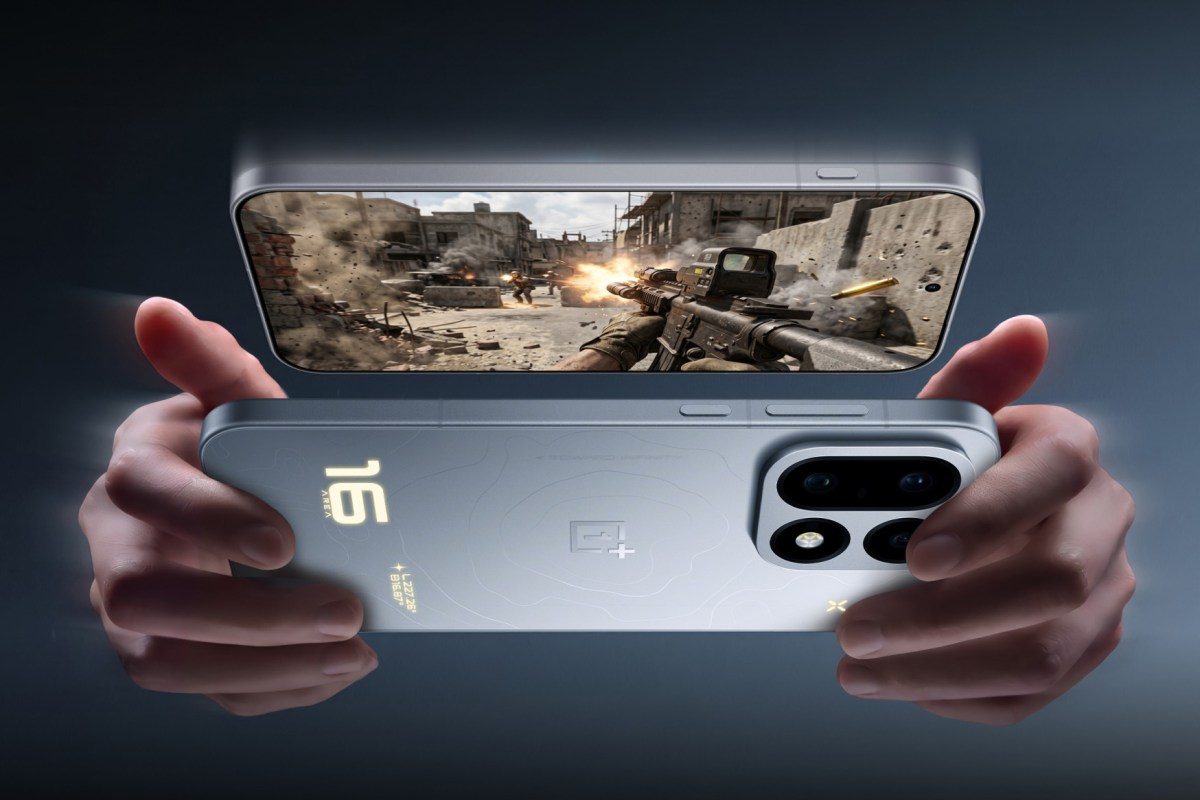
Gamers are clearly the target for the display. Its 6.78-inch OLED panel reaches 185Hz in compatible games and supports refresh rates of up to 165Hz across the system interface. That’s an increase over the OnePlus 15’s 165Hz gaming refresh rate and well above the 120Hz displays on the Xiaomi 18 Pro Max and Galaxy S26 Ultra.
Photography gets a significant hardware upgrade, too. The main camera jumps from 50MP on the OnePlus 15 to 200MP, joined by 50MP ultrawide and telephoto cameras. The telephoto lens supports 3x optical zoom.
On paper, Xiaomi has a camera advantage with two 200MP sensors, including a 3.2x telephoto, alongside a 50MP ultrawide. Samsung’s Galaxy S26 Ultra also packs a 200MP main camera and additional telephoto and ultrawide lenses. However, megapixel counts alone don't determine image quality, so real-world testing will be needed to establish which phone takes better photos.
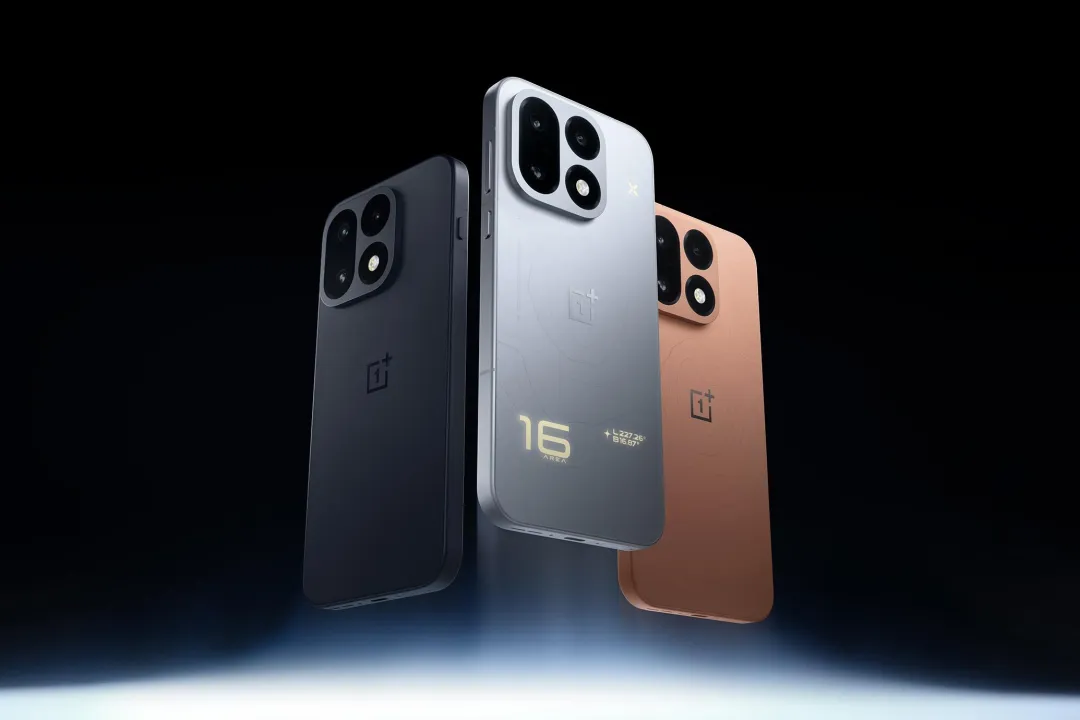
The design is just as distinctive. The silver “Tomorrow’s Starlight” finish features lighting around the “16” logo, a star icon, and galactic coordinates, with different patterns illuminating for calls, messages, and charging. Xiaomi takes a different route with a secondary display on the back of the 18 Pro Max.
No new launches in the US or Europe
Subscribe for free to continue reading this article
Subscribe SubscribeAlready have an account? Log in


