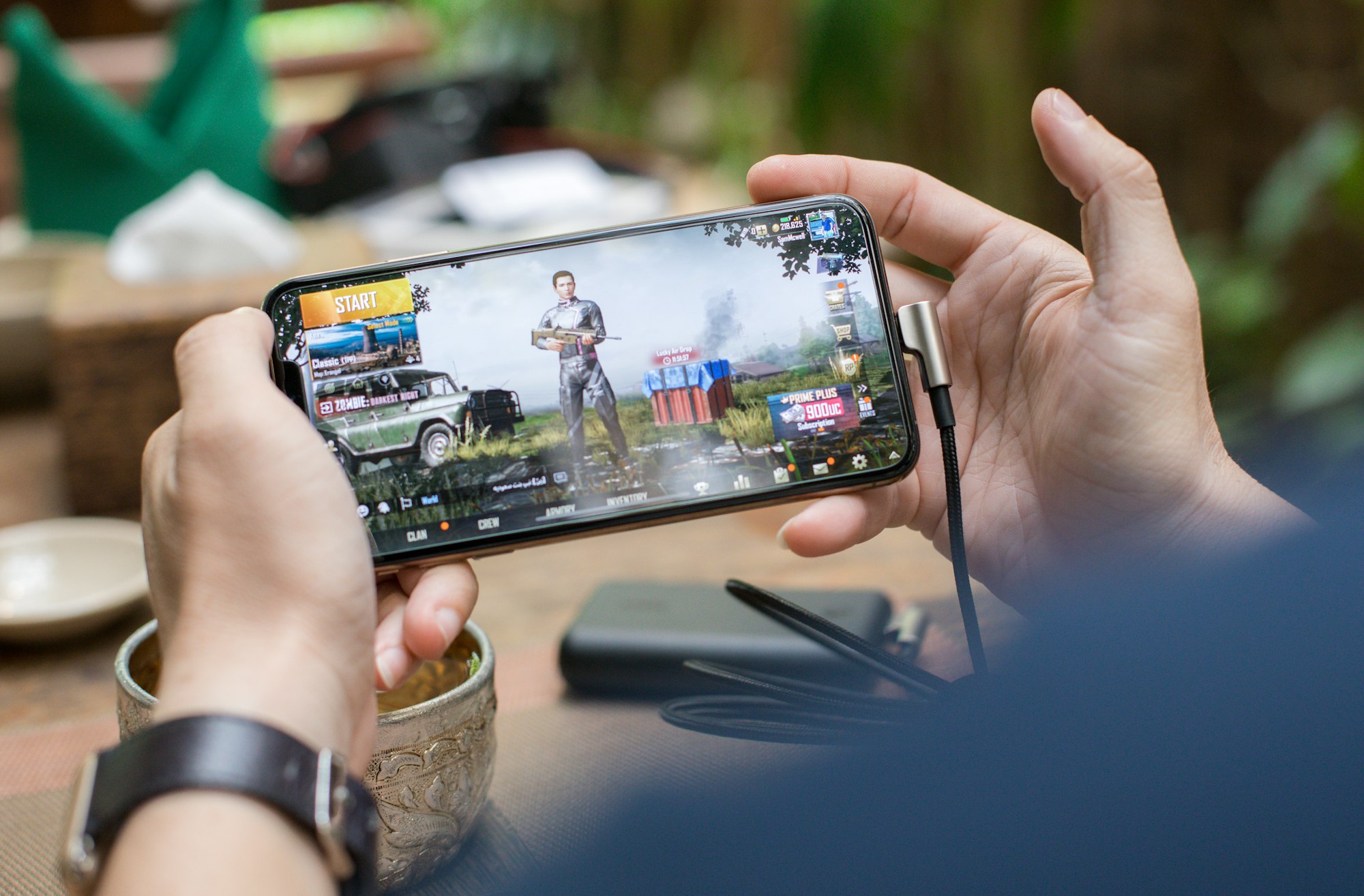
Back when I was grinding through PUBG Mobile matches a few years ago, the biggest challenge wasn’t an enemy player but the lag. High ping, delayed shots, teleporting enemies—it made competitive play feel like a guessing game.
So, hearing that PUBG Mobile is finally getting local servers in Nigeria and South Africa hits differently. It’s not just a tech upgrade; it’s Tencent, developers of PUBG Mobile, taking African players seriously.
The newly launched servers are part of the game’s “For Africa, By Africa” push, aimed at improving latency, smoother matchmaking, and a more stable gameplay experience. Players can now choose between local and global servers, which should drastically cut down lag and create a more level playing field, especially for those in the competitive scene.
“Stable, smooth gameplay is critical for competitive players,” said Brian Gu, Head of PUBG Mobile Africa. And for once, that statement might actually hold true for players on the continent.
But Tencent isn’t just optimising ping and latency, they’re also tuning into culture. The update brings Africa-inspired content into the game: a Maasai-themed outfit, a Mancala-inspired board game, and a dance emote called “Afro Frenzy,” tied to an upcoming TikTok challenge.
It’s a clear signal that PUBG Mobile doesn’t just want to improve gameplay, but wants to feel more grounded in the regions it’s growing in. And that growth is pretty serious.
Africa’s gaming market pulled in around $1.8 billion in 2024, powered largely by mobile and free-to-play titles. While monetisation remains a challenge due to lower ARPU (Average Revenue Per User) and infrastructure hurdles, the demand is strong, and Tencent seems ready to play the long game.
It is also creating an ecosystem that players can actually feel part of. To build on that, PUBG Mobile is rolling out regional tournaments like the Africa Cup, teaming up with local brands like Infinix and Oraimo, and ramping up community events.
It’s a smart move in a market where games like Call of Duty: Mobile and Free Fire have already established local footholds with influencer campaigns, servers, and cash prize tournaments. What sets PUBG’s strategy apart is the three-layered approach: technical infrastructure, cultural relevance, and real community engagement.
Where other games might hit one or two of those marks, PUBG Mobile is trying to deliver on all three. And that could make the difference in a region still wide open for dominance.
With local servers now live and regional events on the way, PUBG Mobile might finally feel like it belongs to African players, not just available to them. For Tencent, it’s a calculated play. For players? It's a long-overdue upgrade.
 Oluwaseun Bamisile