- Global smartphone shipments rose 2.6% year-over-year in Q3 2025, marking a steady rebound in demand.
- AI-powered features and nostalgic designs like foldables are reigniting consumer excitement for upgrades.
- Apple and Samsung led the rebound, while brands like Xiaomi and Transsion gained ground in emerging markets.
Back when smartphones were still a novelty, and the idea of your entire phone being just one big screen felt futuristic, people couldn’t get enough of them. Every new model promised something sleeker, faster, or more innovative, and that excitement alone drove demand through the roof.
Fast forward to Q3 2025, and it feels like history is repeating itself. According to the International Data Corporation (IDC), global smartphone shipments climbed 2.6% year-over-year to 322.7 million units, a modest but meaningful gain in the market over the past quarter. IDC attributes the rebound to a wave of AI-powered and creatively designed devices that make upgrading feel fresh again, without the painful price tag.
MORE INSIGHTS ON THE TOPIC
- Smartphone sales are up in Q1 2025, but not for the reasons you think
- Global smartphone market set for continued growth in 2025—but what’s driving it?
- Latin America’s smartphone market hits the brakes in Q1 2025 after six quarters of growth
Premium Devices Are Still Setting the Pace
Apple and Samsung led the charge, of course. Apple’s iPhone 17 lineup delivered the company’s best July–September quarter on record, with pre-orders surpassing those of the previous generation. Samsung, on the other hand, saw its strongest third-quarter growth ever, shipping 61.4 million units, driven largely by the Galaxy Z Fold 7 and Z Flip 7, which outperformed all earlier foldable models.
According to IDC, the smartphone market’s recovery this quarter has been driven partly by consumers’ attraction to innovative form factors like foldables and more affordable AI-enabled smartphones. It seems like there is a renewed sense of excitement, the same thrill that once came from holding “the phone of the future”. Foldables and other experimental designs have arguably rekindled that feeling of novelty, only this time, they’re more functional and accessible, giving users more reasons to make the switch or upgrade.
Beyond functionality, though, it’s also a return to that early sense of excitement, the same thrill that once came from holding “the phone of the future.” Foldables and other experimental designs have rekindled that feeling of novelty, only this time, they’re more functional and accessible, giving users more reasons to make the switch or upgrade.
Affordable AI Phones Are Closing the Gap
But it wasn’t just the high-end flagships making waves. IDC reports that brands like Xiaomi, Transsion, and vivo also saw solid growth, particularly in emerging markets. Xiaomi's midrange phones, for one, strengthened its foothold in Europe and Latin America with its popular Redmi Note and Poco lines. While Transsion, the parent company of Tecno, Infinix, and Itel, continued to dominate Africa’s sub-$200 segment, thanks to strong distribution networks and AI-enhanced budget phones.
Vivo, meanwhile, regained share in several markets by pushing AI-driven camera features and aggressive online discounts. Altogether, these brands show that smartphone innovation isn’t just happening at the top; budget phones are also getting some of the benefits too.
 Emmanuel Oyedeji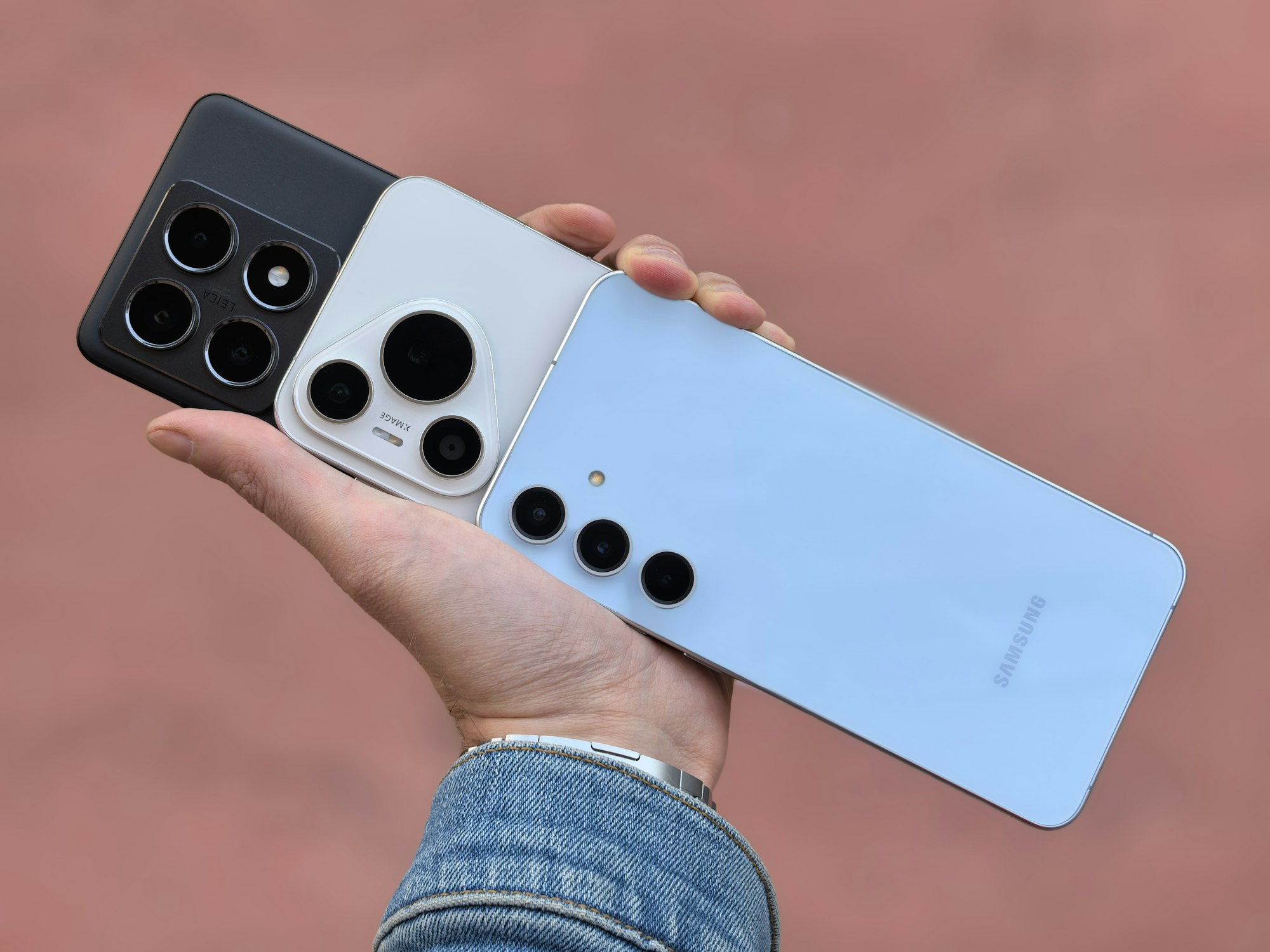
Trade-Ins and Financing Are Making Upgrades Easier
Another subtle but important factor behind this growth is the shift in how people buy new phones. Smartphone makers have gotten really good at reducing “upgrade friction.” Instead of saving for months or settling for older models, consumers can now swap in their old devices, pay monthly, or take advantage of discounts that make switching almost effortless.
These strategies, combined with the appeal of AI and new form factors, have made upgrading feel less like a luxury and more like the logical next step.
Conclusion
As 2025 winds down, the outlook remains optimistic. The growing appetite for AI features, from smarter cameras to on-device assistants, paired with more accessible foldables, suggests that the smartphone market might finally be finding its next big moment, as we are slowly witnessing manufacturers roll out what we could consider the next evolution of smartphones.
 Ogbonda Chivumnovu