



Imagine spending months building an indie game, finally putting a demo on Steam to get players interested, and then discovering someone has copied your idea and is racing to release their version first. That's the kind of situation some indie developers are worried about, and Valve knows it has a problem to address.
At the Steam Indie Connect event in Busan, South Korea, Valve representatives Tom Giardino and Marc Wilkinson acknowledged concerns about AI-generated games, cloning, and the growing number of low-effort releases competing for attention on Steam.
But don't expect Valve to start banning developers from using AI tools just yet.
“We don't want to be gatekeepers telling developers which tools they should or shouldn't use,” Giardino said.
For indie developers, that's an important distinction. Valve recognises the risks, but it hasn't announced new restrictions or specific protections against AI-assisted cloning. And if you're a PC gamer trying to find your next favourite indie game, the flood of releases could make that search a little harder, too.
 Emmanuel Umahi
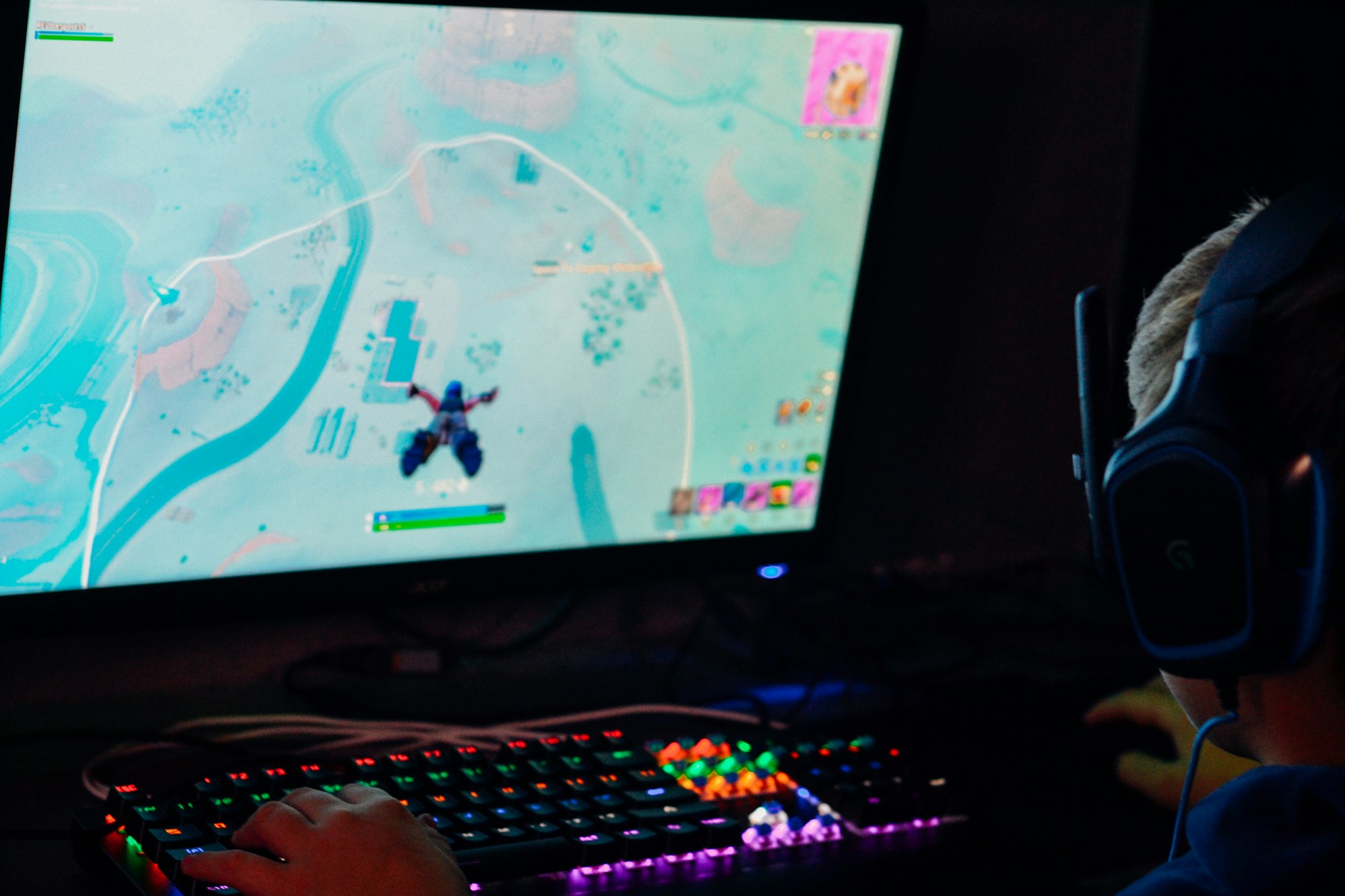
Indie developers are becoming wary of sharing demos
The worrying part isn't just that someone might copy a game's idea. It's how quickly they might do it. During the event, a developer reportedly described receiving an extortion threat warning: “If you don't pay, we'll clone your game with AI and release it first.”
Think about what that means for a small studio. A public demo can help build a community, attract attention, and give developers useful feedback before launch. But if someone can use that early access to copy the game's mechanics or presentation, sharing the demo suddenly feels a lot riskier.
That's not just a hypothetical concern. Digital Suns Games, the studio behind Moonlighter, cancelled a planned public demo of its upcoming game because of fears about AI-assisted cloning.
Its representative, Israel Mallén, suggested that storefronts such as Steam could give developers more control over who gets access to pre-release builds. That might mean considering account age, playtime, or review history before allowing certain users to participate.
Those safeguards could make it harder for suspicious accounts to access unreleased games, although they wouldn't eliminate cloning. Valve hasn't announced plans to introduce them.
Giardino also pointed out that game cloning existed long before generative AI. The difference is that AI can make copying faster and easier.
His advice to developers is to build a community around their games and keep adding features, personality, and creative ideas that are harder to replicate. That's sensible advice, but it doesn't solve the immediate problem of protecting a demo from someone looking to copy it.
 Emmanuel Umahi
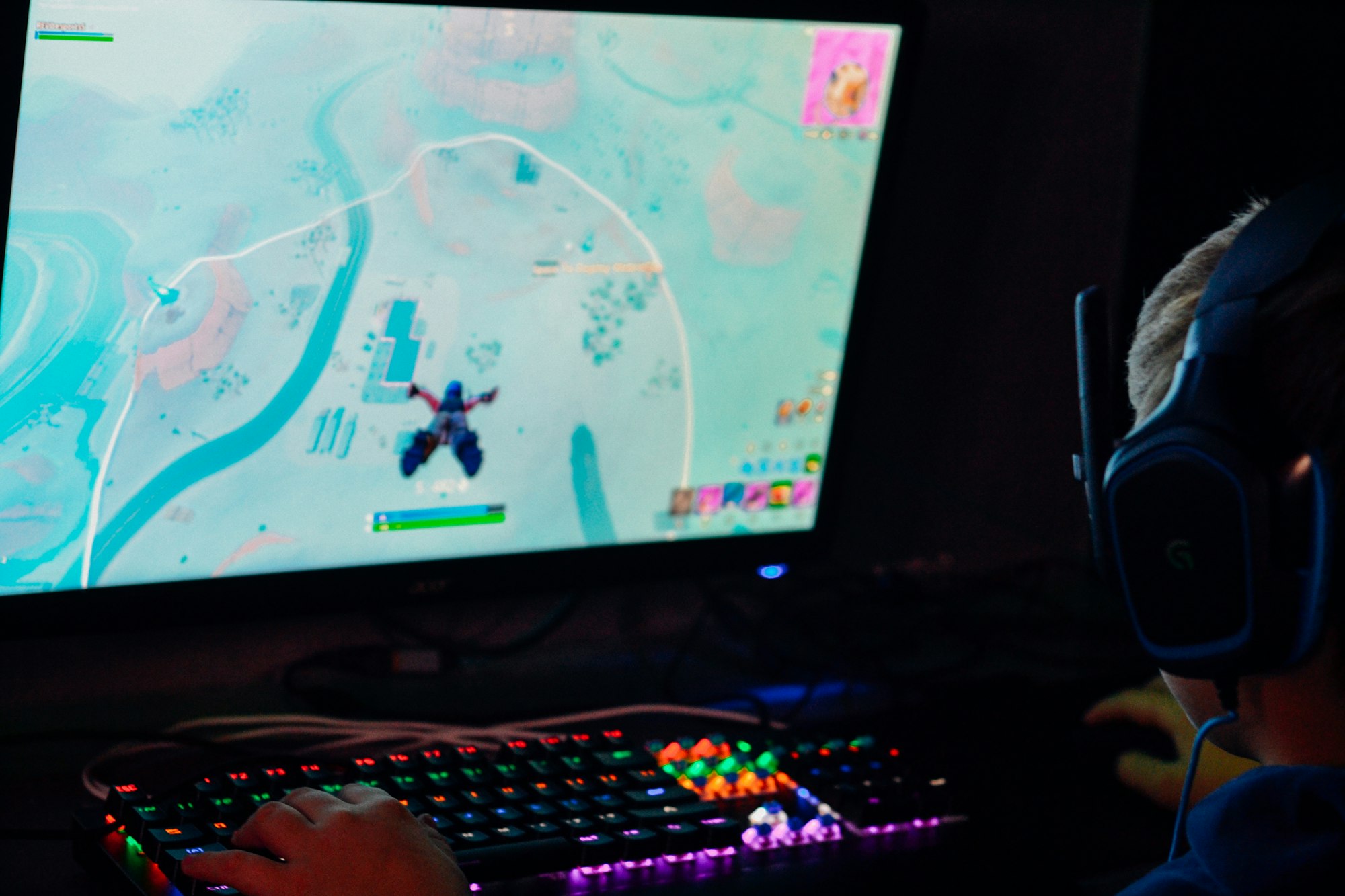
Steam Next Fest has another problem: too many games
If you've ever opened Steam Next Fest looking for something new to play and ended up scrolling through demo after demo, you'll understand the other side of this issue.
Next Fest is supposed to help upcoming games find an audience. But when thousands of demos compete for attention, finding the genuinely interesting ones becomes harder.
Wilkinson explained that Steam initially gives games largely random exposure during the first two days of Next Fest. After that, personalised recommendations become more prominent, showing players games that better match their interests.
The idea is to give developers a fair chance to be discovered before Steam leans more heavily on what individual players are likely to enjoy.
There's a catch, though. Random exposure also puts low-quality games in front of players.
“We recognize that the trade-off is some low-quality games get exposed,” Wilkinson said. He added that Valve understands the situation and that people are actively considering ways to address it.
The scale of the problem is difficult to ignore. Figures from SteamDB, cited by PC Gamer, showed that nearly 23,000 games had been released on Steam by late October 2026.
Not every poor-quality game is made with AI, and using AI doesn't automatically make a game bad. The concern is that a growing flood of low-effort releases can make it harder for good games to stand out, regardless of how they were made.
For a small developer without a major publisher or a big marketing budget, getting noticed can be just as important as making a good game in the first place.
Will Valve actually do anything about AI game cloning?
Subscribe for free to continue reading this article
Subscribe SubscribeAlready have an account? Log in


