



"Any sufficiently advanced technology is indistinguishable from magic."
Arthur C. Clarke's famous quote above came to mind while watching Tesla's latest Roadster perform its stunts. It almost felt surreal, dare I say magical, for a car to move that way.
That kind of thing usually stays in the realm of wacky sci-fi concepts we see in movies. Now, Elon Musk wants to bring a version of it closer to reality. The redesigned Tesla Roadster can launch itself into the air, spin mid-flight, and land using compressed-air thrusters.
At a special event at a SpaceX facility in Texas, Musk unveiled the long-awaited car, calling it “the best of the last of the human-driven cars.”
He also joked about the idea behind it: “I’ve never seen anything like this. You know when I suggested this to the team, I thought, ‘Am I crazy?’”
 Ogbonda Chivumnovu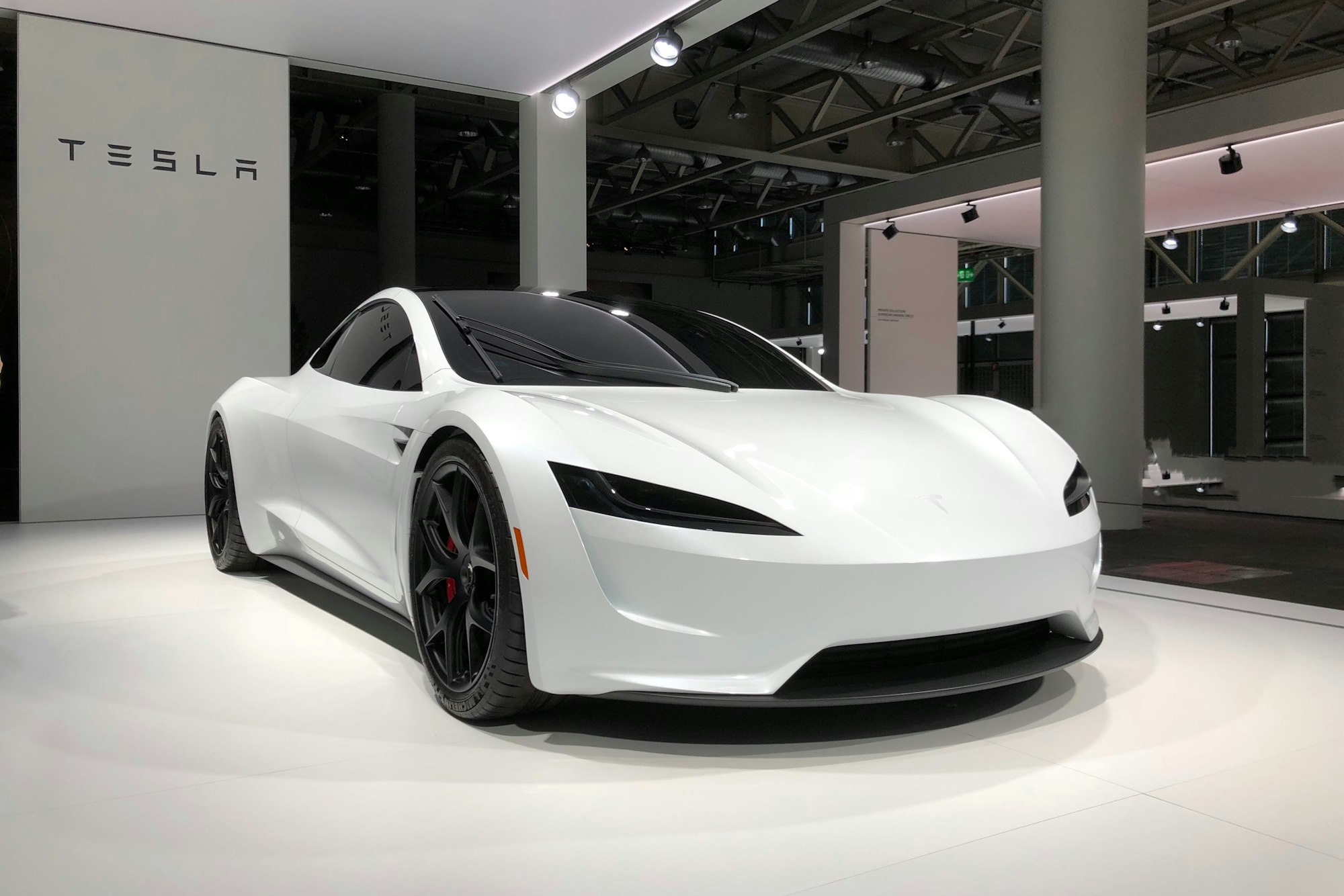
Crazy things Tesla showcased at the event
The demonstration was quite something. The Roadster drove up a curved ramp, used suction to travel upside down, then launched into the air, flipped, and landed using its thrusters. There was no driver inside during the stunt.
Tesla claims the Thrust version can accelerate from 0 to 60 mph in under a second. According to Musk, the car uses 10 cold-gas thrusters connected to 600 litres of compressed air to lift and spin itself in mid-air.
Tesla plans to offer three versions: Performance, described as “road ready”; Thrust, a “race ready” model with rear-mounted thrusters; and Rocket, an “air ready” single-seater with thrusters positioned around the car. The Rocket version is invite-only and is not approved for public roads.
All three versions are advertised with more than 300 miles of range and top speeds exceeding 230 mph.
“It literally is just going to puff itself up, and uh, and be able to do these maneuvers whenever you'd like,” Musk said.
Tesla is already accepting reservations. The Performance version requires a $50,000 reservation payment, while the Thrust version requires $250,000. The Rocket version is invite-only.
Musk says production will begin in 2028, although he has yet to announce the final prices.
 Ogbonda Chivumnovu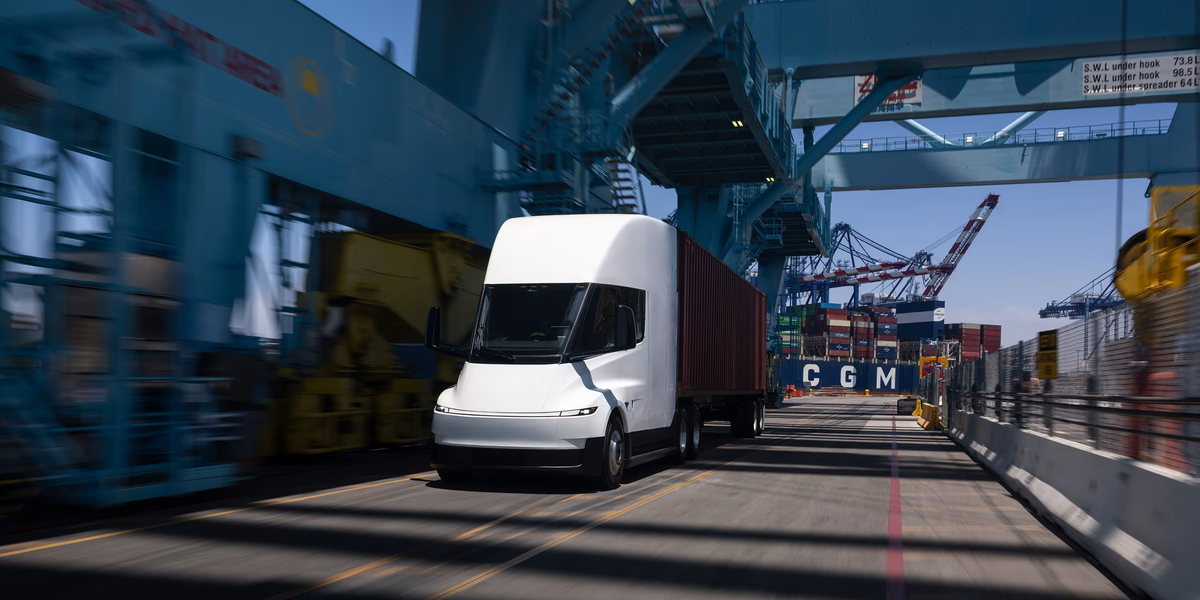
Can the Roadster actually launch publicly?
There are several concerns that come with the promise of a "flying car."
For starters, Tesla and Musk have a long history of missing product deadlines. Roadster itself was first unveiled in 2017, with deliveries initially expected in 2020. Production has since been pushed back several times. The Cybertruck and Tesla Semi have also faced delays.
That history gives potential buyers a reason to be cautious. The latest demonstration may have worked, but getting a prototype to perform a stunt is different from manufacturing a reliable car at scale.
Overlooking Tesla's and Musk's track record, there's still a safety and legal question over the launch of the Roadster. He himself acknowledged that the Roadster may not be legal everywhere.
“I'm not sure it's necessarily legal in all jurisdictions,” he said. When asked if the car was street legal, he responded: “Yeah, depends on your street.”
He also said, “Safety is not the main goal” and “if safety is your number one goal, do not buy the Roadster.”
Those comments raise an obvious question: how will regulators respond to a car designed to perform aerial manoeuvres? The US Federal Aviation Administration has a role in certifying aircraft, but the regulatory position for a vehicle combining road use with brief aerial manoeuvres is far from straightforward. The Rocket version, at least, is not approved for public roads.
Subscribe for free to continue reading this article
Subscribe SubscribeAlready have an account? Log in


