After 35 years in business, iRobot has filed for Chapter 11 bankruptcy protection in Delaware. But this isn't the end of the Roomba story. The company says it's restructuring and will continue operating while its primary lender and manufacturing partner, Shenzhen Picea Robotics, takes full ownership.
The deal, expected to close by February 2026, will wipe out roughly $190 million in debt from a 2023 loan, along with an additional $74 million owed to Picea under their manufacturing agreement. Other creditors and suppliers are set to be paid in full. For a company that peaked at a $3.56 billion valuation during the pandemic boom in 2021, the fall has been sharp. iRobot is now valued at around $140 million.
 Ogbonda Chivumnovu
Why did iRobot file for bankruptcy?
iRobot’s bankruptcy wasn't triggered by a single event, but by a steady erosion of its business model. According to court filings, the company generated about $682 million in revenue in 2024, yet profitability continued to slide as competition intensified.

Chinese rivals like Ecovacs Robotics undercut iRobot on price while matching features, forcing the company to discount its products and spend heavily on upgrades just to stay relevant. That pressure was compounded by geopolitics. A 46% U.S. tariff on imports from Vietnam, where iRobot manufactures most of its vacuum cleaners, added roughly $23 million in costs in 2025 alone, making long-term planning increasingly difficult.
But the most damaging blow came earlier. In 2022, Amazon agreed to acquire iRobot for $1.7 billion, a deal that would have given the Roomba maker a powerful parent and a clearer path forward. European regulators moved to block the acquisition in January 2024, citing concerns that Amazon could squeeze out rivals by restricting marketplace access. The deal collapsed, CEO Colin Angle resigned, iRobot’s shares plunged, and the company laid off 31% of its workforce. From there, recovery became unlikely.
 Louis Eriakha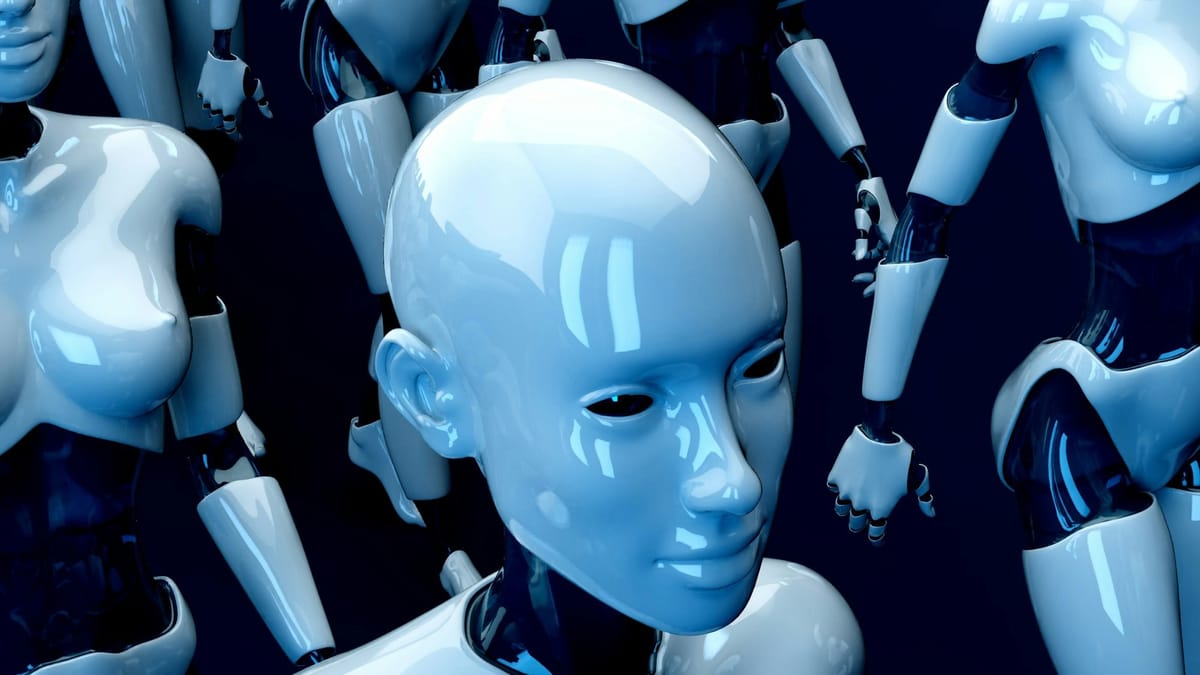
What will happen to Roomba owners?
For existing customers, iRobot says little will change in the near term. The company plans to continue selling products, honoring warranties, supporting its apps, and maintaining its supply chain during the restructuring.
That said, bankruptcy always carries uncertainty. If iRobot were to shut down its cloud services in the future, Roomba vacuums would still function at a basic level. You could press the physical button to clean or return to the dock. What would disappear are the features that made the devices feel modern: app-based scheduling, room mapping, and voice control through assistants like Alexa.
For now, though, continuity is the stated goal. CEO Gary Cohen described the acquisition as “a pivotal milestone in securing iRobot’s long-term future,” saying it would help stabilize the company for consumers and partners alike.
The real story is bigger than iRobot
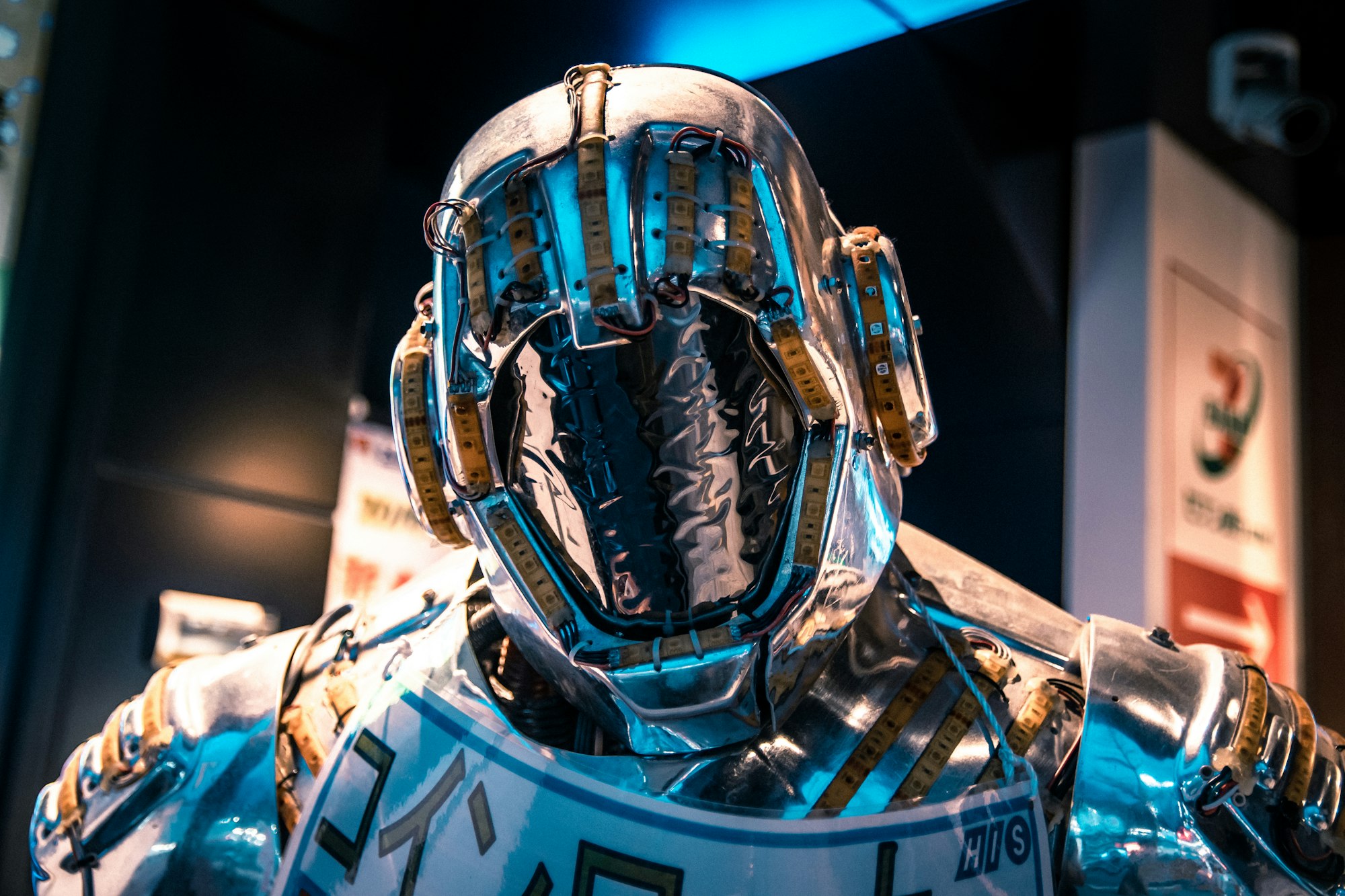
The timing of iRobot’s collapse is telling. Just days earlier, the robotics world gathered at the inaugural Humanoids Summit in Silicon Valley, where attention was firmly focused on AI-powered humanoid robots designed for homes and factories. These machines are meant to do far more than clean floors. They promise to fold laundry, unload dishwashers, patrol facilities, and interact naturally with humans.
According to McKinsey, about 50 companies worldwide have raised at least $100 million each to build humanoid robots, with China and North America leading the charge. Goldman Sachs estimates the humanoid robot market could reach $38 billion by 2035, with upside scenarios as high as $154 billion.
This contrast is stark. While iRobot fought to defend a single-purpose gadget against cheaper competition, the robotics industry moved toward general-purpose machines. Ironically, one of the loudest skeptics of the humanoid hype is Rodney Brooks, an iRobot co-founder, who warned last year that today’s humanoid robots may never achieve true dexterity despite massive investment.
Still, the direction of travel is clear. Consumer robotics is shifting away from narrowly defined devices toward platforms that promise flexibility and autonomy. Whether humanoids ultimately live up to expectations is an open question. What's no longer in doubt is that companies built around one-task robots are finding it harder to survive in a market that has already moved on.
For iRobot, that shift arrived too fast, and at too high a cost.
 Partner Content