After 15 years at the helm and a run that took Apple from a $350 billion company to a $4 trillion powerhouse, it’s now official: Tim Cook is stepping down as CEO. On September 1, 2026, Apple’s Senior Vice President of Hardware Engineering, John Ternus, will take over the top job, while Cook transitions into the role of executive chairman.
For many Apple watchers, the name John Ternus isn’t entirely new. He’s been one of the most visible faces at Apple keynotes in recent years, regularly walking on stage to introduce new Macs, iPads, and iPhones. But outside of product events, Ternus has largely stayed behind the scenes, quietly shaping the hardware that defines modern Apple. Now, he’s stepping out from behind the products to lead the company itself.
 Louis Eriakha
So, who exactly is John Ternus?
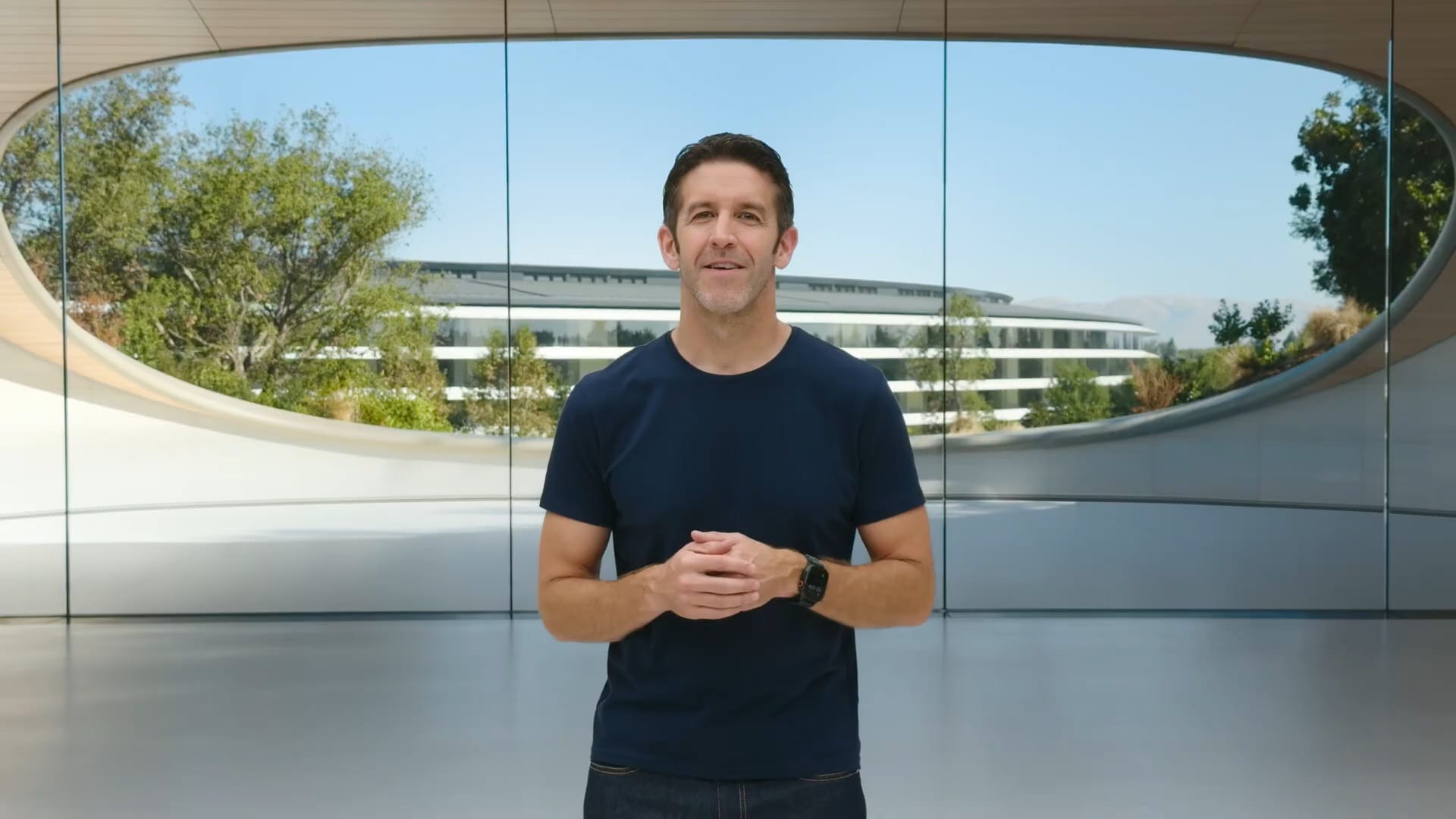
Ternus joined Apple in 2001 as part of the company’s product design team, at a time when Apple was still rebuilding its identity under Steve Jobs. He started out working on Mac hardware and gradually rose through the ranks as Apple expanded into new categories. By 2013, he had become Vice President of Hardware Engineering, and in 2021, he joined Apple’s executive team as Senior Vice President of Hardware Engineering, reporting directly to Cook.
Over more than two decades, Ternus has worked across virtually every major Apple product line. His engineering oversight has touched iPad, AirPods, Mac, Apple Watch, and eventually the iPhone. In many ways, his career mirrors Apple’s own expansion from being “the Mac company” into a multi-category hardware giant.
Cook himself described Ternus as someone with “the mind of an engineer, the soul of an innovator, and the heart to lead with integrity and with honour,” adding that his contributions over 25 years are “too numerous to count” and that he is “without question the right person to lead Apple into the future.”
What Ternus has already built at Apple
As SVP of Hardware Engineering, Ternus hasn’t just overseen incremental updates. He has been at the centre of some of Apple’s most consequential hardware shifts in recent years.
He reportedly played a key role in the Mac’s resurgence. According to Reuters, "one of Ternus' biggest tests came when he steered the Mac laptop line onto processors Apple designed itself, ending more than a decade of reliance on Intel and marking a big bet by the company often accused of playing it too safe."
Under his leadership, the Mac category has become more relevant globally than at any time in its 40-year history, capped recently by the launch of the MacBook Neo, a more affordable Mac aimed at expanding the platform’s reach. The move has boosted Mac performance and battery life, sparking a resurgence in sales in recent years.
Recalling the thinner, faster Macs the new chips made possible, Ternus told CNBC in 2023 that "it was almost like the laws of physics had changed."
Ternus also oversaw hardware work across multiple generations of iPhone, including the radically redesigned iPhone Air and the iPhone 17 lineup, as well as continued advancements in durability and materials. Apple credits his team with introducing new techniques that have made devices more resilient, more repairable, and more environmentally friendly, including the use of recycled aluminium compounds across product lines and innovations like 3D-printed titanium in Apple Watch Ultra 3.
His work on AirPods has gone beyond audio, pushing them toward becoming part of Apple’s broader hearing health ambitions, with features that can serve as over-the-counter hearing aids. That blend of hardware, health, and practical utility is a signature of how Apple products have evolved in recent years, and Ternus has been right at the centre of it.
What his leadership might look like

Ternus’s appointment signals something important about where Apple believes it’s headed. After years of operational excellence under Cook, Apple is returning to a CEO with deep product design and engineering roots, much like Jobs.
At a time when the tech industry is being reshaped by artificial intelligence, mixed reality, and new hardware experiences, having an engineer at the top could influence how aggressively Apple pushes into new categories and how tightly hardware, software, and AI are integrated.
Ternus himself acknowledged the weight of the role, saying, “I am profoundly grateful for this opportunity to carry Apple’s mission forward… I am humbled to step into this role, and I promise to lead with the values and vision that have come to define this special place for half a century.”
If his track record is anything to go by, Apple under John Ternus may feel even more product-led, more engineering-driven, and more focused on the physical experiences of technology in people’s lives.
And while Tim Cook’s era will be remembered for scale, services growth, and operational brilliance, John Ternus’s era may be defined by how Apple’s hardware evolves in a world increasingly shaped by AI, sustainability, and new forms of human-computer interaction.
Louis Eriakha