Microsoft is running into an unexpected problem on the hardware side of its gaming business: people still want the Xbox more than it can actually produce.
Speaking during the Game Business live at Summer Game Fest 2026 conversations, Xbox Chief Strategy Officer Matthew Ball confirmed that console demand is currently outpacing supply, not because interest is fading, but because manufacturing constraints are tightening across the industry.
“We are producing them as quickly as possible. There is a severe limitation to how quickly we can do that, but it’s not a question of appetite,” he said.
In other words, Xbox isn't struggling to sell consoles. It's struggling to make enough of them. Ongoing component shortages and rising hardware costs, particularly as AI demand consumes more chips and infrastructure, are making it harder to scale production at the pace players want. That pressure is now feeding directly into bigger questions about what comes next for Xbox hardware.
 Emmanuel Umahi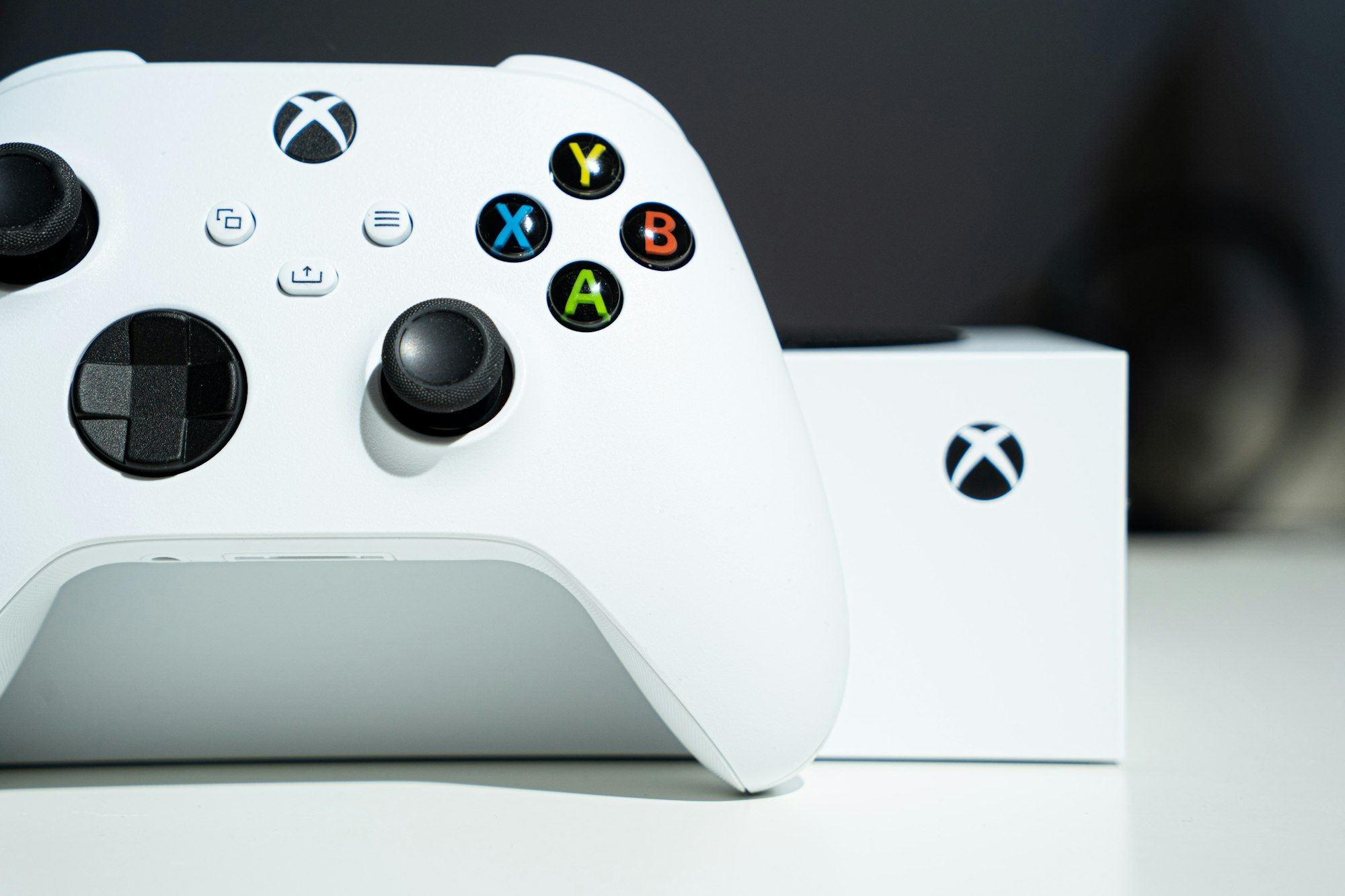
Project Helix and the pressure to rethink the next Xbox
The more revealing part of Ball's comments wasn't about current supply constraints, but about the future. Microsoft is rethinking key aspects of its next-generation hardware roadmap, internally referred to as Project Helix, as rising component costs reshape what a future console can realistically look like. Ball said the company is reworking its assumptions to ensure the next Xbox is both accessible and sustainable in a more expensive hardware market. “We are working very hard to rethink everything that we can about Helix... to make sure it is affordable, to make sure that it's flexible,” he explained.
That language matters becuase it suggests Xbox is no longer treating the next generation as a simple "more powerful console" cycle, but as something that may need a more adaptable structure to survive changing economic conditions.
Ball also suggested Xbox is exploring changes that expand how players access the platform rather than replacing the traditional console model entirely, describing the approach as "additive" rather than "exclusionary." Menawhile, another tension at the heart of Xbox’s strategy is that Microsoft still has tens of millions of existing console owners who expect a premium experience, but also cannot realistically be priced out of the ecosystem.
“We also have tens of millions of people who we asked to spend $500, which is still an incredible sum of money,” Ball said, arguing that Xbox has an obligation to reward the customers who chose the platform.
 Emmanuel Umahi
On top of that, industry conditions are not expected to stabilise anytime soon, with hardware pressures projected to continue for another two to two-and-a-half years.
There's also added strain from the broader Xbox ecosystem. Ball said Xbox Game Pass lost "millions" of subscribers following last year's price increases, adding another layer of pressure as Microsoft balances hardware affordability with subscription value.
Even internally, the mood appears cautious. Ball revealed that Xbox CEO Asha Sharma asked him whether the platform was "fixable" when he joined the company earlier this year, underscoring the scale of the challenges facing Xbox. Ball said he remains optimistic that the business can be reshaped and strengthened over time.
Despite all of that, Microsoft is still signalling commitment to its next wave of games, with titles like Gears of War: E-Day, Fable, and Halo: Campaign Evolved expected to anchor the platform as it moves through this transition.
But the bigger picture is hard to miss: Xbox's next generation may not just be defined by power or exclusives, but by how well it adapts to a hardware market where cost, supply, and flexibility now matter just as much as performance.
 Emmanuel Umahi