



I would by no means call myself a developer. I tried learning how to code back in 2023, or maybe 2022; I honestly can’t remember, but my knowledge is still pretty basic. I can put together a few things with HTML and CSS, and that’s about where my coding journey currently ends.
And I’m probably not alone. Plenty of people own businesses but have never written a line of code. They may want a website but don’t have the money to hire a developer or simply don’t know where to start.
With AI coding tools becoming increasingly capable, I wanted to find out whether they could fill that gap. Could someone with almost no coding knowledge use an AI model to create a functional website for their business without spending a fortune?
For the experiment, I gave six AI models the same prompt: build a website for a local Nigerian thrift clothing store. I deliberately kept the prompt relatively simple and used the free versions of each model, since someone working on a tight budget would probably do the same.
I also didn’t give the models follow-up prompts to fix their mistakes. I wanted to see what they could produce from that first attempt. But I wasn’t simply looking for the prettiest website. I wanted to know whether the result could actually work for a real business.
So I tested each website across five main areas: functionality, business readiness, user experience and navigation, design, and content and product presentation. I clicked the buttons, tested forms and shopping carts, checked navigation, looked at the product information and images, and considered whether a small business owner could realistically publish the site after fixing the obvious problems.
That distinction turned out to matter a lot because several of the websites looked finished at first glance. Once I started clicking around, however, some of them began to fall apart.
 Damilare Odedina
/1. ChatGPT
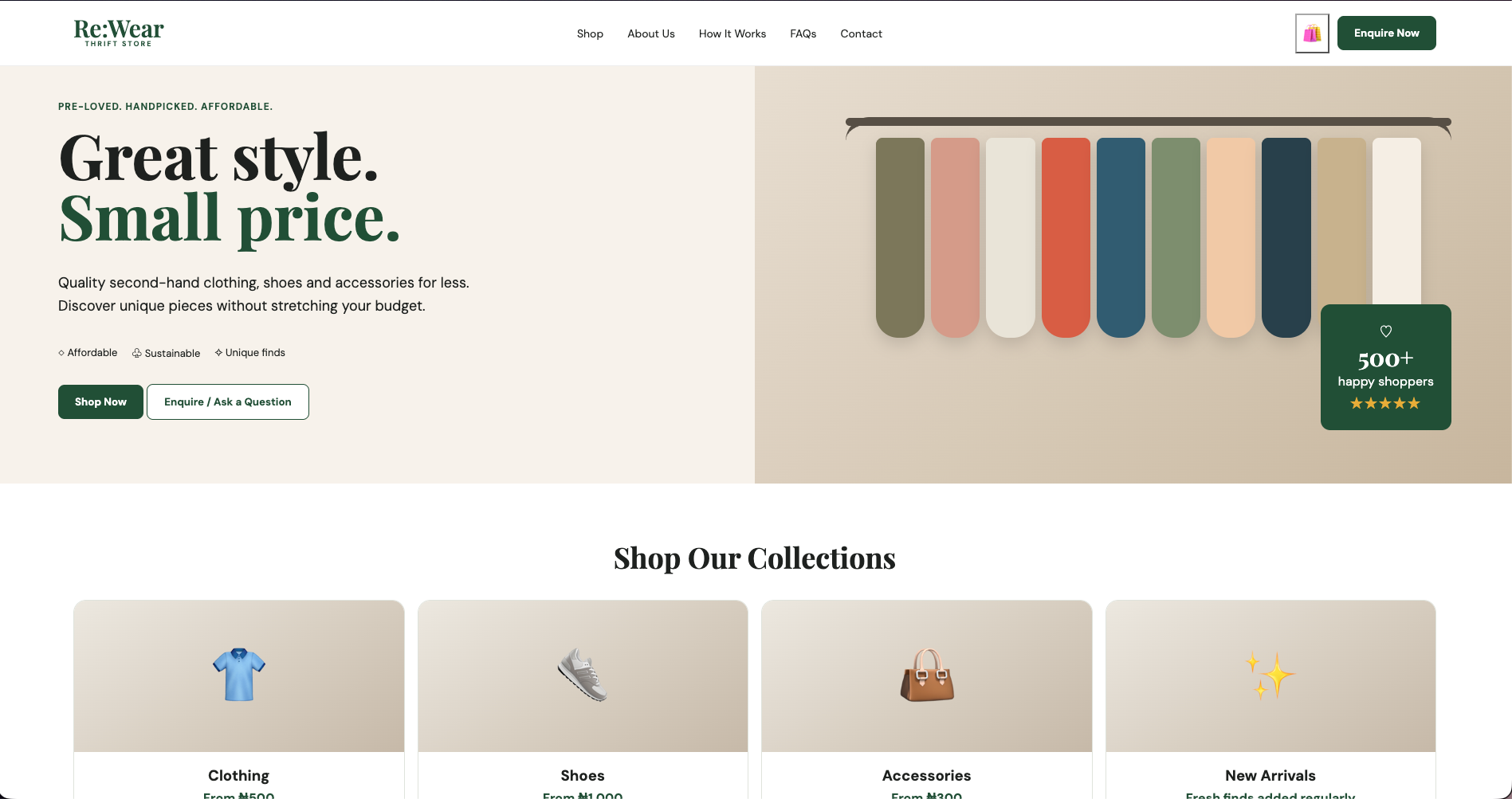
ChatGPT was one of the first sites that actually felt like a real business website rather than just a design mock-up.
The design was simple but interesting, and it generated actual products with prices in Nigerian naira. It also understood that the business was based in Nigeria, adding Nigerian contact details and a country code.
More importantly, some of the buttons actually worked.
Clicking “Shop Now” brought up an enquiry form where visitors could enter their name, phone number, and what they were looking for. The site also had an FAQ section with useful questions and answers, alongside familiar sections such as Shop, About Us, How It Works, FAQs, and Contact.
Subscribe for paid membership to continue reading this article
Subscribe SubscribeAlready have an account? Log in


