Vivo has quietly built one of the most interesting smartphone lineups in the market. The Chinese brand has come a long way from being known mainly for selfie-heavy budget phones. Today, it competes seriously with Samsung and Apple on camera quality, packs some of the most powerful chips available, and has a surprisingly strong mid-range game too, especially if you care about photography.
That said, Vivo releases a lot of phones. Between the X-series, V-series, S-series, and Y-series, it can get overwhelming pretty quickly. Not every phone is worth your money, and not every phone is built for the same person.
So instead of making you wade through the entire catalogue, we've rounded up the best Vivo phones for different types of buyers, from all-out flagship seekers to people who just need something reliable that won't drain their wallet.
1) Best Flagship: Vivo X300 Ultra
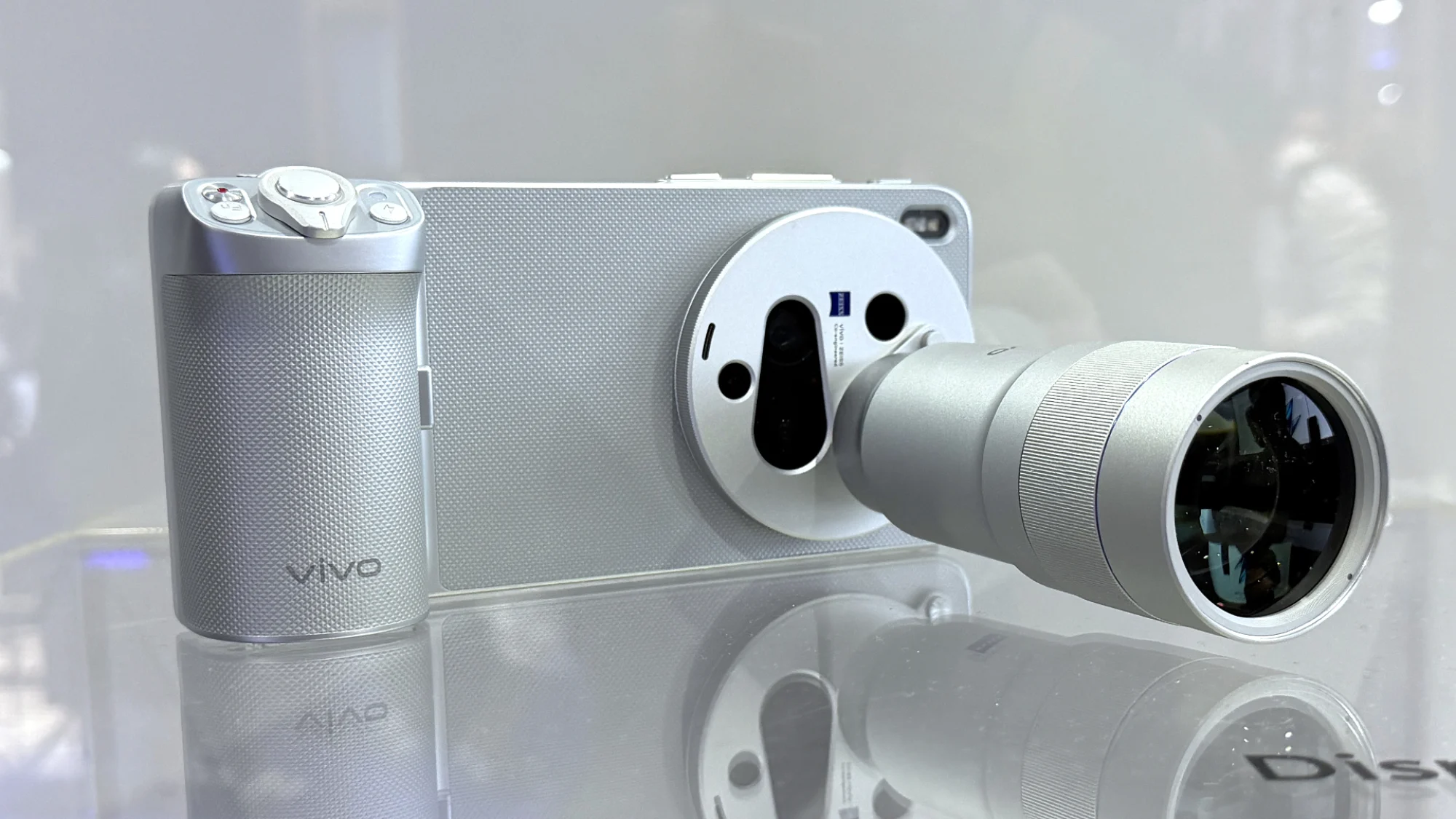
If you have $1,300 to spend and you're on the lookout for the best Vivo has to offer, the Vivo X300 Ultra is probably the option for you.
The Vivo X300 Ultra is one of the most powerful smartphones available right now, powered by Qualcomm's Snapdragon 8 Elite Gen 5 and backed by up to 16GB of LPDDR5X RAM. But this phone is really about the cameras. On the back, you get a 200MP main camera using Sony's LYT-901 sensor with a 35mm focal length, a deliberate choice that appeals to street photographers and photojournalists who prefer a tighter, more natural-looking perspective, paired with a 200MP periscope telephoto and a 50MP ultrawide. All three lenses are co-developed with Zeiss.
The 6600mAh battery supports 100W fast charging, getting to 50% in just 10 minutes and fully charged in about 30 minutes. The display is a 6.82-inch 2K AMOLED panel with a 144Hz refresh rate, and the phone carries IP68 and IP69 certification for water and dust resistance.
It's best for mobile photographers, video creators, and power users who have been waiting for a Vivo flagship to finally make it to global markets. The X300 Ultra was the first Vivo Ultra model to get a proper global release, going on sale in Europe, South and Southeast Asia, the Middle East, and Brazil from April 2026. If you shoot professional video or want the option of attaching Zeiss telephoto extender lenses, this is the one.
2) Best Compact Flagship: Vivo X300 FE
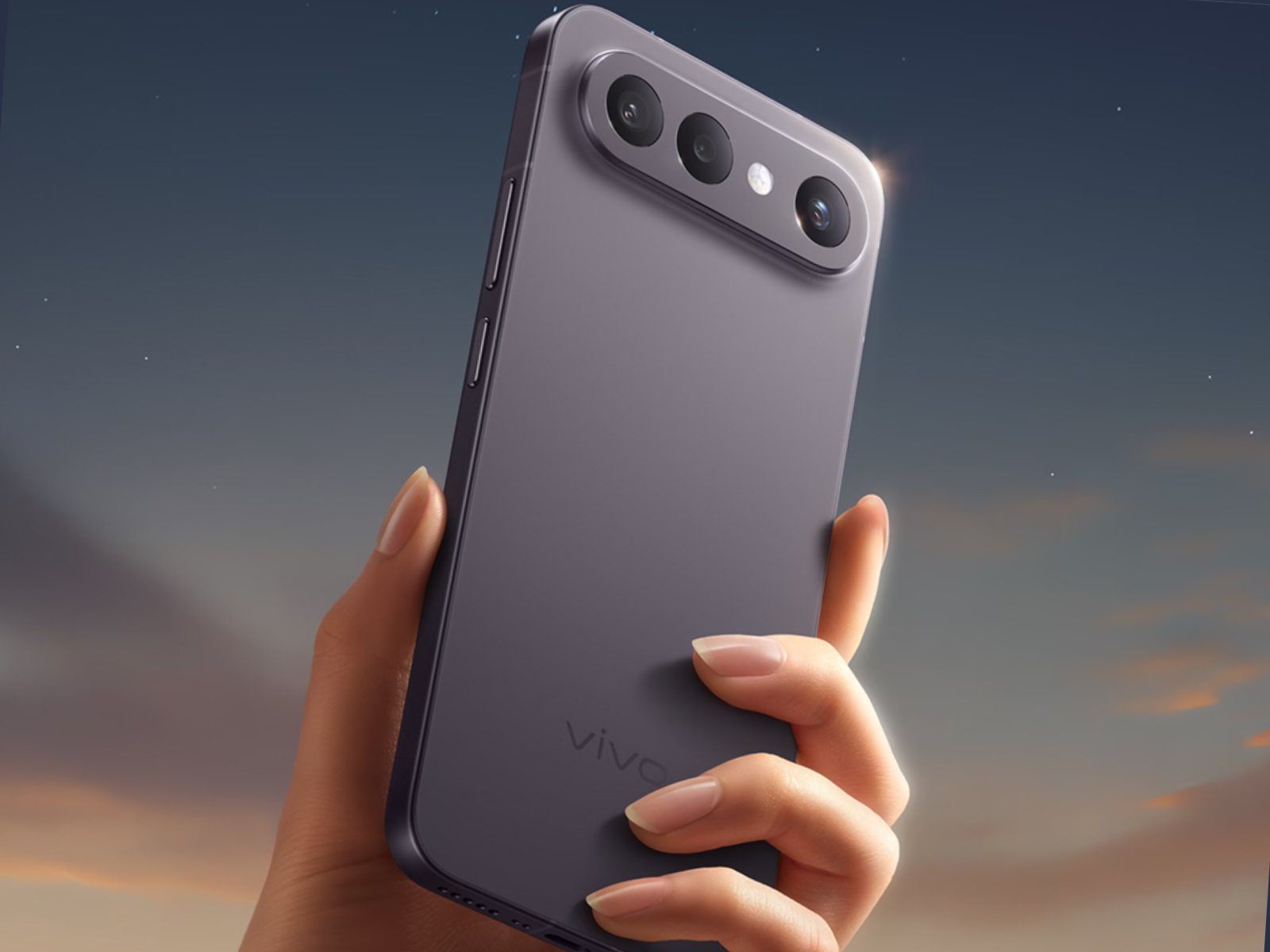
If you're looking for something that's a bit more compact, the x300 FE might be one to consider.
Starting at $1,167, the X300 FE is the only 6.3-inch Android phone in 2026 that combines a 6,500mAh battery with IP69, wireless charging, and a 3x periscope telephoto camera. That's a genuinely impressive combination for a phone of its size. It runs on the Snapdragon 8 Gen 5, not the 8 Elite variant, but for most everyday flagship tasks, you won't notice the difference.
The display is a 6.31-inch LTPO AMOLED panel with a 1.5K resolution, 120Hz refresh rate, and 5,000 nits peak brightness, protected by Gorilla Glass 7i. The cameras include a 50MP Sony IMX921 main camera, a 50MP Sony IMX882 periscope telephoto with 3x optical zoom, and an 8MP ultrawide.
The X300 FE offers four OS upgrades paired with seven years of security updates, which is an edge most competitors at this price simply don't offer.
3) Best Mid-Range Camera Phone: Vivo V70
For something a bit cheaper, the Vivo V70 starts at about $545 and runs on the Snapdragon 7 Gen 4 chipset and features Zeiss-powered optics, 90W fast charging, Android 16, and an IP68/IP69 rating, all things you'd expect to pay a lot more for. The primary camera uses a Sony LYT-700C sensor at 50MP, paired with a 50MP Sony IMX882 telephoto lens and an 8MP ultrawide.
The V70 packs a 6.59-inch display, 12GB of RAM, and a 6,500mAh battery. The display supports a 120Hz refresh rate, and the phone is available in Gold, Gray, and Brown colourways. A nice departure from the usual black-and-white options most mid-rangers offer.
The V70 is built for the photo-enthusiast on a mid-range budget. If the idea of Zeiss cameras and telephoto macro shots sounds appealing but you're not quite ready to spend flagship money, this is the phone. It's also a solid pick for content creators who want a versatile camera setup without carrying around a large, heavy device.
4) Best Compact Powerhouse: Vivo S50 Pro Mini
Starting at about $525, the Vivo S50 Pro Mini packs a Snapdragon 8 Gen 5 chipset into a 6.31-inch body. It features a 50MP main camera using a Sony IMX921 sensor, a 50MP Sony IMX882 periscope telephoto camera with 3x optical zoom, and an 8MP ultrawide, along with a 50MP front camera with autofocus.
The phone is built on an aerospace-grade aluminium frame with IP68/IP69 dust and water resistance, dual stereo speakers, and a 4,200mm² vapour chamber cooling system. Battery capacity sits at 6,500mAh with 90W fast charging.
It's worth noting that the S50 Pro Mini is currently limited to the Chinese market, though it's widely available through import channels.
5) Best Budget Option: Vivo Y05
The Vivo Y05 doesn't pretend to be something it's not, and that's exactly what makes it good value. It features a 6.74-inch LCD with a 120Hz refresh rate and up to 1,200 nits of peak brightness. The 6,500mAh battery is rated to maintain 80% of its original capacity after 1,600 full charging cycles, which translates to years of reliable battery life with regular use.
The Y05 runs Android 16 with OriginOS 6 and meets MIL-STD-810H military-grade durability standards, meaning it can take a knock or two without issue. On the downside, it runs on a 4G-only Unisoc T7225 processor with 4GB of RAM, 64GB or 128GB of storage, a single 8MP rear camera, and 15W charging, so don't expect miracles on the performance or photography front.
The phone retails for about $100, making it a decent option for first-time smartphone buyers, people who need a reliable secondary device, or anyone whose top priority is simply having a phone that lasts all day and can survive the occasional drop. It's no-frills, but it gets the job done.