There's been a growing backlash against Google’s push to turn Search into an AI-powered assistant, and one privacy-focused search platform appears to be benefiting from it.
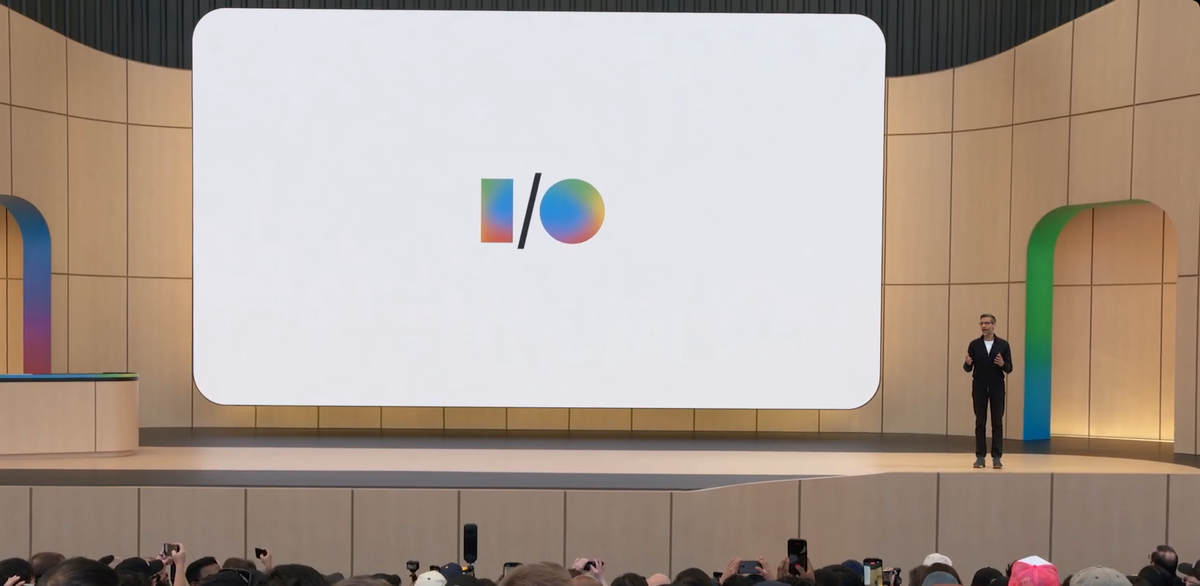
DuckDuckGo, the company in question, is seeing a spike in user traffic and app downloads after Google unveiled its new “Overhaul to Search” feature at its annual developer (Google I/O) conference this month. The feature replaces the familiar list of blue links with AI-generated answers capable of completing tasks, summarising information, and even monitoring queries in the background.
But contrary to Google’s framing of the feature as an improvement to Search, the rollout has drawn criticism from users who argue that the AI-first model could damage the open web, produce unreliable responses, and remove the option for people who prefer a normal search experience.
What the Google Search AI backlash means for DuckDuckGo
For DuckDuckGo, though, which remains a privacy-oriented alternative and distant competitor to Google, app installations in the U.S. reached a peak increase of 30.5% on May 25, while installs grew 18.1% week-on-week between May 20 and May 25.
Meanwhile, on Apple’s iOS platform, the momentum was even more pronounced, with average weekly growth climbing 33% and installs surging by nearly 70% in a single day. DuckDuckGo also reported a 22.7% week-on-week increase in visits to its AI-free “No AI” search page.
Despite Google’s dominance in search, DuckDuckGo founder and CEO Gabriel Weinberg pushed back against the direction of the company’s recent overhaul, saying Google is “force-feeding AI with no way to opt out.”
In his statement to TechCrunch on Tuesday, Weinberg argued that the changes are degrading the quality of search results rather than improving them. He added that DuckDuckGo aims to position itself as an alternative where users remain in control, allowing them to decide how much AI they want, or whether they want it at all.
“Not only do we respect user choice, but also user privacy,” Weinberg said. “Everything you do in DuckDuckGo is private; we don’t collect search histories or chats, and nothing is used for AI training.”
Unlike Google’s approach of embedding its AI directly into Search, the privacy-focused platform gives users the option to choose when and how they interact with AI tools. Among its featured products are Duck.ai, the company’s free AI chatbot, which gives users access to models including Anthropic’s Claude 4.5 Haiku, Meta’s Llama 4 Scout, Mistral’s Small 3 24B, and OpenAI’s GPT-5 mini.
Yet despite its growing popularity among U.S. users, DuckDuckGo remains far from challenging Google’s dominance, currently accounting for only around 2% of the U.S. search market.
 Louis Eriakha