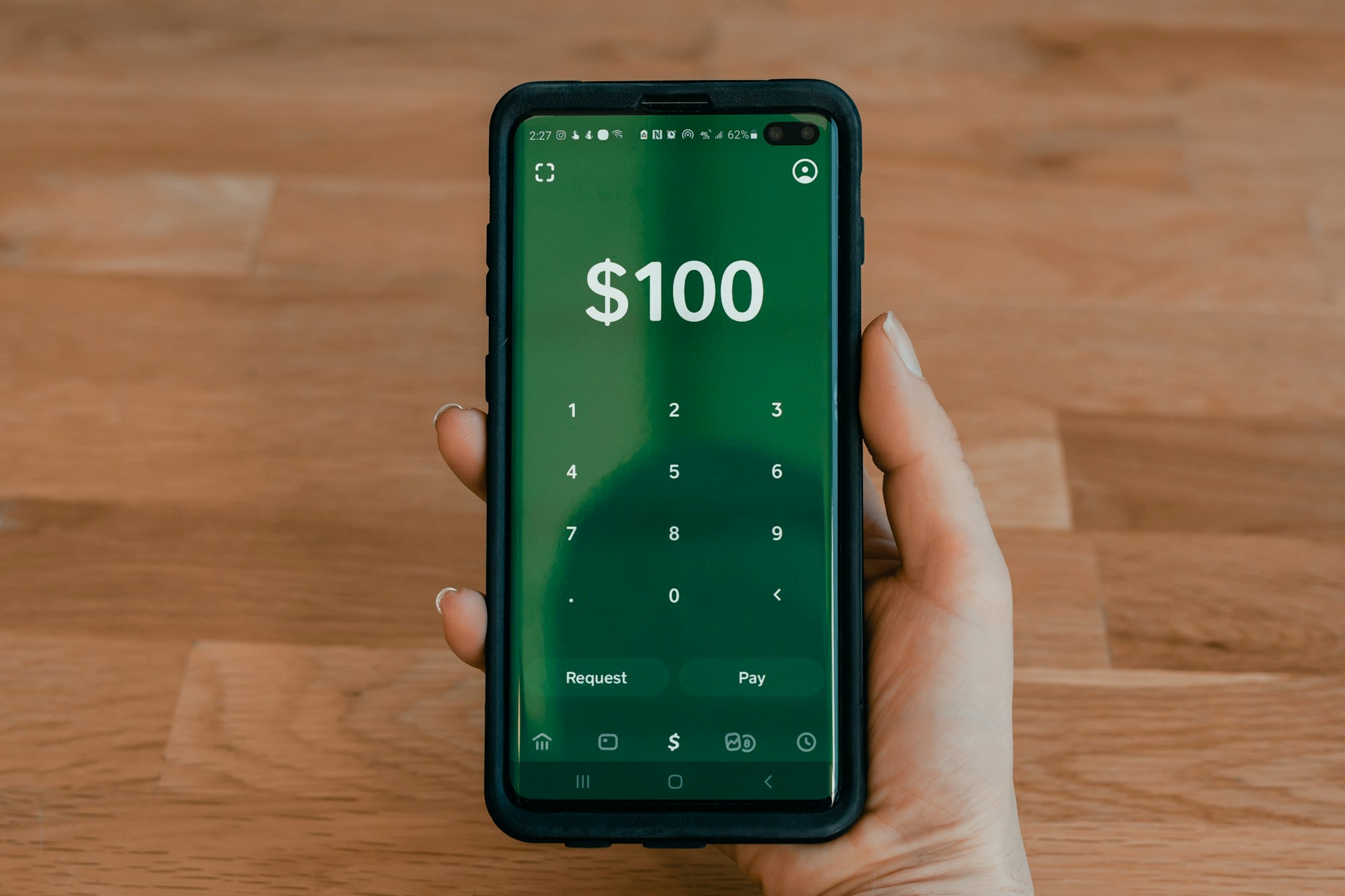
In July 2025, Nigerians quietly regained something many had been missing for years: the ability to make international payments with their bank cards. Subscriptions began working again, foreign tools became easier to pay for, and online checkouts stopped failing as often.
It didn’t fix cross-border payments in Africa, but it did remind everyone how strong the demand still is for simpler ways to move money beyond local borders. Now, another shift may already be taking shape as PayPal is in talks with African fintechs ahead of a planned 2026 launch of PayPal World.
The idea is a cross-border digital wallet layer that sits on top of existing local wallets. Instead of asking users to open a new PayPal account, the system would connect the wallets people already use to PayPal’s global merchant network, handling interoperability quietly in the background.
 Louis Eriakha
This model builds on PayPal World’s earlier rollout in markets like India, China, and Brazil, where it partnered with dominant local payment systems such as UPI, WeChat Pay, and Mercado Pago. Those platforms already control everyday payments in their markets, much like mobile money services and bank-backed wallets do across Africa. Rather than trying to replace them, PayPal is positioning itself as a bridge between local payment habits and international commerce.
If it works as described, users would pay with their local wallet, tap a PayPal option, and let PayPal manage the cross-border leg of the transaction. Merchants already on PayPal wouldn't need new integrations, and users would avoid the friction of failed payments or extra accounts. In a region where wallets work well domestically but struggle internationally, that distinction matters.
There's also a practical reason this approach fits Africa. Payments are heavily regulated and fragmented by country, with compliance responsibilities largely sitting with licensed local providers. By partnering with those providers instead of operating standalone wallets, PayPal can reduce regulatory friction while expanding its reach.
PayPal already works with African fintechs like M-PESA and Flutterwave, mainly around receiving funds from abroad. PayPal World would extend that relationship by enabling broader wallet-to-wallet use cases, including paying foreign merchants directly. If it comes together as planned, it won’t radically change how people pay day to day, but it could make cross-border payments feel far less complicated than they do today.
 Oyinebiladou Omemu