- Nigerians traded over $50B in crypto, showing a shift in financial confidence.
- Only 4% invest in stocks, while 60M bet daily, highlighting weak trust in formal markets.
- Nigeria’s market cap-to-GDP ratio is just 30%, far below global peers.
Everywhere you look, money is moving, just not where regulators expect it to. Nigerians are trading crypto, betting daily, and finding new ways to grow their income outside formal channels. Yet the country’s traditional investment market remains painfully quiet.
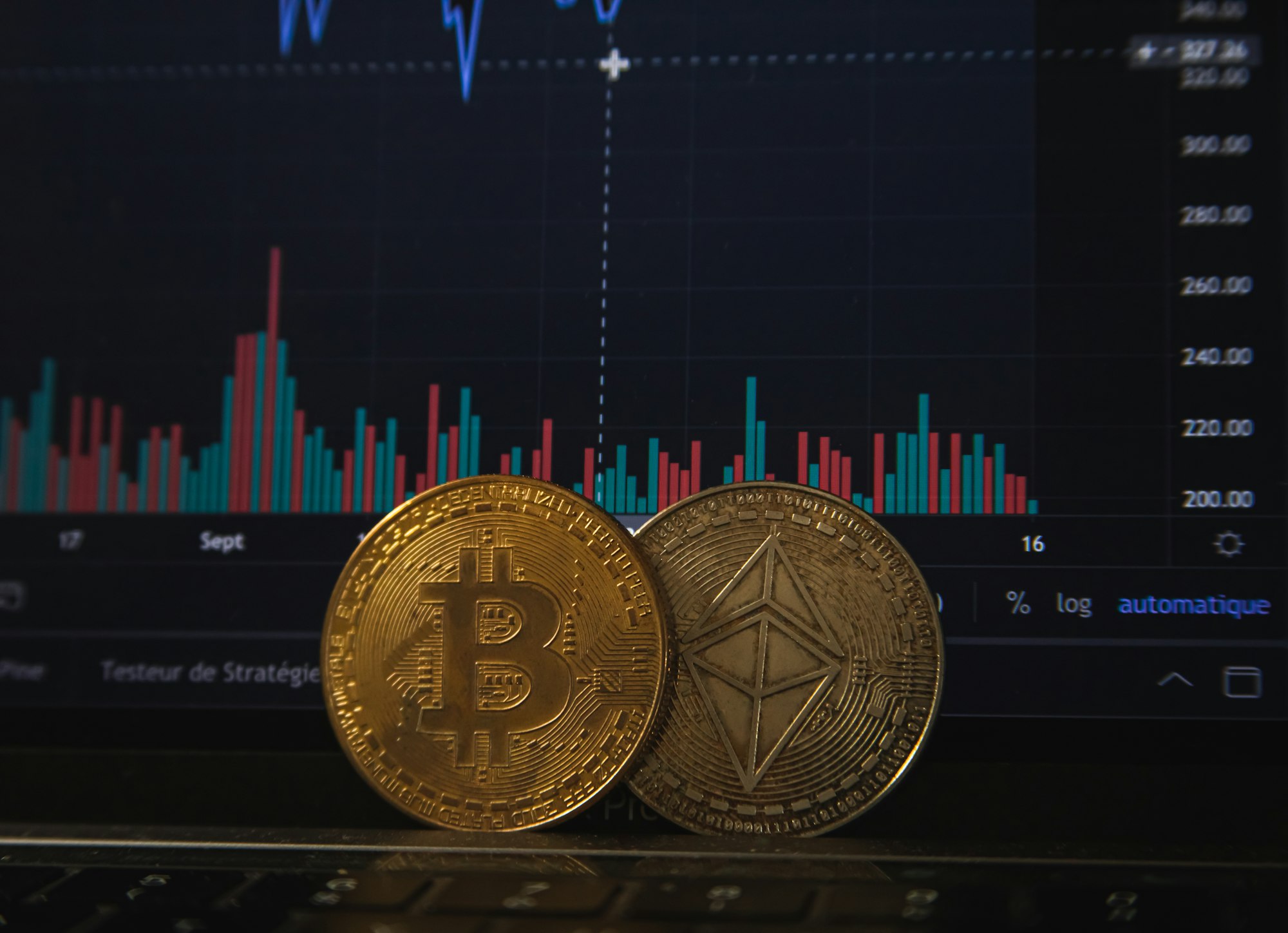
Between July 2023 and June 2024, Nigeria’s crypto market moved more than $50 billion in trades. According to the SEC Director-General, Dr Emomotimi Agama, that’s the scale of digital asset activity happening under Nigeria’s nose right now. One that forces you to pay attention.
If we go by the numbers from our earlier coverage, around $21.8 billion of that came from stablecoins such as USDT and USDC. That number tells a bigger story. Nigerians aren't just speculating for quick profits. They're treating digital assets like real financial instruments, using them to save, move, and hedge money in a system that often feels unstable.
MORE INSIGHTS ON THIS TOPIC:
- Are Stablecoins Quietly Powering Africa’s Crypto Growth?
- Is the Role of Stablecoins in Latin America Becoming Clearer?
- What China’s first CNH stablecoin means for the future of global finance
Why are Nigerians investing in crypto instead of the stock market?
But while billions flow through crypto wallets, only a fraction of Nigerians invest in the formal capital market. The SEC chief said less than 4% of adults own local stocks, which is roughly three million people. By comparison, more than 60 million Nigerians place bets every day, wagering an estimated $5.5 million. The contrast is staggering.
So, why the gap? Part of the problem lies in how the market has been managed. Out of 108 initiatives planned under the Capital Market Master Plan, fewer than half have been completed. Many stalled because of weak coordination, slow execution, and limited stakeholder buy-in.
Sure, there’s been progress in a few areas like Green Bonds, Sukuk, fintech integration, and non-interest finance. But the bigger problem remains that market liquidity is trapped in just a few big names. Companies like Airtel Africa, Dangote Cement, and MTN Nigeria dominate the exchange, while the rest of the market barely moves. That kind of imbalance makes the whole system feel narrow and outdated. Not to mention how this structural weakness shows up in the numbers.
Nigeria’s market capitalization-to-GDP ratio sits at just 30%, far behind South Africa’s 320%, Malaysia’s 123%, and India’s 92%. In plain terms, it means the country’s capital market hasn’t grown deep enough to support national development. That gap becomes even clearer when you consider Nigeria’s $150 billion annual infrastructure deficit. Only ₦1.5 trillion (~$1.03 billion) has been approved in PPP bonds—a drop in the ocean compared to what’s needed.
 Louis Eriakha
What will it take to rebuild trust in Nigeria’s capital market?
To fix this, the SEC Director-General outlined six priorities for reform: low retail participation, market concentration, falling foreign inflows, underused pension assets, untapped diaspora capital, and the infrastructure financing gap. The goal is to move from enforcing rules to enabling growth by rebuilding trust, transparency, and inclusion.
As Dr Agama put it, “Vision without execution is inertia, and reform without measurement is aspiration without accountability.”
So maybe it’s no surprise that younger investors are choosing crypto instead. It feels open, fast, and alive—the exact opposite of a market still stuck in slow motion. That difference says everything about where Nigerians see financial opportunity today.
 David Adubiina