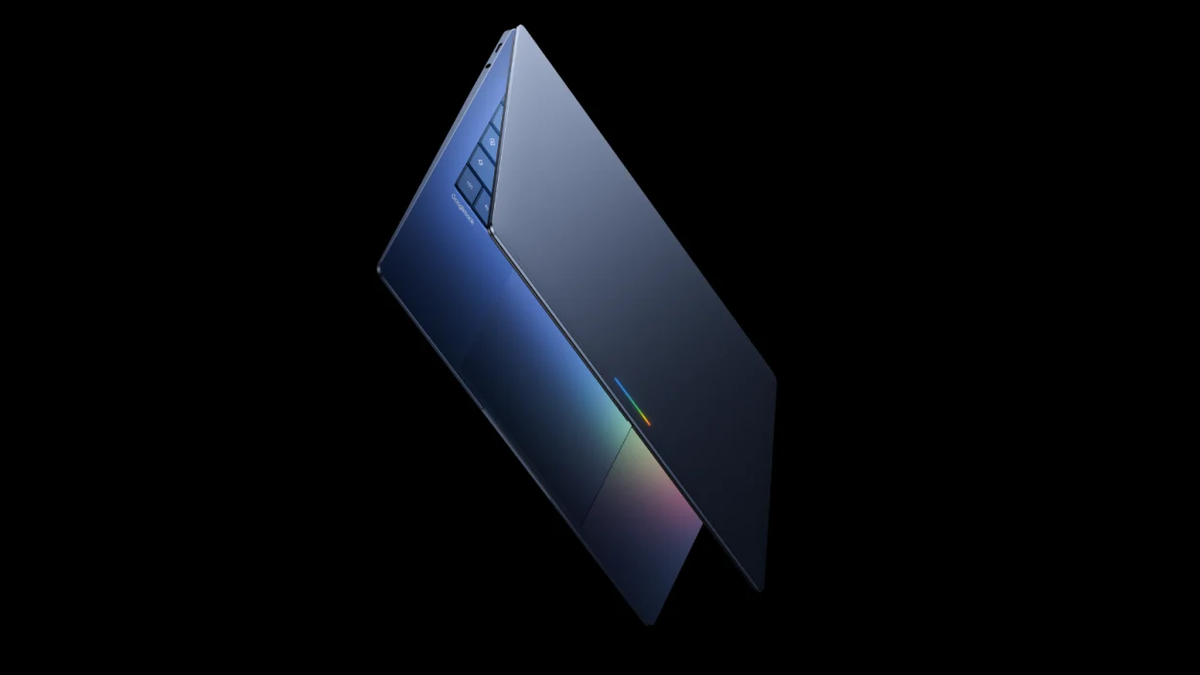
After weeks of Android 17 betas and just days after Google wrapped up its Android Show I/O Edition, the company is already gearing up for the bigger event: Google I/O 2026. The Android Show gave Android its own spotlight this year, teasing smarter Gemini-powered features, AI-first laptops called Googlebooks, and more ambitious “agentic AI” tools ahead of I/O itself.
Now, attention shifts to the main keynote on May 19, where Google is expected to go deeper into Gemini, Android XR, AI-powered Search, and the future of its wider ecosystem. And judging by the company’s recent direction, AI will once again dominate nearly every major announcement.
 Louis Eriakha
Gemini Will Likely Take Centre Stage
If there’s one thing almost guaranteed at I/O 2026, it’s a major Gemini update. Reports suggest Google is preparing a next-generation Gemini model that could become the backbone of nearly all its products, from Android and Workspace to Chrome and Search itself.
That matters because Gemini is no longer just Google’s chatbot. It’s becoming Google’s operating layer for AI experiences across devices. The company has already added notebook-based research tools, interactive visualisations, and deeper integrations into its ecosystem, while competitors like OpenAI continue pushing ChatGPT into more advanced assistant territory. I/O will likely be where Google tries to show that Gemini can move beyond simple prompts and become a more proactive AI assistant.
More Agentic AI Is Coming
Google also seems ready to lean harder into agentic AI, which basically means AI systems capable of taking actions for users with minimal input. During the Android Show, the company previewed an “intelligence system” that could handle tasks on your behalf, and I/O is expected to expand on that idea.
This could include Gemini navigating apps, editing content, managing tasks, or interacting across devices more autonomously. The timing makes sense, too, especially as the AI race shifts away from chatbots and toward assistants that can actively do things. Even rivals like OpenAI are reportedly exploring hardware and operating systems built around agentic AI experiences.
Android XR Glasses Could Finally Become Real Products
After teasing Android XR at previous events, Google may finally be ready to properly showcase its smart glasses strategy. The company has already confirmed its Android XR glasses are launching in 2026, and I/O could bring demos, hardware details, and possibly even release timing.
Google is reportedly working on two versions: a lightweight AI-focused pair with microphones and speakers for hands-free Gemini interaction, and a more advanced version featuring in-lens displays for things like navigation and live translation. Naturally, comparisons to Meta’s Ray-Ban smart glasses are unavoidable, especially as the wearable AI market becomes increasingly competitive.
At the same time, Google is expected to push Android XR itself as a platform for developers, giving creators more tools to build immersive apps and mixed-reality experiences.
AluminumOS and Googlebooks Could Be Google’s Big Laptop Push
One of the more surprising announcements during the Android Show was Googlebooks, a new AI-focused laptop platform running what appears to be a merged Android and ChromeOS operating system, reportedly called AluminumOS.
The idea seems to be creating a tighter connection between Android phones and laptops, similar to the ecosystem approach Apple has long pushed between iPhones and Macs. During the Android Show, Google demonstrated Android apps running natively on Googlebooks alongside AI-powered features like “Magic Pointer,” which can understand what’s on screen and help edit content using prompts.
I/O could finally reveal how serious Google is about turning AluminumOS into the future of its personal computing strategy.
Android 17 and AI Search Updates Are Still Expected
Even though Android 17 already had its moment during the Android Show, Google will probably revisit it during I/O, especially its growing AI integrations. So far, the update has focused more on refinement than major redesigns, with additions like app bubbles for floating multitasking and smarter notification management.
Beyond Android, Search may end up being one of the biggest stories of the event. Last year, AI Overviews and AI Mode completely changed how Google Search looked and behaved. This year, many expect Google to push those AI-powered experiences even further, potentially making conversational AI a more central part of Search itself.
That would be a huge shift, not just for users, but for publishers and websites increasingly worried about how AI-generated answers affect traffic and visibility online.
Louis Eriakha
Final Thoughts
Between Gemini upgrades, Android XR glasses, AluminumOS, and the future of AI-powered Search, Google I/O 2026 is shaping up to be another heavily AI-focused event, but this time with a clearer push toward practical, everyday use.
The Android Show already hinted at where Google wants its ecosystem to go. I/O is where the company now has to prove all those AI ambitions can actually work together in a way people will genuinely want to use.
Google I/O 2026 kicks off on May 19 at 10 a.m. PT and will be livestreamed through Google’s official I/O website and YouTube channel, with keynote sessions, demos, and developer talks expected across the two-day event. And if recent leaks and previews are anything to go by, this year’s keynote could end up being one of Google’s biggest AI showcases yet.
Louis Eriakha