



Xiaomi is taking its latest flagship smartphones global today, with a launch event at the Carrousel du Louvre in Paris. The Xiaomi 18 Pro and 18 Pro Max are making their international debut, bringing Leica-backed cameras, huge silicon-carbon batteries and a secondary rear display to markets outside China for the first time.
The choice of venue is a statement in itself. Xiaomi wants to compete directly with Apple and Samsung in the premium smartphone market, and it's putting its camera technology, battery capacity and distinctive design at the centre of that pitch.
The two phones take different approaches to flagship design. The Xiaomi 18 Pro is the more compact option, while the Pro Max offers a larger screen, a bigger battery and a more ambitious camera setup.
 Louis Eriakha
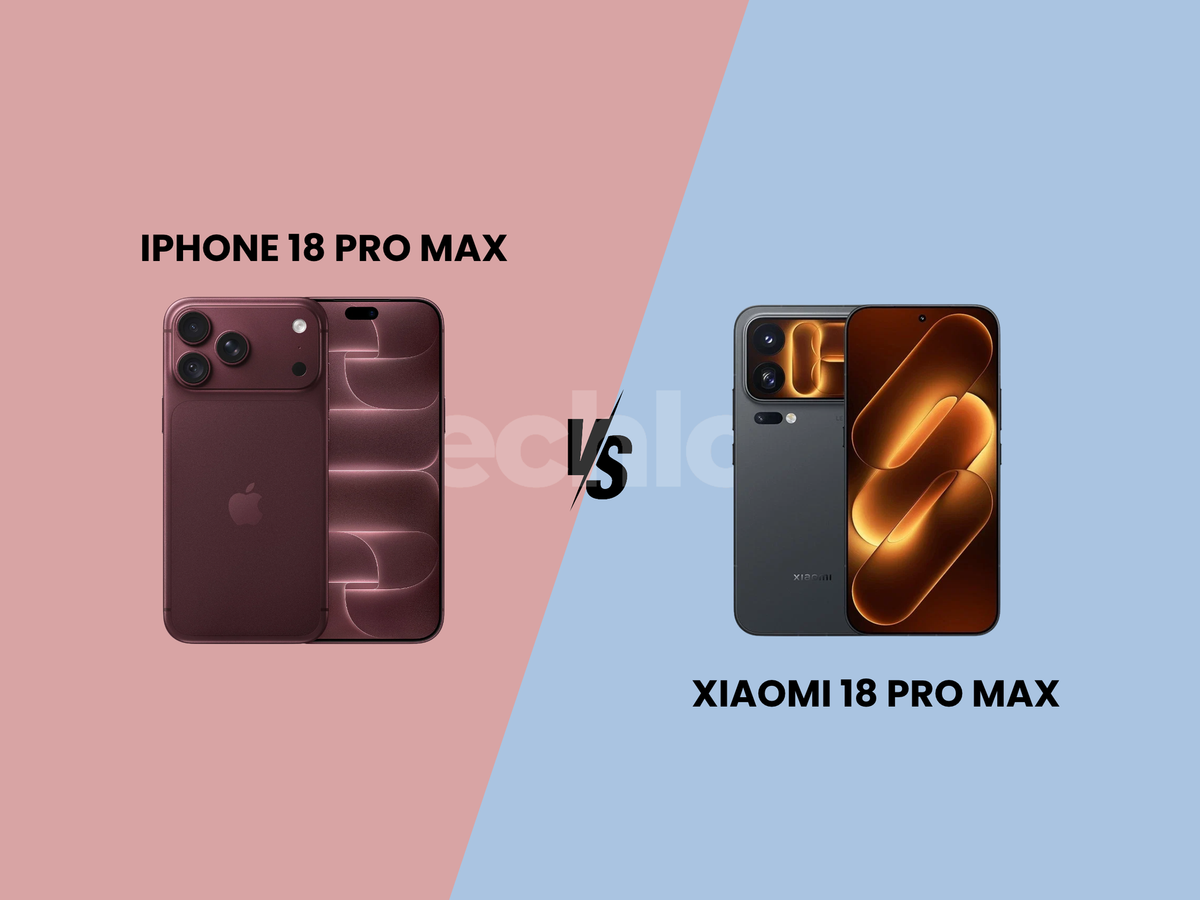
Xiaomi 18 Pro and Pro Max: Price and availability
The global launch took place in Paris on November 17. In Europe, the Xiaomi 18 Pro starts at €1,399 (~US$1,540) and the 18 Pro Max at €1,599 (~US$1,760), with availability and promotional offers varying by country.
Xiaomi is also offering additional purchase benefits in some markets, including promotional coupons, charging accessories and protective cases. Buyers should check their local Xiaomi store for the exact prices, configurations and pre-order conditions.
The company has not confirmed an official India launch date or pricing. Any expected Indian prices should therefore be treated as estimates until Xiaomi announces local availability.
Xiaomi 18 Pro vs 18 Pro Max: Key specifications
The Xiaomi 18 Pro has a 6.4-inch display and weighs just over 200 grams. It's a relatively compact flagship in a market increasingly dominated by larger phones.
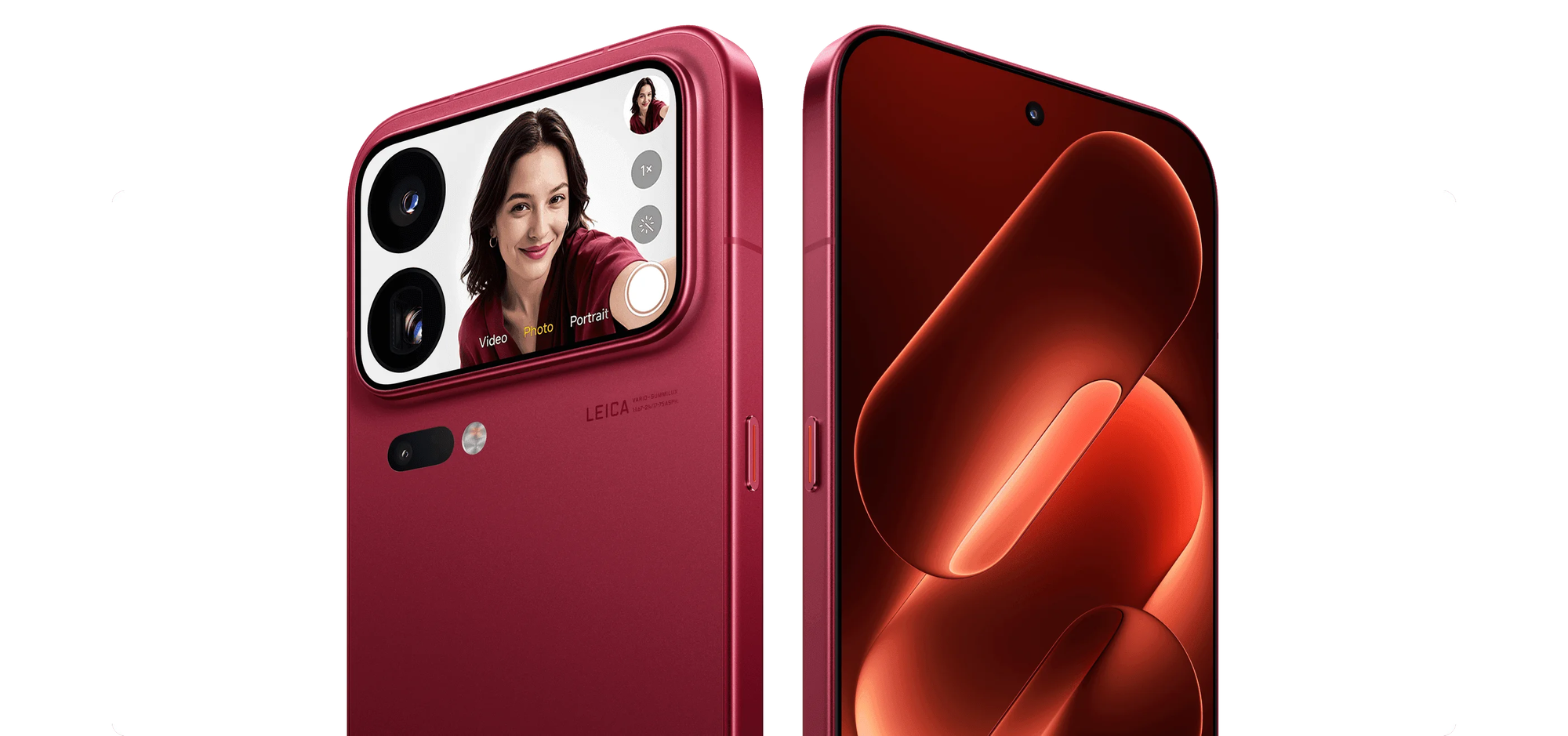
Its global version packs a 6,000mAh silicon-carbon battery, compared with the 7,000mAh battery in the Chinese model. The phone also uses Qualcomm’s Snapdragon 8 Elite Gen 6 and Xiaomi's Privacy Display technology, which limits visibility from side angles.
The Pro Max is the larger option, with a 6.9-inch LTPO AMOLED display, an adaptive refresh rate of up to 120Hz and peak brightness of 3,500 nits.
Its global battery capacity is 7,050mAh, down from 8,500mAh in China. It supports 100W wired and 50W wireless charging, giving it a substantial advantage over many conventional flagship phones when it comes to battery capacity.
The standard Pro gets the Snapdragon 8 Elite Gen 6, while the Pro Max uses the more powerful Extreme version.
Leica cameras and the rear display are Xiaomi's biggest selling points
Xiaomi is leaning heavily on its partnership with Leica. The 18 Pro features a dual-200MP camera system, combining a 200MP main sensor with a 200MP telephoto camera. Both use Leica Summilux optics.
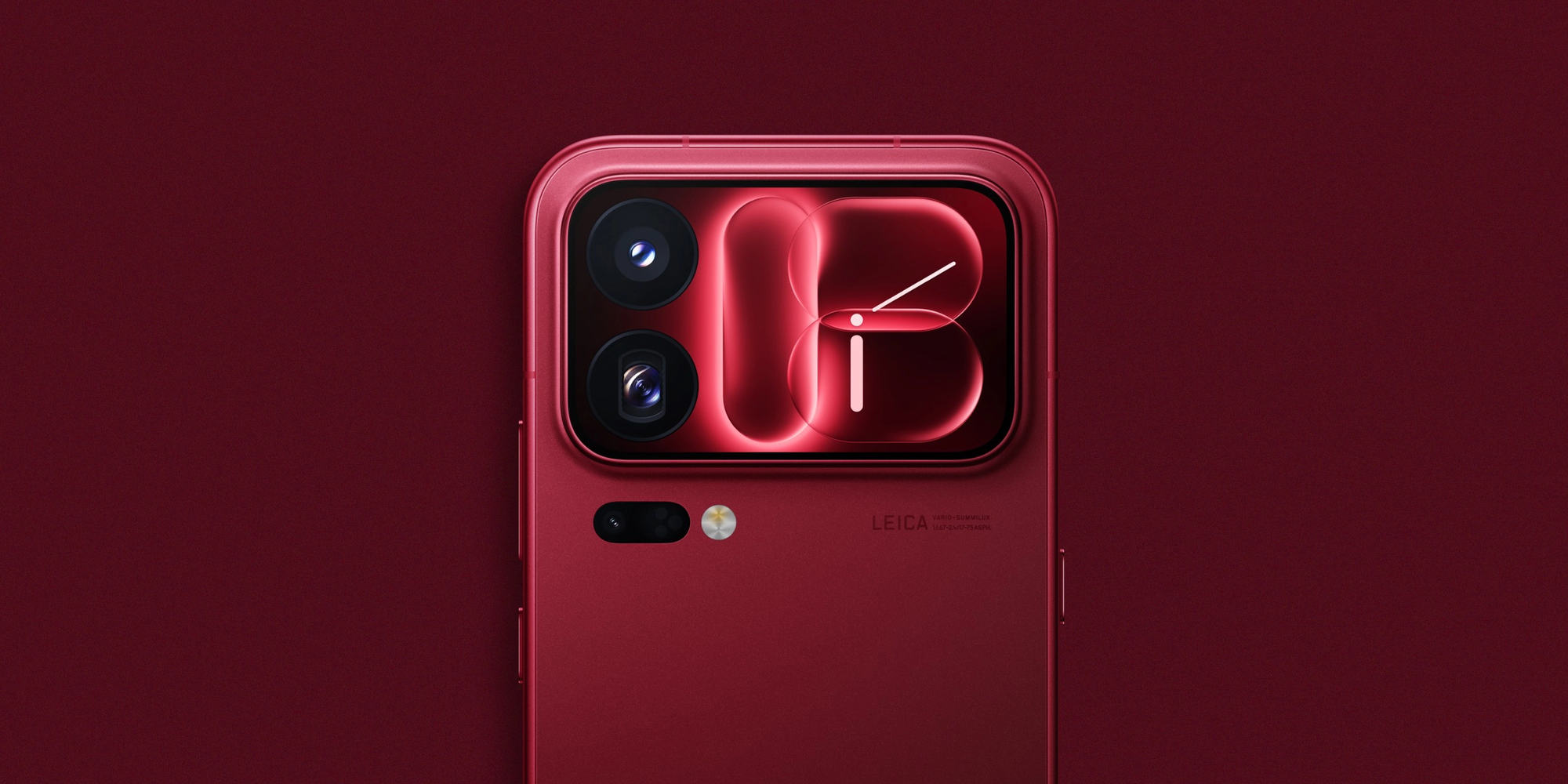
The Pro Max takes the camera experience further with a dedicated 150mm telephoto focal length. Xiaomi has also introduced a Leica Modern Vintage profile and an Essential Moment black-and-white film simulation for users who want a more distinctive look.
There's an AI Creativity Assistant built into the Gallery app, offering tools such as motion deblurring, reflection removal, and generative subject expansion. Xiaomi says these features work on-device, allowing users to edit images without uploading them to the cloud.
Both phones also feature an upgraded rear display. It can show notifications, reminders, and productivity tools, while offering additional camera controls. Users can personalise the screen with AI-generated wallpapers.
It's an interesting feature, although its usefulness will depend on how well Xiaomi integrates it into everyday phone use. For now, it gives the 18 Pro series something different to offer in an increasingly crowded flagship market.
Global Xiaomi 18 Pro models have smaller batteries than Chinese versions
One detail worth highlighting is the difference in battery capacity between the Chinese and global models.
The Chinese Xiaomi 18 Pro comes with a 7,000mAh battery, while its global counterpart has 6,000mAh. The Pro Max sees an even larger reduction, from 8,500mAh in China to 7,050mAh globally.
That's a reduction of roughly 14% for the Pro and 17% for the Pro Max. Xiaomi has not publicly explained the differences, so the reason behind the smaller global batteries remains unclear.
Even with the reductions, both models retain relatively large batteries for premium smartphones. However, buyers outside China are getting less capacity than the original versions advertised at launch.
 Ogbonda Chivumnovu
HyperOS 4 and Xiaomi's growing device ecosystem
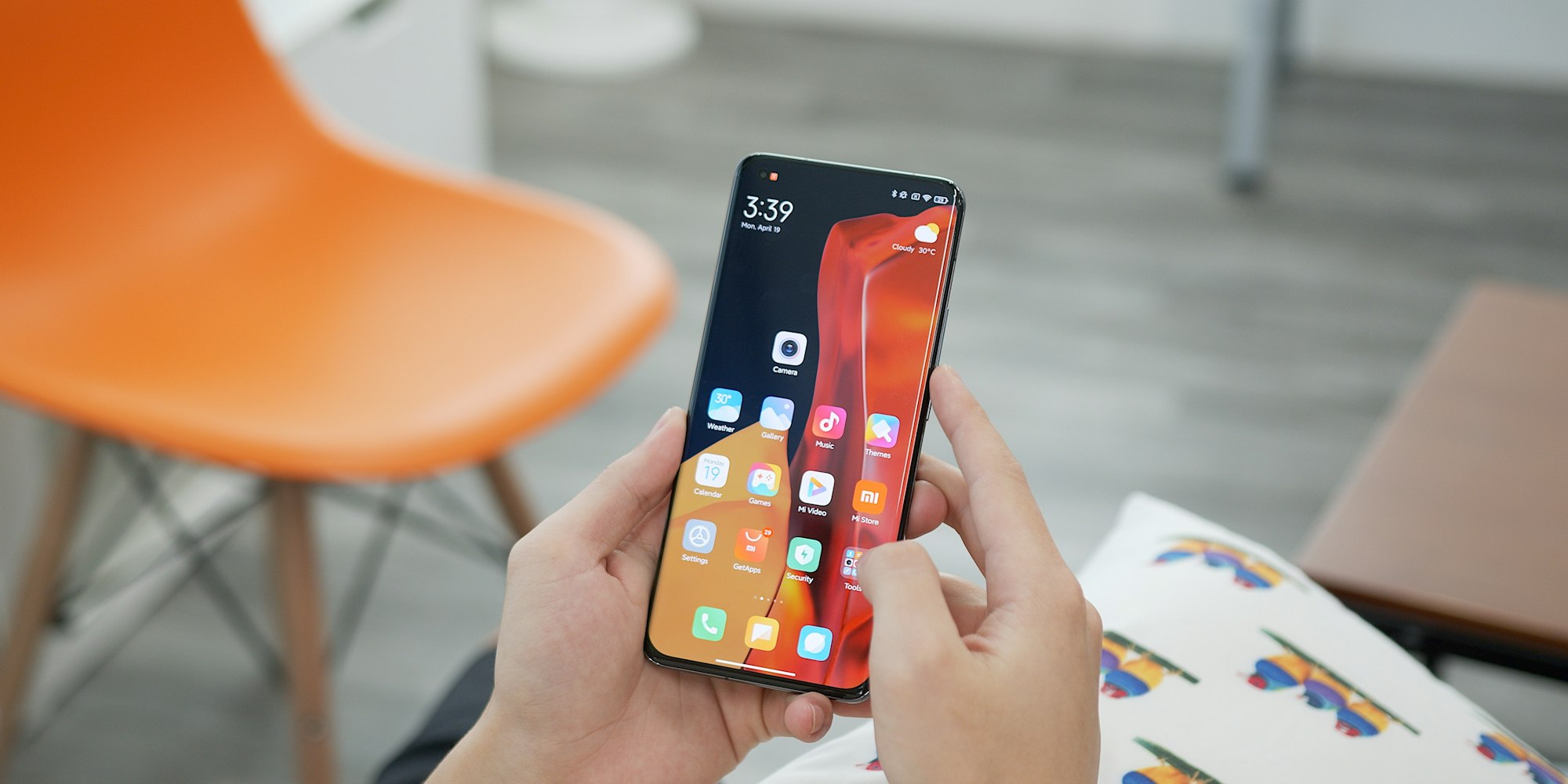
The Xiaomi 18 Pro series ships with HyperOS 4, which is also rolling out to devices across Xiaomi, Redmi and Poco.
The software brings Xiaomi's latest HyperAI features, interface updates and performance improvements. The company also introduced other products at the Paris event, including the Watch S5, Smart Band 11 and Clip open-ear earbuds.
It's part of Xiaomi's wider ecosystem strategy: get customers using its phones, wearables and accessories together rather than treating each product as a separate purchase.
Can Xiaomi compete with Apple and Samsung?
Subscribe for free to continue reading this article
Subscribe SubscribeAlready have an account? Log in