For the first time in decades, Apple is spending more than 10% of every dollar it makes on research and development. That might sound like an accounting footnote, but it’s actually one of the clearest signals yet that the company is quietly, but aggressively, repositioning itself for an AI-first future.
In its latest quarterly report, Apple revealed that R&D spending reached 10.3% of revenue in the March quarter. That’s up from 7.6% in the previous quarter and 9% a year ago. What makes this more striking is that revenue itself grew by 17% year-on-year, the fastest pace since 2021. Yet R&D grew almost twice as fast, jumping nearly 34% over the same period. In simple terms, Apple isn’t just growing, it’s choosing to pour a much larger share of that growth back into building whatever comes next.
On the earnings call, CEO Tim Cook didn’t try to downplay it. He openly acknowledged that R&D is now “accelerating much higher than the company is,” emphasising that Apple is investing heavily in new products and services. With Cook preparing to hand over the CEO role to longtime hardware chief John Ternus later this year, the timing feels deliberate. After years of being seen as cautious in the AI race, Apple appears to be stepping on the gas.
 Damilare Odedina
What’s interesting is where this money is likely going. Apple still lags far behind those same rivals in capital expenditure. While they are spending hundreds of billions on AI data centres, Apple’s capex over the past two quarters actually declined compared to last year. Instead, Apple seems to be betting on a different approach: on-device AI and tightly integrated hardware-software experiences powered by its own silicon.
That strategy is already visible in products like Siri and Apple Intelligence, both of which are expected to receive major updates later this year. Analysts believe much of the R&D growth is going into hiring AI talent, training internal models, designing custom chips for inference, and experimenting with new hardware form factors that make AI feel native rather than cloud-dependent.
At the same time, Apple is leaning on partnerships where it makes sense. The company recently confirmed that Google’s Gemini models will help power some upcoming AI features, a sign that Apple is balancing internal development with external collaboration while it builds out its own capabilities. Cook described that relationship as “going well,” but was characteristically vague about the bigger roadmap.
Financially, this all comes at an interesting moment. Apple’s earnings beat expectations, demand for iPhones and Macs remains strong, and CFO Kevan Parekh signalled that the company is relaxing its long-standing “net cash neutral” stance. That combination — stronger guidance, higher R&D, and a shift in cash strategy — has analysts speculating that something significant is brewing behind the scenes.
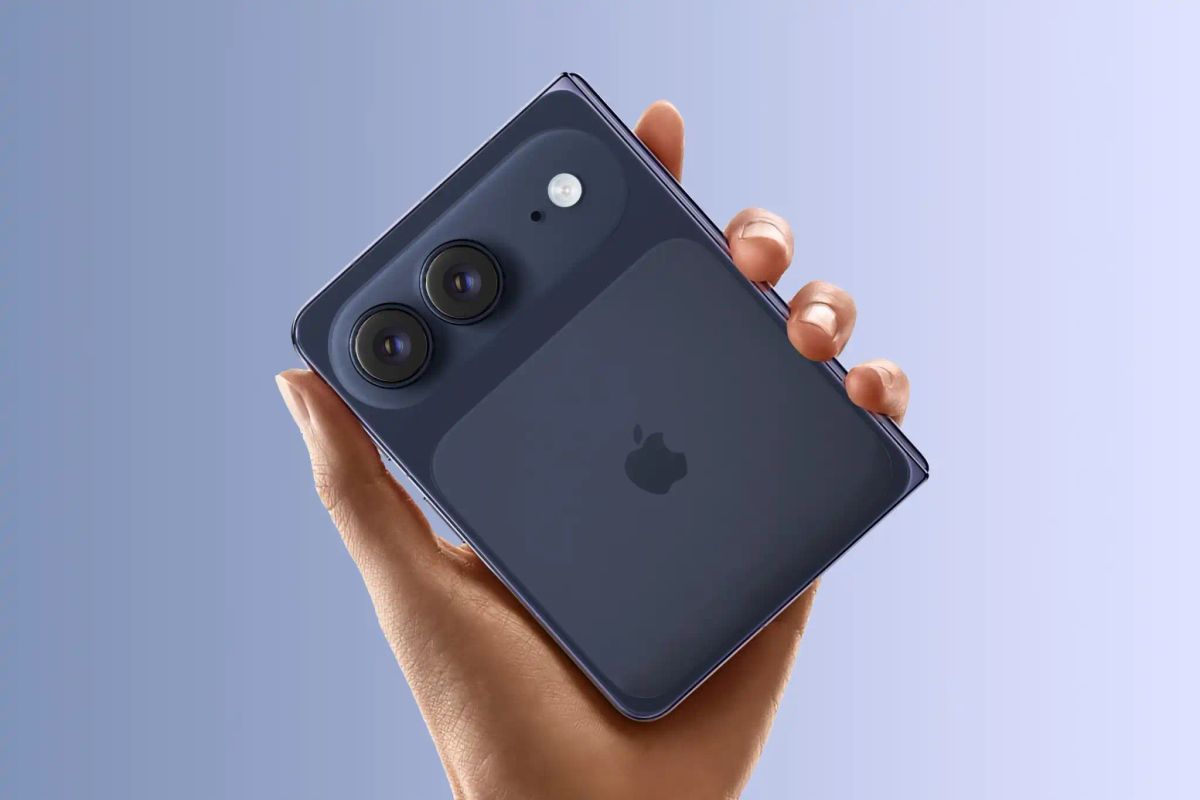
Investors are now looking ahead to Apple Worldwide Developers Conference in June and the fall product cycle, where Apple is expected to unveil a foldable iPhone and a more capable, AI-powered Siri. The big question is how quickly all this spending translates into visible products and, eventually, new revenue cycles.
Oluwajeminipe Fasheun-Motesho