Nvidia CEO Jensen Huang has rejected warnings from AI researchers and industry leaders that the rapid development of artificial intelligence could pose an existential threat to humanity, calling predictions that AI could destroy the world by 2030 “doomsday narratives.”
In an interview with CBS News aired Sunday, Huang said there is “0% chance” that 2030 will mark the end of the world and questioned the motives of AI leaders calling for greater government oversight of the industry.
“Go and read between the lines,” Huang said. “They’re actually not asking for more laws. They’re asking to be relieved of the laws we do have.”
“They must be doing it for ulterior reasons,” he added.
These comments come as the Nvidia boss thinks there may be more to what some leading AI executives are letting on about their calls to slow development, although he said he does not know what their motivations are.
 Kelechi Edeh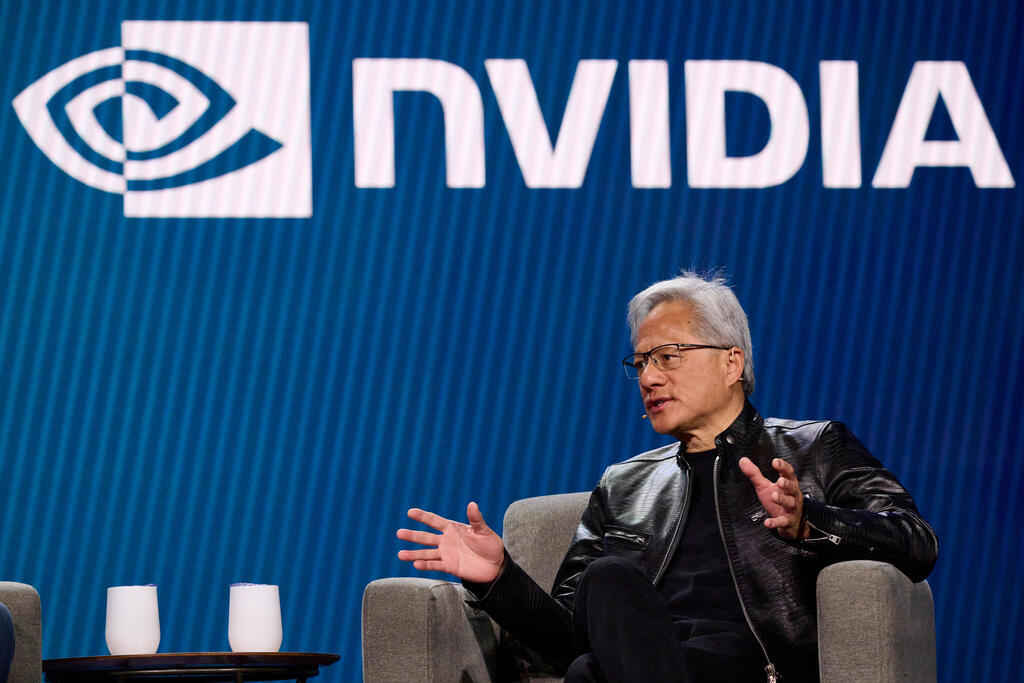
Why the AI slowdown debate is growing
Huang’s remark comes after a recent warning by former Anthropic researcher Jacob Coxon, who said the technology “could kill us all by the end of the decade.” His warning has added to calls within the AI industry for a slowdown in development, with several leading AI executives backing the need for greater caution.
In his nearly 4,000-word essay titled “We Must Pace the Frontier,” Anthropic CEO Dario Amodei said he had become convinced that the industry needs to “pace the frontier” to reduce the risks posed by increasingly capable AI systems.
The call has since gained attention in a rare moment of alignment, with OpenAI CEO Sam Altman backing the proposal and writing on X that he agreed with Amodei that “we need to pace the frontier.” OpenAI also said it would give third-party safety evaluators employee-level access to its systems, following a similar commitment from Anthropic.
Elon Musk also supported Amodei’s position, writing that “Dario is right.”
These calls for a slower pace of AI development come as concerns grow over what increasingly capable systems could mean for humanity, a prospect Huang has rejected.
Why Huang disagrees?
Huang described the more extreme predictions about AI as “not grounded in science” and said that “scaring people is unnecessary” and “irresponsible.”
Subscribe for free to continue reading this article
Subscribe SubscribeAlready have an account? Log in